








Communities Embrace Cultural Traditions in Lunar New Year Celebrations
Cities and towns worldwide are coming alive with the sights, sounds, and flavors of Lunar New Year celebrations, highlighting the richness of cultural traditions. Also known as the Spring Festival in China and Tet in Vietnam, the holiday marks the start of the lunar calendar and is a time for family reunions, honoring ancestors, and welcoming prosperity.
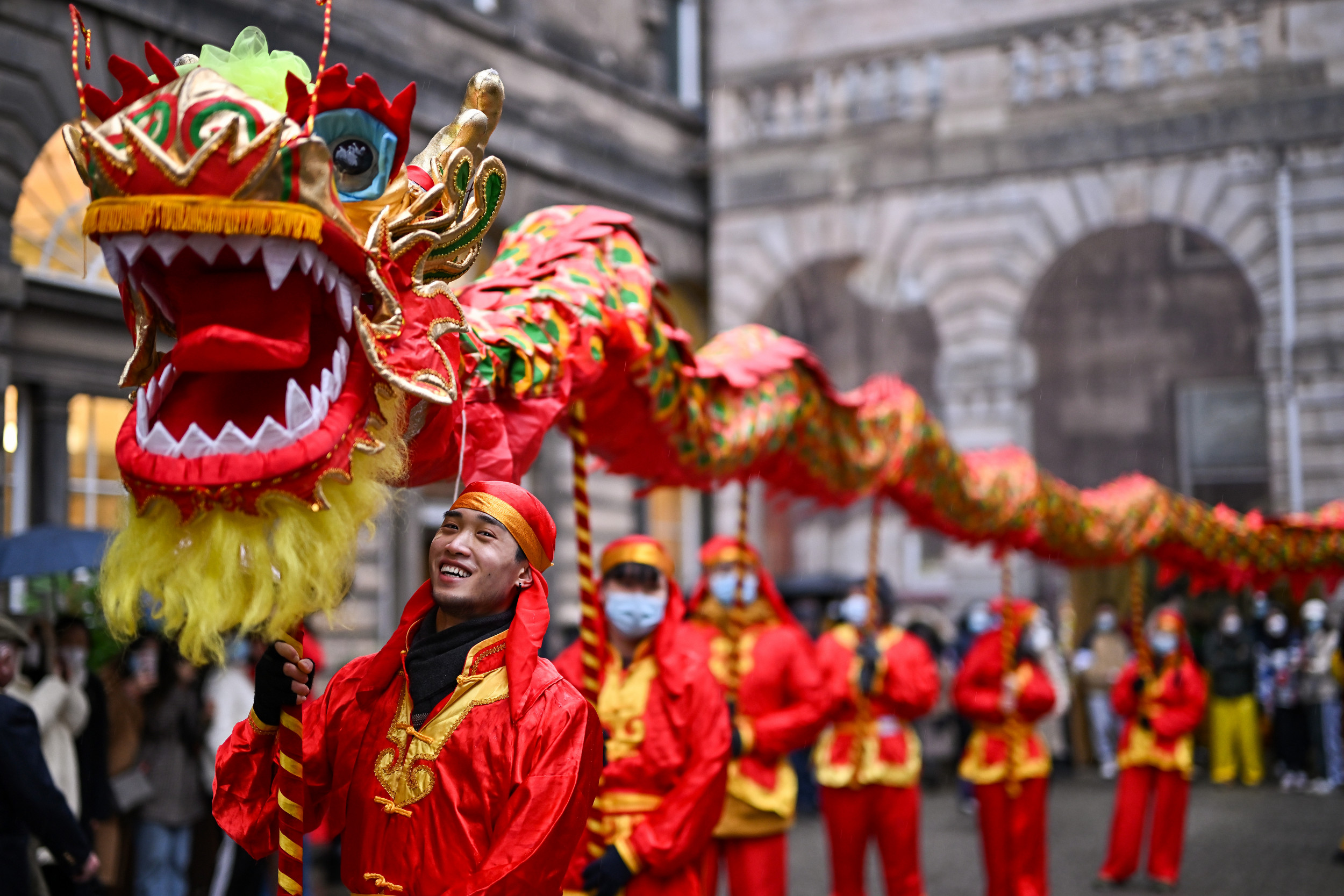
Streets are adorned with bright red lanterns, festive couplets, and intricate paper decorations. Red, symbolizing good luck and fortune, is prominently displayed. Traditional performances such as lion dances, dragon dances, and the crackle of firecrackers entertain crowds while warding off evil spirits and bringing blessings for the year ahead.
Food is central to the festivities. Families prepare special dishes with symbolic meanings: dumplings shaped like ancient silver ingots for wealth, sticky rice cakes for growth and progress, and fish to ensure abundance. Sharing these meals strengthens family bonds and reflects deep cultural respect for tradition.
Cultural shows, including folk music, dances, and theatrical performances, draw large audiences. Community fairs and parades feature calligraphy, handmade crafts, and games that allow younger generations to connect with their heritage. Modern adaptations, such as virtual gatherings and online red envelopes, help families separated by distance participate in the celebrations while keeping traditional values intact.
“Lunar New Year is a living celebration of culture,” says local cultural expert Mei Lin. “It’s about family, gratitude, and hoping for a prosperous year—values that remain meaningful regardless of modern changes.”
As communities unite in these cultural festivities, the Lunar New Year continues to be one of the most widely observed and cherished celebrations, reminding people everywhere of the importance of heritage, family, and optimism for the year to come.