










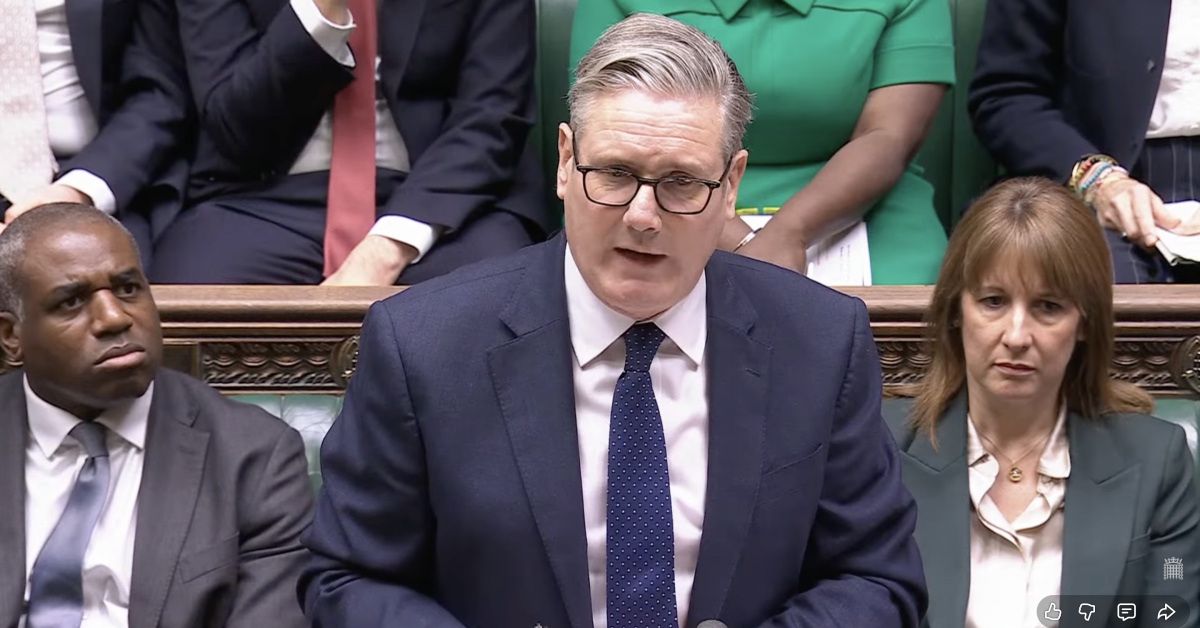
UK Political Debate Heats Up as Reform UK and Labour Clash Over Welfare Policy
London, United Kingdom — The political landscape in the United Kingdom has grown increasingly tense as Reform UK and the ruling Labour Party collided over welfare policy and economic strategy, sparking a fierce debate across Westminster. At the centre of the controversy is Reform UK’s decision to reinstate the two-child benefit cap, a policy previously abolished, which the party argues is essential for fiscal responsibility and long-term economic stability.
Robert Jenrick, speaking for Reform UK, emphasized that the reinstatement is intended to manage public spending effectively and ensure that welfare systems encourage self-sufficiency. “We must take steps to secure the future of our economy while making sure support reaches those who truly need it,” he said, framing the move as a necessary adjustment to safeguard taxpayers’ resources.
Labour leader Sir Keir Starmer responded sharply, describing the proposal as “shameful” and warning that it could push thousands of children into poverty. Starmer stressed that the government has a responsibility to protect vulnerable families, particularly during a period marked by rising living costs and economic uncertainty. He pledged that Labour would fight to maintain social protections and ensure that no family is left behind.
The clash has sparked a broader discussion on the balance between fiscal discipline and social welfare, drawing attention from citizens and political analysts alike. Labour officials warned that such policies risk undermining public trust and social cohesion, while supporters of Reform UK argue that careful management of benefits is critical to long-term economic health.
Political commentators note that the dispute highlights the wider ideological divide in British politics, as parties seek to appeal to voters concerned about economic security, welfare fairness, and responsible governance. With elections approaching, the debate over the two-child benefit cap is shaping up to be a defining issue, potentially influencing both public opinion and party strategies in the months ahead.
As the nation watches closely, the welfare debate underscores the ongoing tension between social support and fiscal management, reflecting the challenges faced by governments trying to balance economic responsibility with citizens’ needs. The outcome of this political confrontation could have lasting effects on policy direction and public trust in UK leadership.