










Experts Highlight Importance of Gut Health for Overall Well-being as New Research Emerges
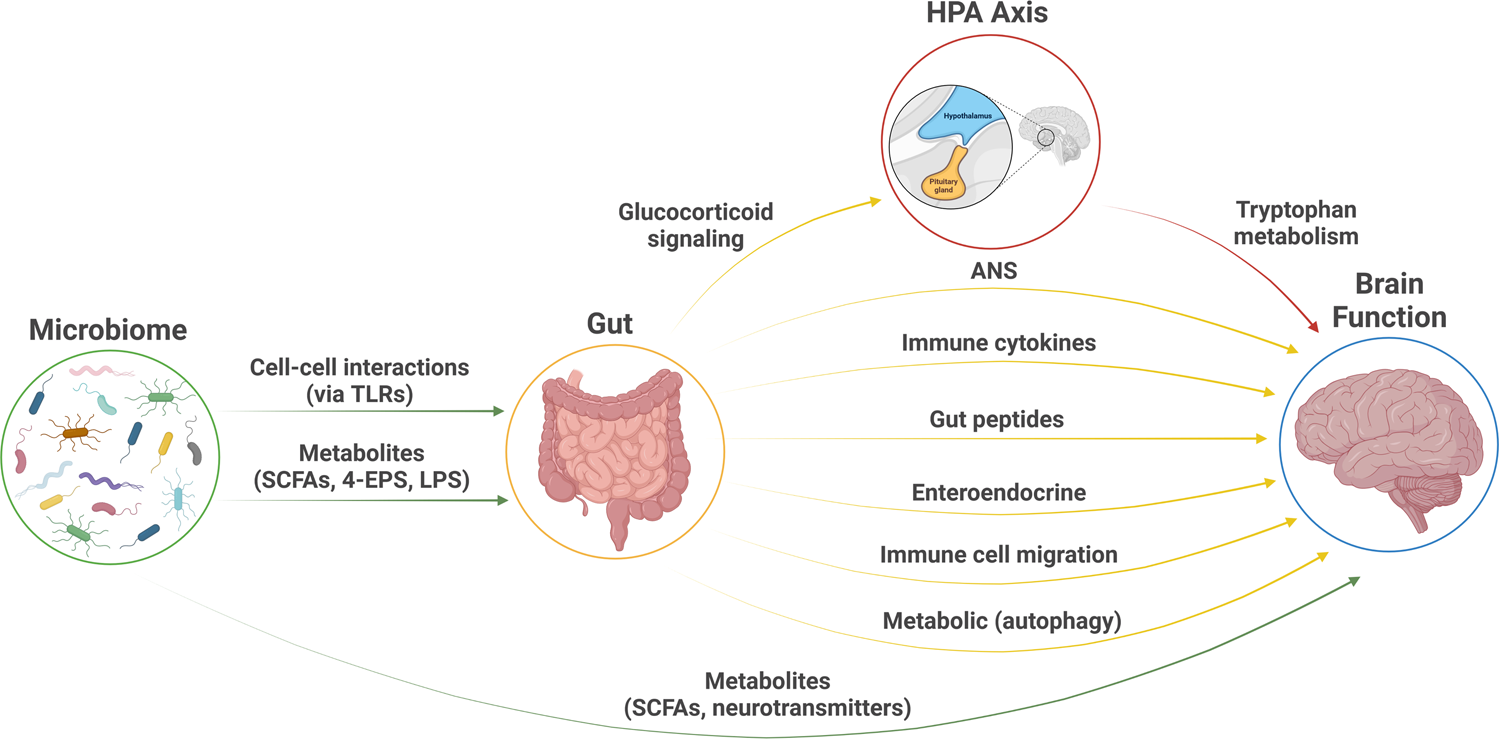
Recent scientific studies are shining a spotlight on the crucial role of gut health in overall well-being, linking the balance of bacteria in the digestive system to physical, mental, and immune health. Health experts emphasize that maintaining a healthy gut can influence everything from nutrient absorption and metabolism to mood regulation and disease prevention.
The human gut hosts trillions of microorganisms, including bacteria, viruses, and fungi, collectively known as the gut microbiome. Researchers have found that a diverse and balanced microbiome supports proper digestion, helps regulate blood sugar levels, and strengthens the immune system. Conversely, an imbalance, often referred to as dysbiosis, has been associated with conditions such as obesity, diabetes, inflammatory bowel disease, and even anxiety and depression.
Recent findings suggest that diet plays a central role in shaping the gut microbiome. Foods rich in fiber, such as fruits, vegetables, and whole grains, provide fuel for beneficial bacteria, while fermented foods like yogurt, kimchi, and kefir introduce live cultures that can enhance microbial diversity. Experts also advise limiting highly processed foods, excess sugar, and unnecessary antibiotics, which can disrupt gut bacteria and reduce overall microbial health.
In addition to dietary choices, lifestyle factors including stress management, regular exercise, and adequate sleep are emerging as critical for maintaining gut health. Studies indicate that chronic stress can alter the composition of gut bacteria, while moderate physical activity has a positive effect on microbial diversity. Sleep disruption, on the other hand, has been linked to imbalances in gut microbes, which may contribute to metabolic and immune disorders.
Health professionals increasingly view gut health as a cornerstone of preventive medicine, with ongoing research exploring the gut’s connection to conditions ranging from heart disease to autoimmune disorders. Some studies even suggest that personalized probiotics and prebiotic supplements could offer targeted support for maintaining a healthy gut ecosystem.
As awareness of gut health grows, experts encourage individuals to adopt a holistic approach that combines balanced nutrition, active living, and stress management. By prioritizing the gut microbiome, people may not only improve digestion but also enhance energy levels, immunity, and mental well-being. The emerging evidence underscores that taking care of the gut is no longer just about digestion — it is a key factor in overall health.