


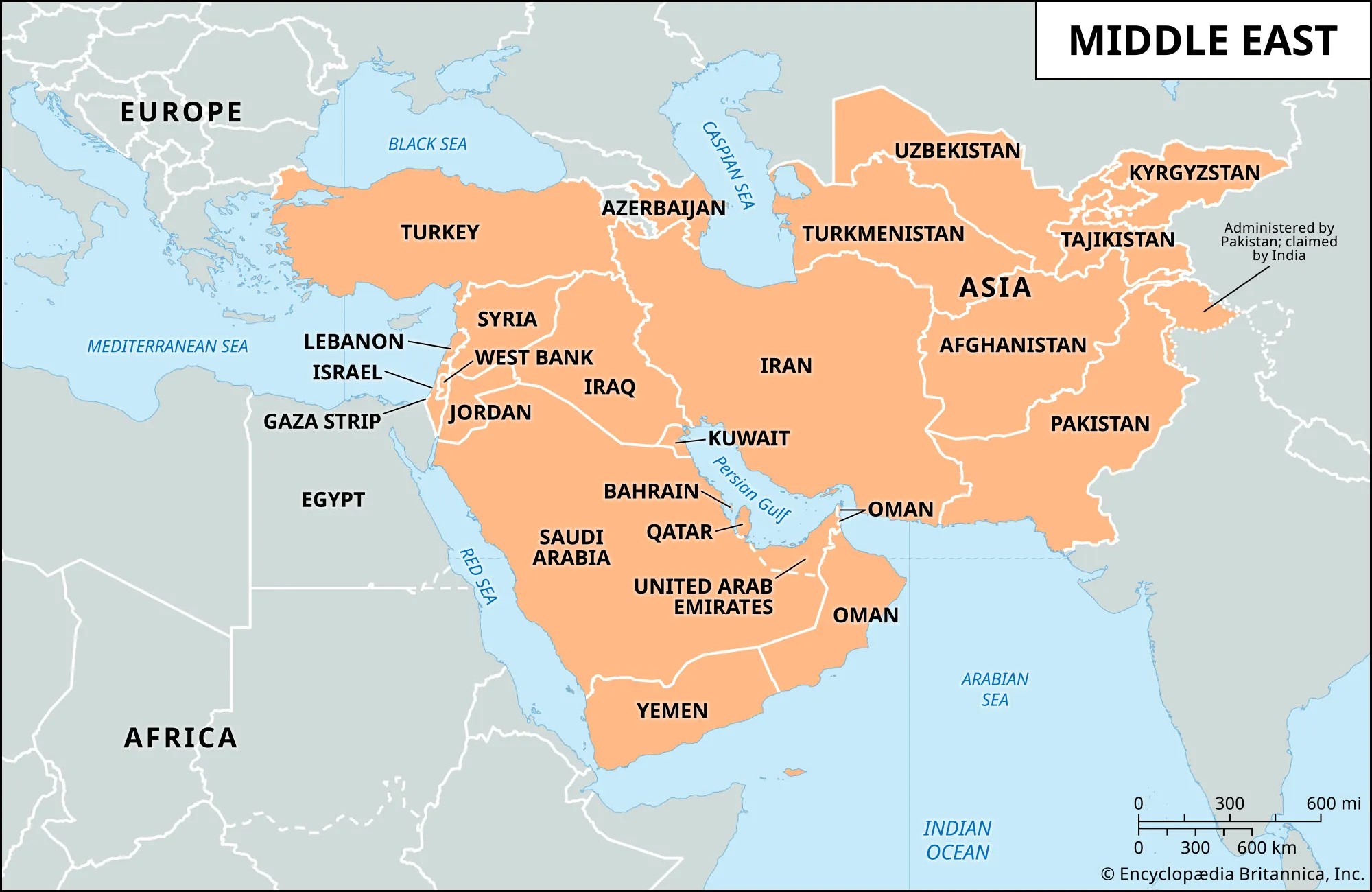
Middle East Diplomacy Intensifies as Global Leaders Increase Engagement
Global attention on the Middle East has intensified this week, as international leaders and diplomatic envoys focus on strengthening strategic partnerships, fostering regional stability, and addressing ongoing security challenges. Key developments in Israel, the Gulf, and neighboring countries have prompted governments around the world to increase their engagement, highlighting the region’s continued importance in global politics and economic strategy.
Recent reports indicate a surge in high-level diplomatic visits and consultations, with officials emphasizing cooperation on trade, energy security, counterterrorism, and conflict resolution. Strategic alliances are being reinforced as countries aim to navigate complex regional dynamics, including longstanding political disputes and emerging security threats. Analysts note that these efforts reflect a broader international understanding that stability in the Middle East is critical not only for regional prosperity but also for global economic and security interests.
In Israel, diplomatic delegations from multiple countries have been active in meetings with government representatives and regional stakeholders. Discussions have focused on security cooperation, economic collaboration, and addressing ongoing tensions in neighboring territories. Observers suggest that this wave of engagement underscores the strategic importance of Israel in broader regional diplomacy and highlights its role as a key partner for Western and regional powers alike.
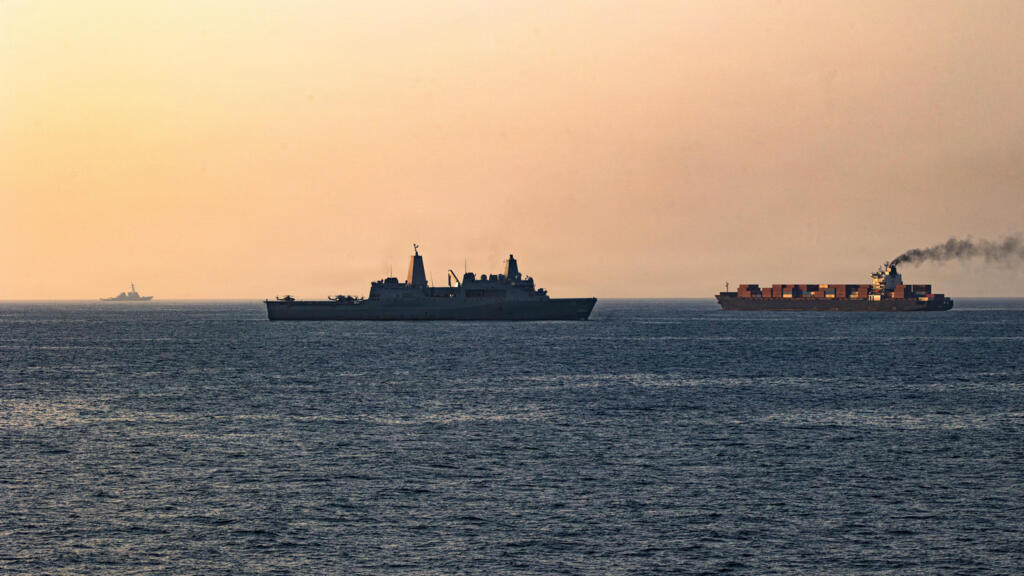
The Gulf region has also seen heightened international attention, with global actors prioritizing energy security, economic partnerships, and conflict prevention. Countries in the area are seeking to leverage diplomatic channels to facilitate dialogue, enhance investment, and ensure long-term stability, amid shifting geopolitical dynamics in the broader Middle East.
Experts emphasize that sustained engagement from international leaders is vital to managing both immediate and long-term challenges in the region. From mitigating the risk of armed conflict to fostering economic growth and social development, proactive diplomacy is increasingly seen as essential for regional and global security.
The growing international focus on Middle Eastern diplomacy demonstrates a recognition that collaboration and strategic dialogue are key to navigating a region marked by complex political landscapes and historical tensions. As world powers continue to prioritize engagement, the region’s future may hinge on the effectiveness of these diplomatic initiatives and the ability of leaders to balance competing interests while promoting stability, security, and prosperity.
This intensified diplomatic activity signals a pivotal moment in global politics, illustrating the Middle East’s central role in shaping international relations and highlighting the ongoing need for careful, coordinated leadership on the world stage.