









Asia Unites Online Against Racist Attacks Following Social Media Controversy
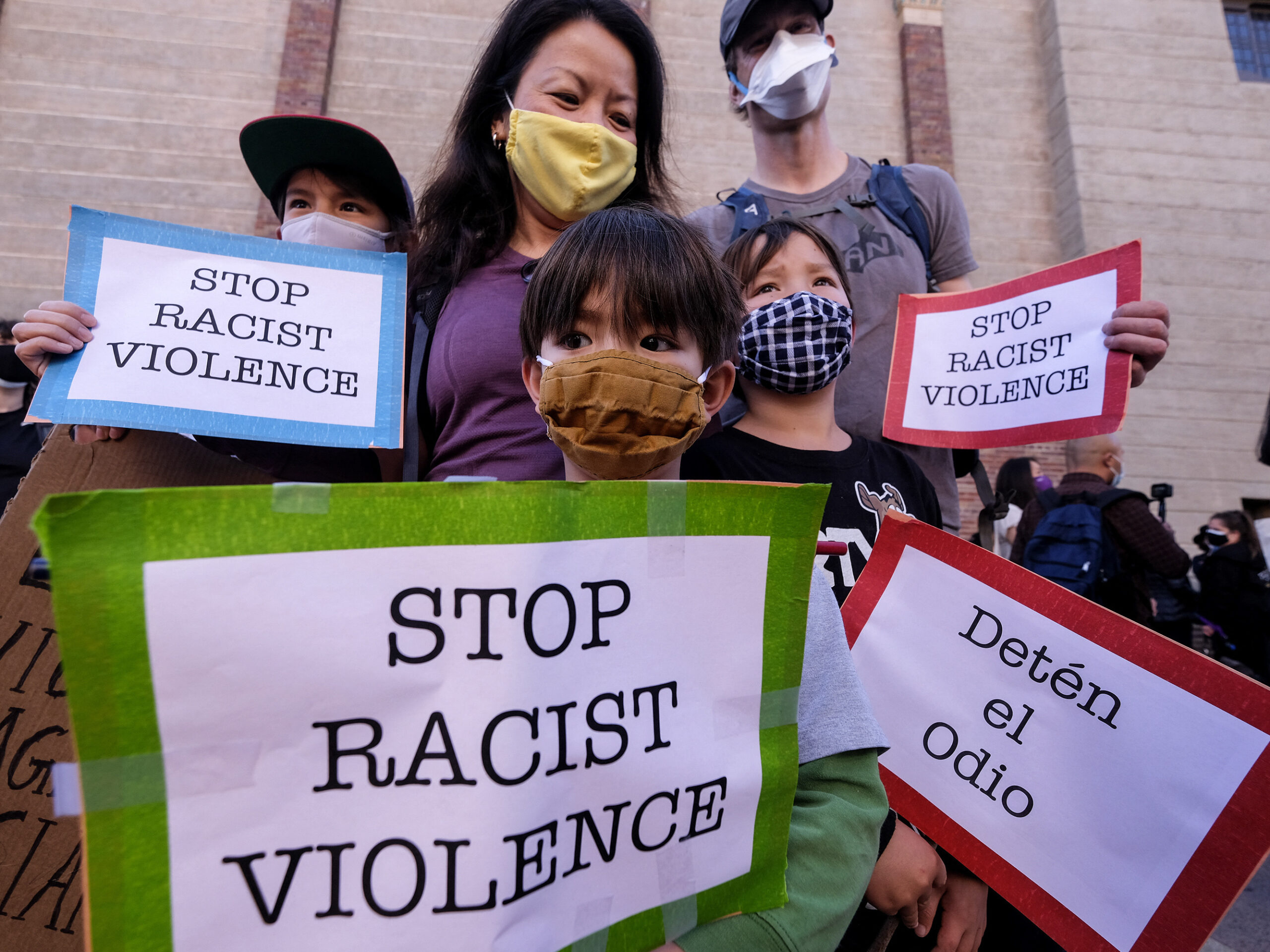
Across Asia, an unprecedented wave of online backlash has erupted following a series of racist attacks linked to South Korean netizens, highlighting the growing influence of digital activism in confronting discrimination. The incidents, which targeted individuals and communities in multiple countries, quickly gained attention on social media platforms, prompting users from across the region to respond with solidarity campaigns, public statements, and organized protests online.
The controversy began after offensive remarks and discriminatory memes appeared on major South Korean social media networks, aimed at Southeast Asian entertainers and influencers. Within hours, social media users from Indonesia, Malaysia, the Philippines, and Thailand began sharing messages of support for the victims while condemning the racist content. Hashtags promoting unity, respect, and anti-discrimination spread rapidly, trending across platforms and reaching millions of users.
Regional advocacy groups have praised the collective response, noting that this digital mobilization demonstrates the power of social media to challenge prejudice and raise awareness of human rights issues. “The response shows that communities across Asia are willing to stand together against racism, using online platforms to amplify their voices,” said a spokesperson from a prominent Southeast Asian human rights organization.
Governments and cultural institutions have also taken notice. Some ministries and local authorities issued statements condemning the attacks and emphasizing the importance of mutual respect and cross-cultural understanding. Educational institutions in the affected countries have launched campaigns promoting diversity, inclusion, and responsible social media use, seeking to prevent similar incidents in the future.
The backlash underscores broader societal concerns regarding digital ethics, online harassment, and the responsibility of social media platforms to moderate harmful content. Tech companies are reportedly reviewing the posts in question and taking action to enforce community standards, while discussions continue on how to ensure online spaces remain safe and respectful.
Experts suggest that the rapid, coordinated response from users across multiple countries represents a new model of regional digital activism. Unlike previous isolated incidents, this event has fostered cross-border solidarity, illustrating how online communities can play a pivotal role in shaping public discourse and influencing cultural norms.
As the online movement continues, it serves as a reminder of the growing importance of social media in Asia as a platform for advocacy, accountability, and collective action. While the racist incidents themselves sparked outrage, the widespread regional response demonstrates the potential for digital platforms to unite communities in standing against discrimination, promoting understanding, and fostering a more inclusive online environment.