










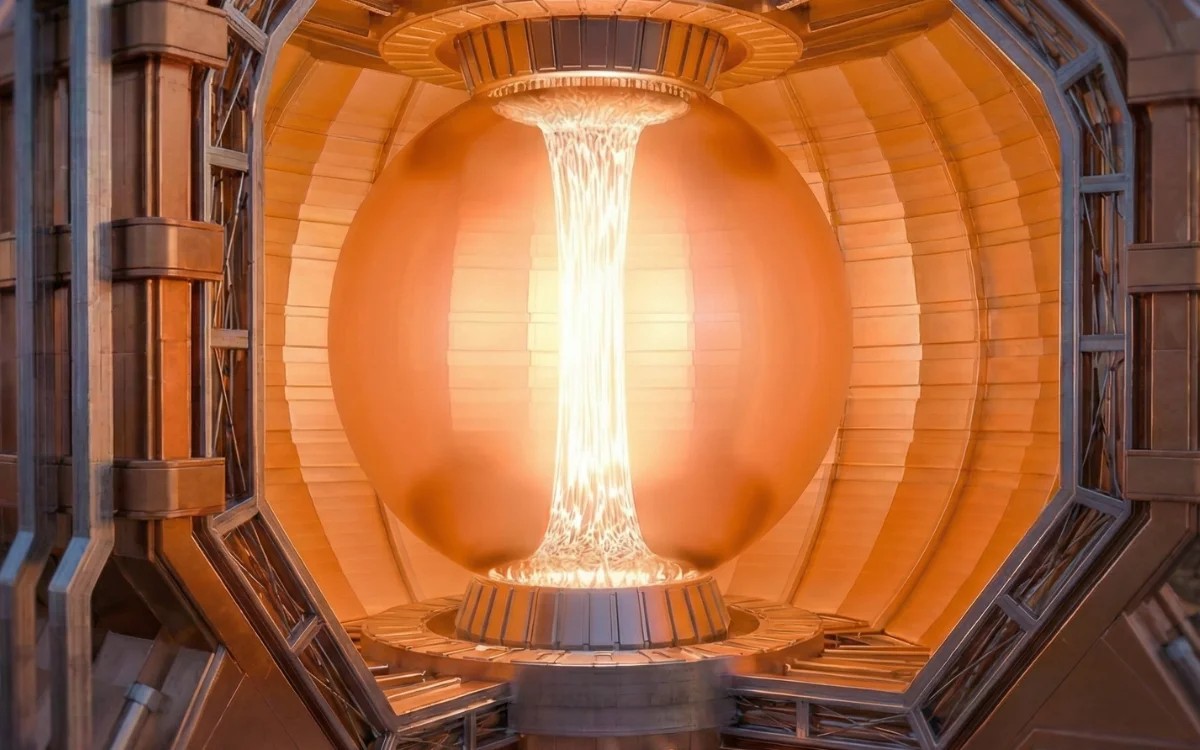
Bill Gates Backs “Artificial Sun” Project to Revolutionize Global Energy
Bill Gates is investing in a groundbreaking energy initiative that could reshape the world’s energy future. The billionaire philanthropist is supporting a nuclear fusion project aimed at building an experimental reactor capable of generating energy by mimicking the processes that power the Sun. Dubbed an “artificial sun” by scientists and media alike, the project is drawing global attention for its potential to deliver nearly limitless, clean energy.
The experimental reactor, planned for a former coal plant site in Tennessee, will use a design known as a stellarator to contain superheated plasma at temperatures exceeding tens of millions of degrees Celsius. These extreme conditions replicate the core of the Sun, allowing controlled fusion reactions that release vast amounts of energy without producing greenhouse gases or long-lived radioactive waste.
Bill Gates, who has long championed innovation in clean energy, is funding the venture through his investment network, emphasizing the urgent need for alternative energy sources to combat climate change and meet global power demands. The company behind the project has stated that the first demonstration reactor could be operational by 2029, marking a significant step toward commercial fusion power.
Experts are cautiously optimistic. “If successful, this technology could fundamentally change how the world produces energy,” said an energy researcher familiar with the project. “It offers the promise of a nearly unlimited, clean power source that does not rely on fossil fuels.”
The announcement has already sparked excitement in both the scientific and business communities. Investors see potential for a new wave of energy innovation, while policymakers are closely monitoring the project for its implications on global energy security and sustainability.
While the term “artificial sun” evokes dramatic imagery, scientists stress that the reactor poses no risk of creating a literal sun or any uncontrolled explosion. The project remains firmly experimental, with a focus on achieving stable, controlled fusion to provide safe and reliable energy.
As global energy demands rise and climate concerns mount, Bill Gates’ support for nuclear fusion highlights the growing interest in high-tech solutions capable of meeting humanity’s power needs while reducing environmental impact. The coming years will determine whether this ambitious venture can turn the dream of an artificial sun into a viable source of clean energy.