










Health Alert: Johns Hopkins Study Reveals Gender Gap in Early Lyme Disease Detection
A recent study conducted by researchers at Johns Hopkins Medicine has revealed significant differences in how early Lyme disease presents in male and female patients, raising concerns over delayed or missed diagnoses and highlighting the importance of gender-aware healthcare practices. The findings, published in a leading medical journal, suggest that standard testing and symptom assessment may not fully account for variations between men and women, potentially affecting patient outcomes.
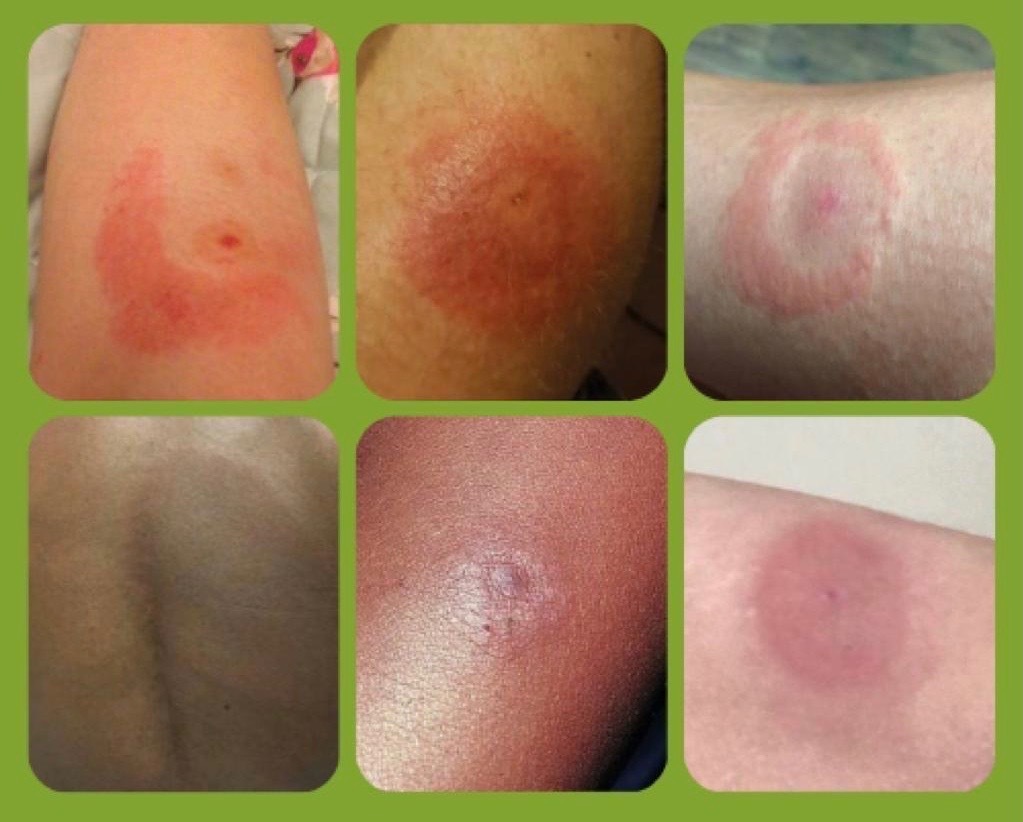
Lyme disease, caused by the bacterium Borrelia burgdorferi and transmitted through tick bites, can lead to serious complications if not detected early. Symptoms such as fever, fatigue, and the characteristic bullseye rash may appear differently or less prominently depending on a patient’s gender, according to the study. Researchers found that women were more likely to present with subtle or atypical early symptoms, which can be easily overlooked by both patients and healthcare providers.
Lead investigator Dr. Sarah Thompson explained that the research underscores the need for clinicians to consider gender differences when evaluating patients for Lyme disease. “Our study shows that women may not always exhibit the classic signs, which means relying solely on traditional symptom checklists could delay diagnosis and treatment,” she said. Early detection is critical, as untreated Lyme disease can progress to neurological, cardiac, or joint complications, increasing the burden on patients and healthcare systems.
The study analyzed data from thousands of patient records across the United States, comparing symptom onset, laboratory results, and treatment outcomes between men and women. Researchers noted that gender disparities were especially pronounced in the first few weeks of infection, a critical window for effective antibiotic therapy.
Medical experts suggest that public awareness campaigns, updated clinical guidelines, and more sensitive diagnostic tools are necessary to reduce these gaps. “Patients and doctors alike should be aware that Lyme disease doesn’t always follow a predictable pattern,” said Dr. Thompson. “Understanding gender differences can save lives and prevent long-term health issues.”
Health authorities emphasize that prevention remains key. Avoiding tick-infested areas, wearing protective clothing, and performing thorough tick checks after outdoor activities are crucial steps in reducing infection risk. Early consultation with healthcare providers is essential for anyone who suspects exposure, particularly if symptoms differ from textbook descriptions.
The Johns Hopkins study adds to growing research showing that gender differences can impact disease detection and treatment across a variety of conditions, reinforcing the broader importance of personalized and inclusive approaches in modern healthcare.