







Asian Firms Warn Trump Tariff Ruling Brings Business Uncertainty
Despite a recent US Supreme Court ruling that invalidated a key component of former President Donald Trump’s tariff regime, many Asian firms remain cautious, saying the decision brings little immediate benefit. The ruling struck down the use of the International Emergency Economic Powers Act to impose broad peacetime tariffs, but Trump quickly announced plans for a new global tariff of up to 15 percent. This has left exporters and manufacturers across Asia uncertain about costs, market access, and long-term planning.
Business leaders report that constant shifts in US trade policy are affecting investment decisions and forcing companies to rethink strategies. A Singapore-based wellness brand said its expansion plans into the US market were delayed as firms try to navigate unpredictable tariffs. Similarly, exporters in Thailand and other Southeast Asian nations reported renegotiated or canceled orders, highlighting the ripple effects on regional trade. Many companies say they are having to reconsider pricing, production schedules, and supplier arrangements in response to the changing rules.
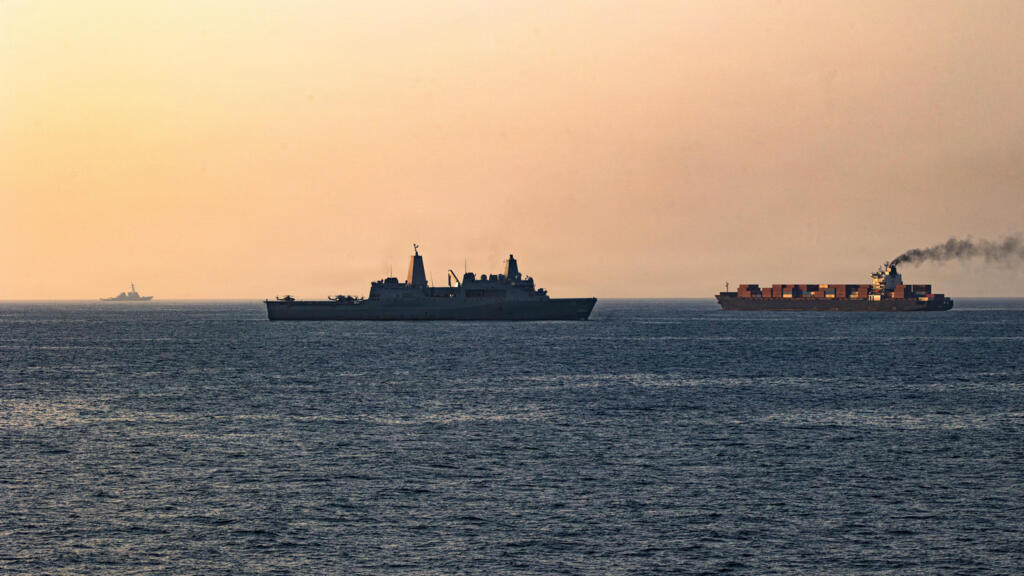
Supply chain managers also face challenges. Logistics firms note that tariff uncertainty complicates shipping schedules, pricing, and contract negotiations, creating additional operational burdens. Some firms have begun diversifying suppliers and exploring alternative routes to minimize potential disruptions. Analysts suggest that while headline tariff rates may be lower than previous Trump-era proposals, the lack of predictability poses a bigger threat to business confidence than the rates themselves.
Companies are now prioritizing efficiency and exploring alternative markets in Southeast Asia, the Middle East, and other regions to reduce reliance on the US. Firms are also focusing on cost optimization and risk management to maintain competitiveness while facing an uncertain trade environment. The unpredictability is forcing some businesses to delay expansion plans or rethink long-term strategies, which could have broader consequences for regional growth.
While the US remains a key export destination, firms stress that persistent uncertainty in trade policy could undermine growth, investment, and stability across Asia. Industry experts say that unless trade rules are clarified and stabilized, businesses will continue to face challenges in planning for the future. Many Asian companies are now adapting by diversifying supply chains, seeking new markets, and building flexibility into operations, aiming to safeguard their interests amid ongoing geopolitical and economic uncertainty.