










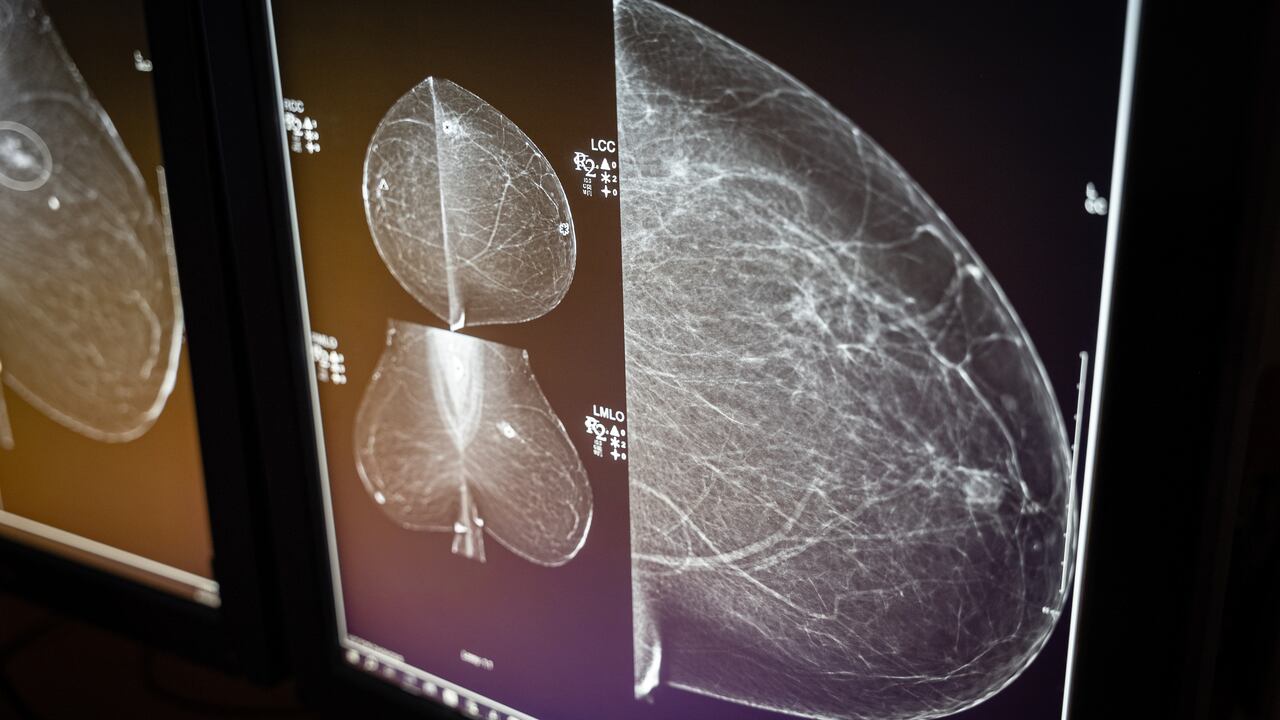
AI Tool Shows Promise in Boosting Early Detection of Breast Cancer
A new study has found that artificial intelligence (AI) could play a major role in improving the early detection of breast cancer, offering hope for more effective screening and better patient outcomes. Researchers report that AI-powered analysis of mammograms can identify signs of cancer with higher accuracy than traditional methods, potentially catching tumors earlier when they are more treatable.
The study, conducted in Sweden, involved thousands of women participating in routine breast cancer screening programs. AI systems were trained on large datasets of mammography images to recognize subtle patterns that may indicate malignancy. Results showed that AI-assisted screening improved detection rates while also reducing false positives, meaning fewer women underwent unnecessary follow-up procedures.
Healthcare professionals say this technology could help address a critical challenge in breast cancer care: the heavy reliance on radiologists to manually interpret mammograms. By supporting doctors with AI analysis, clinics can increase efficiency, reduce workload, and focus attention on the most high-risk cases. Dr. Anna Lindström, one of the study’s lead researchers, emphasized that AI is not intended to replace clinicians but to act as a valuable tool in the screening process.
The potential impact of AI in early cancer detection is significant. Early diagnosis greatly increases the chances of successful treatment and survival, making improved screening methods a key priority for public health authorities. Countries with large screening programs could benefit from AI integration by improving accuracy and lowering costs associated with repeated tests and unnecessary procedures.
Experts caution that while AI shows great promise, implementation requires careful planning. Systems must be validated across different populations and healthcare settings, and ethical considerations such as patient privacy and data security need to be addressed. Additionally, training and support for clinicians are essential to ensure AI is used effectively and safely in routine practice.
The study’s findings contribute to a growing body of research demonstrating the potential of AI in healthcare, particularly in radiology and oncology. As technology advances, the combination of human expertise and AI analysis may become a standard approach in breast cancer screening, providing earlier diagnosis, better treatment outcomes, and reduced stress for patients.
With breast cancer remaining one of the most common cancers worldwide, innovations like AI-assisted screening could play a pivotal role in saving lives and improving the efficiency of healthcare systems.