





Asia’s Power Play: Rising Conflicts and Shifting Alliances Rewrite the Future
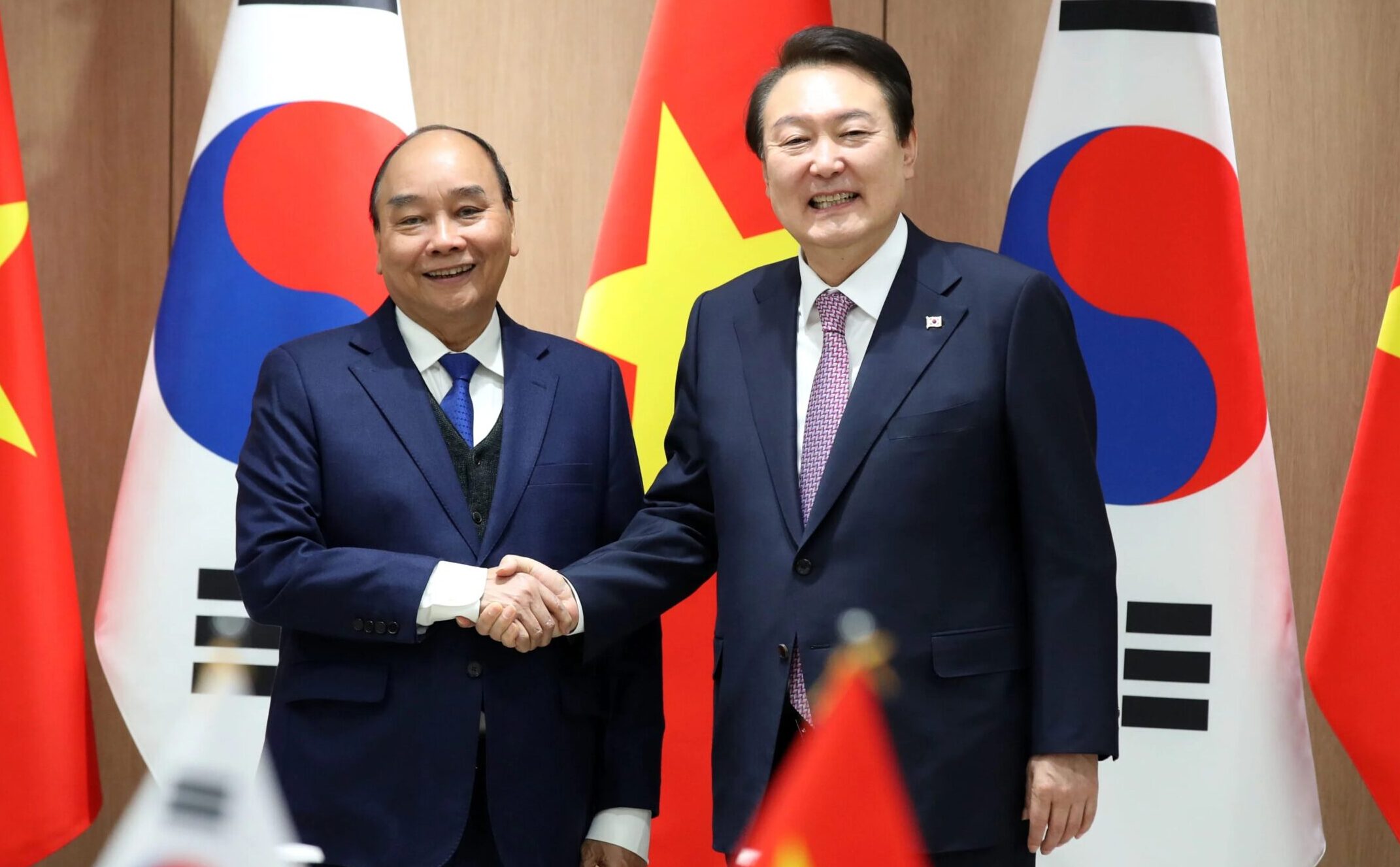
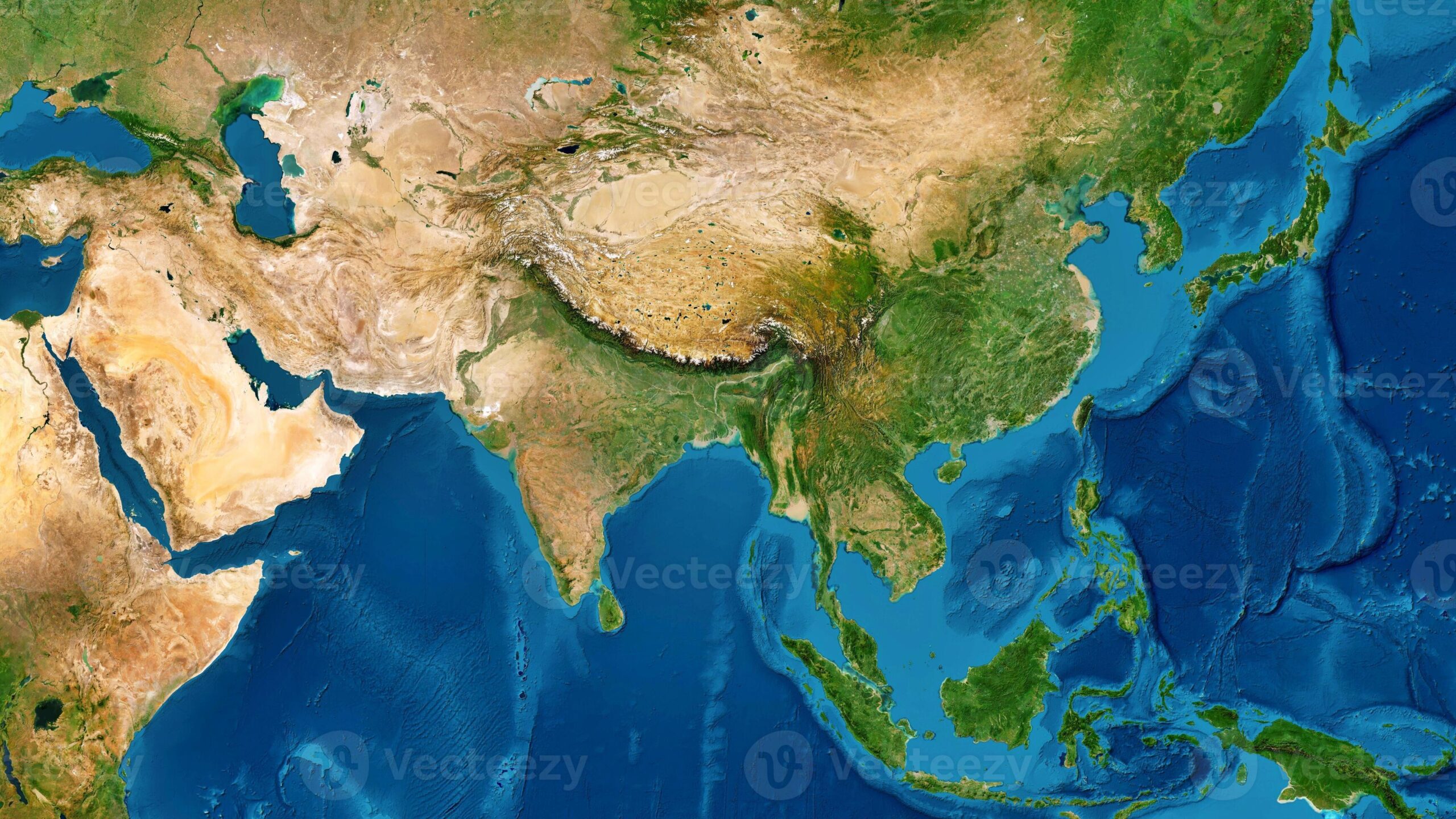
Asia is increasingly becoming the center of global geopolitics, with shifting alliances and emerging power structures that have the potential to reshape international relations in the coming decades. From the ongoing tensions in the South China Sea to strengthening ties between Asian powers and the West, the region’s political landscape is undergoing significant changes, presenting both challenges and opportunities for the world.
One of the most notable shifts in Asia’s international relations has been the growing influence of China. Under President Xi Jinping, China has been asserting its presence more aggressively on the global stage, particularly in Asia. Its Belt and Road Initiative (BRI) has seen China invest billions of dollars in infrastructure projects across South Asia, Southeast Asia, and beyond. This ambitious plan has strengthened China’s influence, but it has also raised concerns among rival nations, particularly the United States, India, and Japan, about the long-term implications of China’s expanding economic footprint.
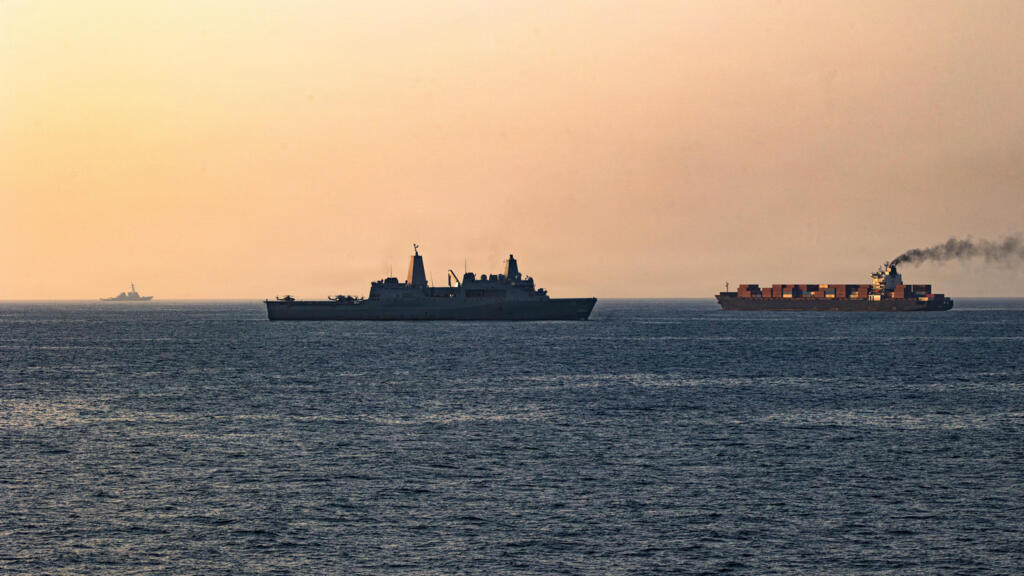
In response to China’s rising influence, the Quad alliance, comprising the United States, Japan, India, and Australia, has gained momentum. The Quad has been strengthening its cooperation in areas ranging from defense and security to technology and trade. The alliance, while not a formal military pact, has become a counterbalance to China’s growing assertiveness in the Indo-Pacific. The recent Quad summit in Tokyo underscored the members’ commitment to ensuring a free and open Indo-Pacific, with a strong emphasis on maintaining stability in the South China Sea, where China’s territorial claims have sparked disputes with several Southeast Asian nations.
Meanwhile, India, traditionally non-aligned in its foreign policy, has been moving closer to both the United States and other regional powers. The strategic partnership between India and the U.S. has deepened over the years, especially in defense and technology sectors. India’s growing role in regional security, as well as its position as the world’s largest democracy, gives it a unique standing in Asia’s shifting power dynamics. However, India’s delicate balancing act with China remains a key challenge, as the two countries have been involved in border skirmishes in recent years.
On the other side of the spectrum, North Korea’s nuclear ambitions continue to be a source of tension in East Asia. Despite intermittent diplomatic efforts, the international community remains divided over how to address North Korea’s provocative actions. While some countries, including South Korea and Japan, advocate for stricter sanctions, others, like China and Russia, call for dialogue and engagement with the regime. The future of the Korean Peninsula remains uncertain, with the possibility of both conflict and diplomacy on the horizon.
In Southeast Asia, nations like Vietnam and Indonesia are striving to maintain a neutral stance while navigating the pressures of being caught between the growing influence of China and the strategic interests of the United States. These countries are increasingly playing a key role in shaping the region’s diplomatic relations, with many prioritizing economic cooperation and trade agreements.
As Asia’s geopolitical landscape evolves, the region is expected to continue to play a central role in global power dynamics. The strategic choices made by Asian countries will have far-reaching implications not just for the region, but for the entire world order. With the rise of new alliances, the future of international relations in Asia remains in flux, presenting both opportunities and risks for global stability.