





Storm Over Westminster: Starmer Under Fire After UK Bases Opened for U.S. Middle East Operations
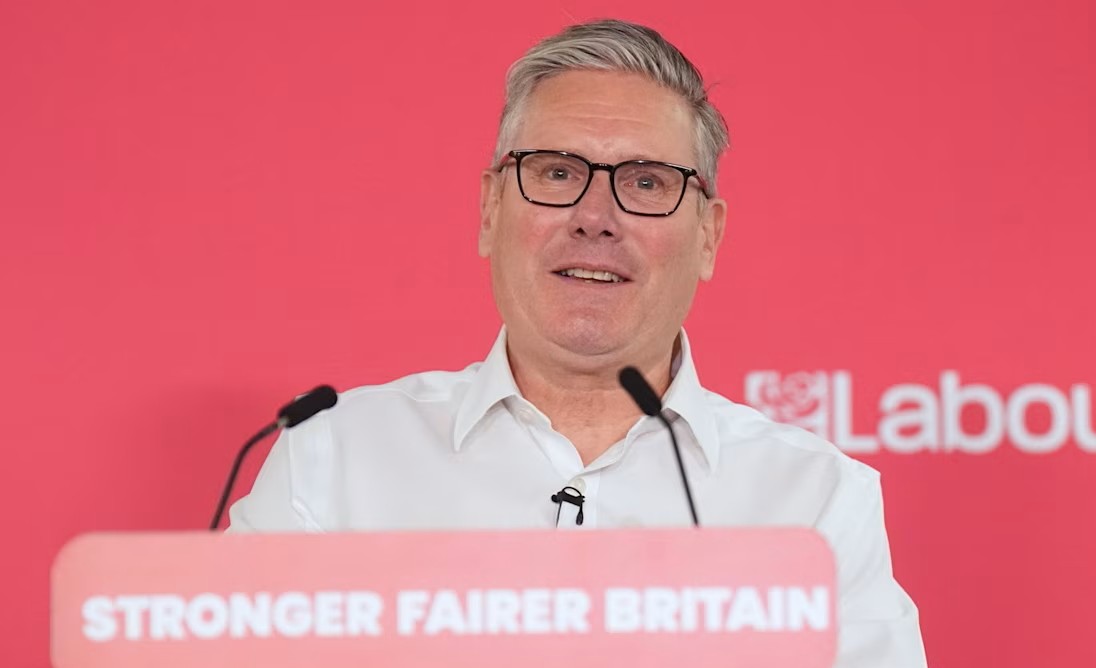
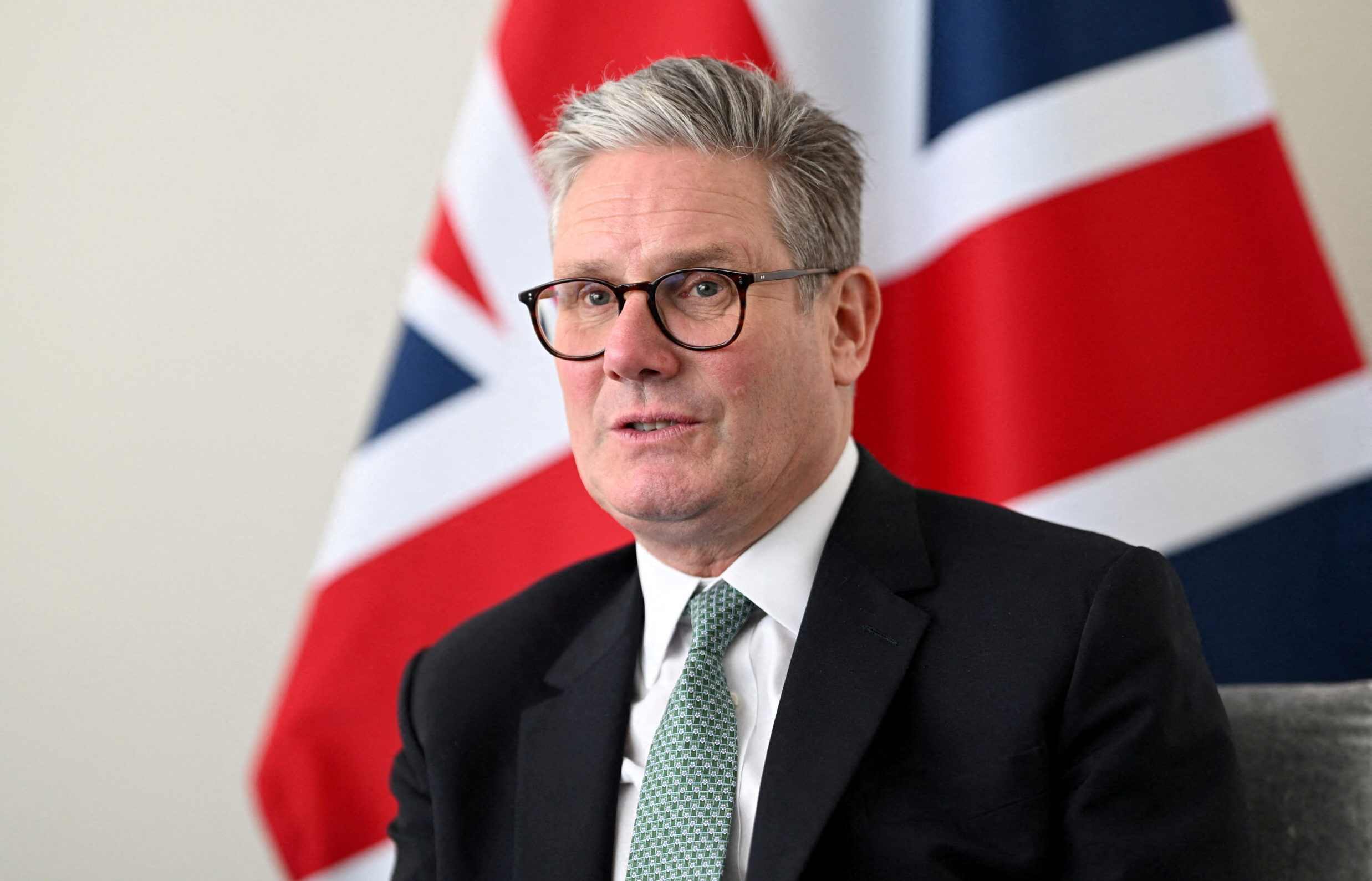
Prime Minister Sir Keir Starmer is facing intense political backlash after confirming that British military bases were made available to the United States in connection with escalating tensions in the Middle East. The decision has ignited fierce debate across Parliament, raising questions about Britain’s role in the growing regional crisis and placing the government under renewed scrutiny.
Downing Street stated that the UK permitted limited and specific use of its military facilities for what it described as defensive and strategic purposes. According to government officials, British forces are not directly engaged in combat operations, and any cooperation has been conducted within the framework of international law. However, the announcement has triggered strong reactions from opposition parties and members within Starmer’s own ranks.
Conservative critics accused the Prime Minister of exposing the UK to unnecessary geopolitical risk, arguing that allowing U.S. access to British bases could entangle the country in a broader conflict. Some senior figures warned that such involvement may increase security threats at home and damage Britain’s diplomatic standing in the region. They called for greater transparency and a full parliamentary debate on the scope of the government’s cooperation.
At the same time, several Labour MPs and civil rights advocates expressed unease, stressing that even indirect military support requires clear public accountability. They emphasized that the government must reassure citizens that Britain will not be drawn into prolonged overseas military action without democratic oversight. The issue has revived memories of past conflicts that deeply divided public opinion and reshaped UK foreign policy debates.
The controversy comes at a sensitive moment for the Starmer government, which is already managing economic pressures, domestic reform agendas, and shifting public expectations. With global tensions rising and security concerns mounting, the Prime Minister now faces the delicate task of balancing alliance commitments with national caution.
Public reaction remains divided. Some voters support cooperation with allies to maintain regional stability and deter further escalation. Others argue that Britain should prioritize diplomatic solutions over military alignment. As pressure builds in Westminster, the coming days will likely determine whether Starmer can steady the political storm or whether the debate over foreign policy will further challenge his leadership.