








Traditional Arts Make a Comeback as Young People Embrace Heritage
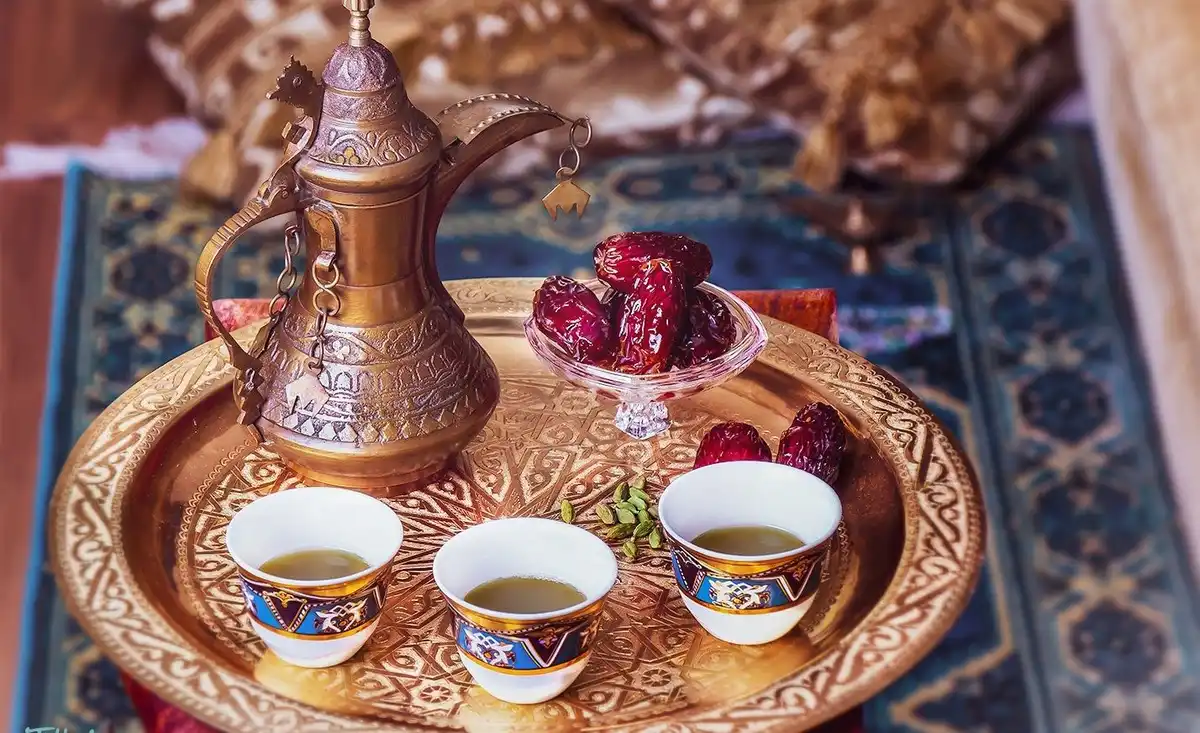
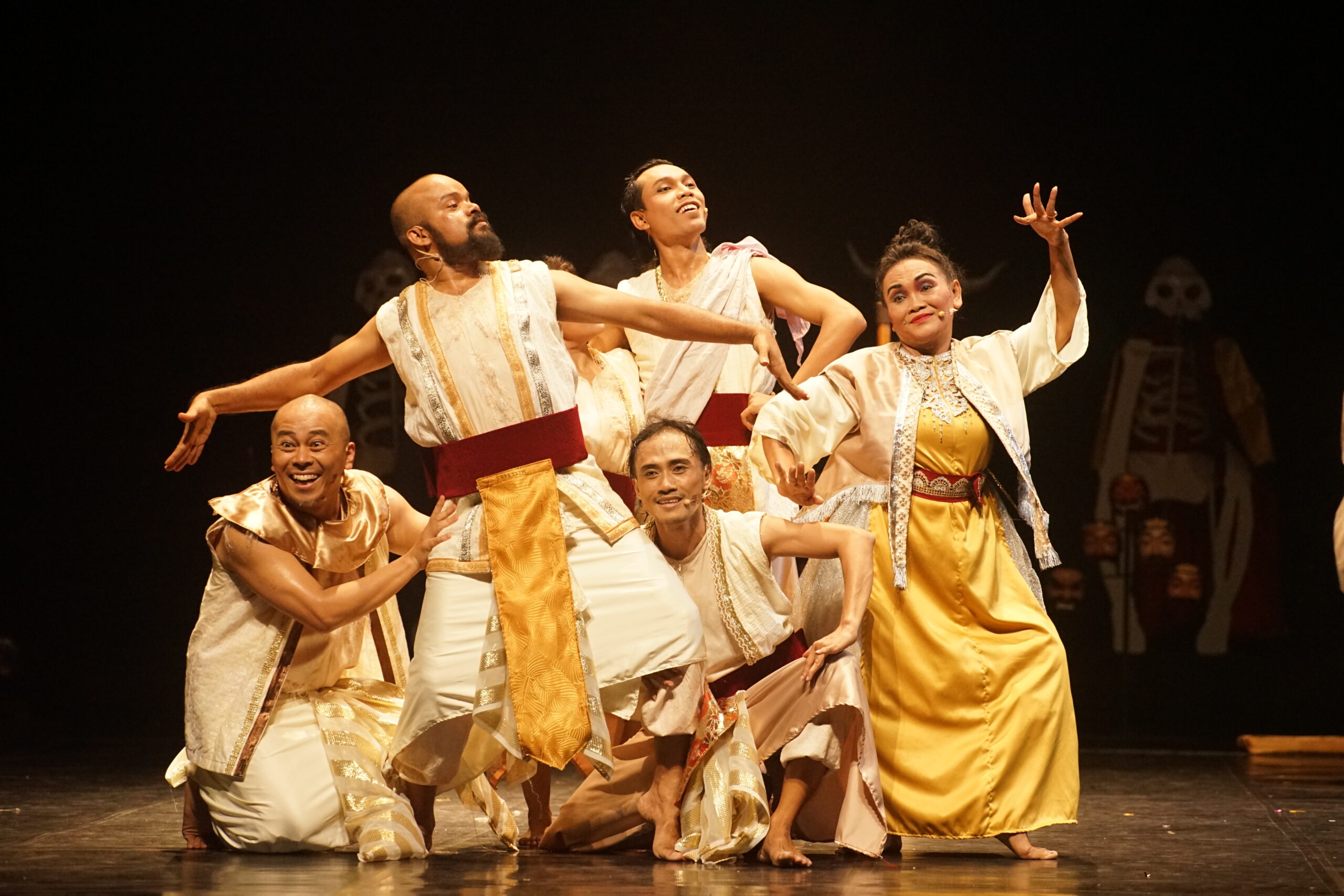
Traditional arts and crafts are experiencing a surprising revival as young people across the globe reconnect with cultural heritage. From handwoven textiles and pottery to folk music and classical dance, millennials and Gen Z are rediscovering the value of skills passed down through generations, blending tradition with contemporary style and innovation.
Experts say this resurgence is driven by a growing desire among younger generations to preserve cultural identity while expressing creativity in modern ways. Social media platforms, online workshops, and pop-up exhibitions have made traditional crafts accessible to a wider audience, allowing artisans to reach customers and enthusiasts directly. As a result, items such as embroidered garments, handcrafted jewelry, and artisanal pottery are seeing renewed demand both locally and internationally.
In addition to economic benefits, the revival of traditional arts is fostering community engagement and education. Schools and cultural organizations are introducing programs that teach young people techniques like weaving, calligraphy, and classical dance forms. These initiatives not only ensure that heritage skills are preserved but also encourage collaboration between professional artisans and students, creating a new generation of culturally aware creators.
Tourism experts have also noted that the resurgence of traditional crafts is attracting cultural tourists. Markets, festivals, and craft fairs that highlight local heritage are drawing visitors eager to experience authentic culture firsthand. Many cities and towns are now promoting heritage trails and workshops where tourists can learn crafts directly from local artisans, further integrating cultural preservation with economic development.
Digital media has played a key role in this revival. Short videos, live streaming, and e-commerce platforms allow young artisans to showcase their work to global audiences, creating a new market for traditional skills in a modern context. By combining social media marketing with centuries-old techniques, these creators are giving old crafts a contemporary identity that resonates with younger consumers.
Cultural historians emphasize that this trend is more than a passing fad; it represents a conscious effort by young people to value and sustain their cultural roots in an increasingly globalized world. As traditional arts continue to attract interest and investment, both communities and economies stand to benefit, ensuring that these timeless skills endure for generations to come.