





UK Politics Row: Labour Accuses Badenoch of ‘Cheap Political Point-Scoring’ Over Iran Strikes
Britain’s political debate over the escalating conflict involving Iran has intensified after Labour accused Conservative leader Kemi Badenoch of attempting to score “cheap political points” by criticizing the government’s stance on military action. The dispute emerged as tensions in the Middle East continue to raise security concerns for British forces and allies in the region.
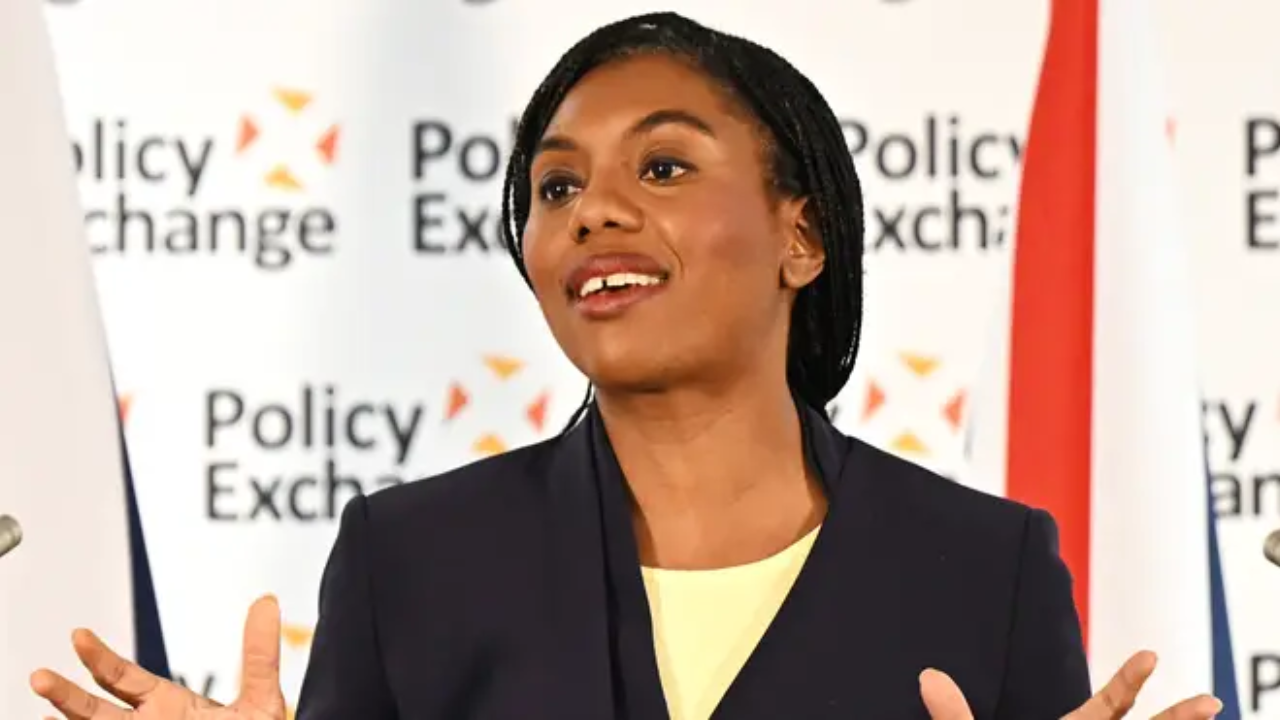
Speaking at the Conservative Party’s spring conference, Badenoch strongly attacked Prime Minister Keir Starmer, accusing him of hesitation and weak leadership in responding to international strikes on Iran. She argued that the United Kingdom had been slow to show support for its allies and suggested the government was “sitting on the fence” while other nations took decisive action. Badenoch also claimed that Britain risked appearing unreliable on the global stage if it failed to take a stronger position in the conflict.
Her remarks sparked an immediate backlash from Labour figures, who said it was irresponsible to politicize a serious international security crisis. Armed Forces Minister Al Carns criticized the Conservative leader’s comments, accusing her of exploiting the situation for political advantage rather than focusing on national unity during a time of tension. Carns stressed that issues involving military operations and national security should rise above party politics and require calm, collective decision-making.
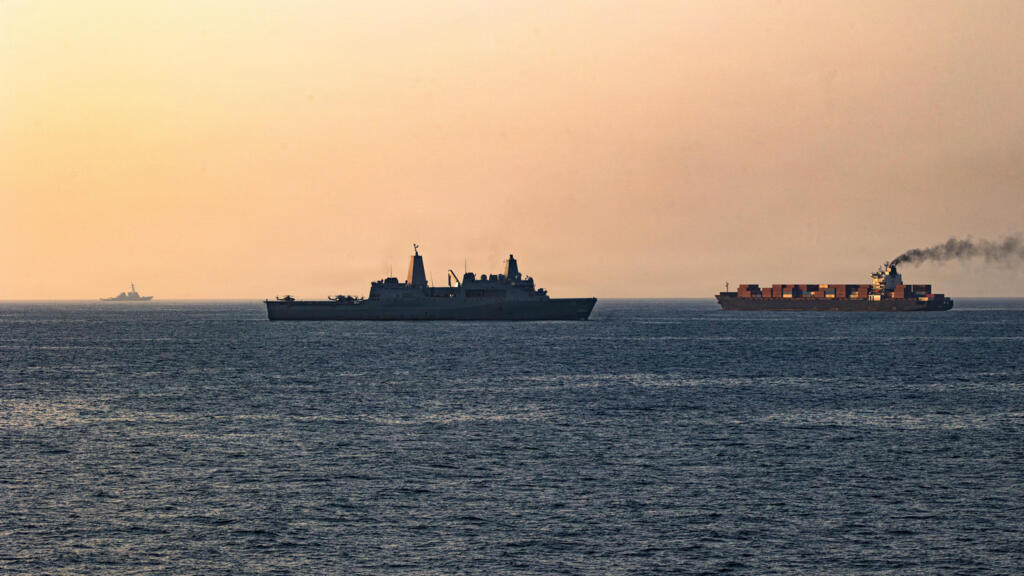
The disagreement comes as the British government maintains a cautious approach to the conflict. While the UK has supported defensive measures and allowed cooperation with allies, the government has so far avoided committing to direct offensive strikes. Officials say the priority remains protecting British personnel and maintaining stability in the region while continuing diplomatic efforts.
Political analysts say the row reflects deeper divisions within British politics about how the country should respond to escalating international crises. Critics of the government argue that a stronger military response would demonstrate solidarity with allies, while supporters of the government’s approach say restraint is necessary to avoid further escalation.
As tensions in the Middle East continue to evolve, the debate in Westminster shows no sign of easing. With both major parties defending their positions, the issue is likely to remain a central topic in UK politics as the situation abroad develops and the government faces increasing pressure over its foreign policy decisions.