










Oil Shock Reshapes Global Markets as Energy Power Map Shifts
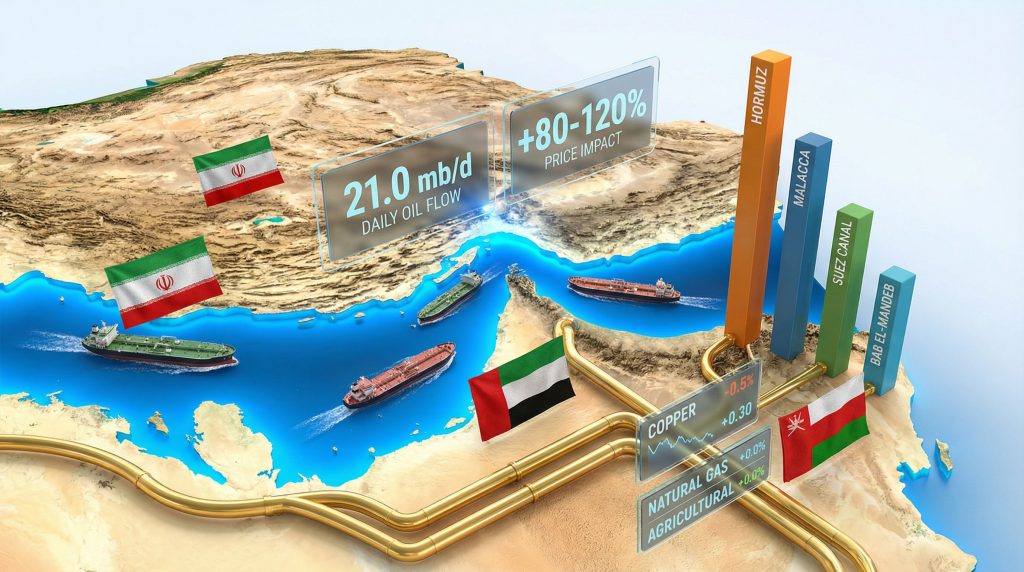
A powerful surge in global oil prices is sending shockwaves through financial markets and forcing a dramatic rethink of how energy flows across the world. As geopolitical tensions intensify in key oil-producing regions, crude prices have climbed past $110 per barrel, triggering volatility in equities, currencies, and government bonds. Investors are increasingly concerned that this is not a short-term spike but the beginning of a deeper restructuring of the global energy system.
At the heart of the disruption lies a tightening supply environment. Major producers are facing constraints ranging from conflict-related disruptions to strategic output decisions, while demand from large economies remains resilient. Countries heavily dependent on imported energy—particularly in Asia—are now scrambling to secure alternative supply lines, often at higher costs. This competition is accelerating a shift in trade routes, with oil being redirected in new patterns that reflect both political alliances and logistical realities.
Financial markets have reacted swiftly. Stock indices across the United States, Europe, and Asia have retreated as investors price in the inflationary impact of higher energy costs. Energy stocks, however, have outperformed, benefiting from rising margins and renewed investor interest. Meanwhile, sectors sensitive to fuel costs—such as transportation and manufacturing—are facing mounting pressure, raising concerns about corporate earnings in the months ahead.
Central banks now find themselves in a difficult position. The recent rise in oil prices threatens to push inflation higher just as policymakers were hoping to ease monetary conditions. This has led to a reassessment of interest rate expectations, with markets increasingly betting that rate cuts could be delayed or even reversed if inflation persists.
Beyond immediate market movements, a broader transformation is underway. Nations are re-evaluating energy security strategies, accelerating investments in domestic production, alternative fuels, and renewable energy sources. The current crisis is exposing vulnerabilities in the global energy supply chain and may ultimately hasten the transition toward a more diversified and resilient system.
For investors and policymakers alike, the message is clear: the global oil market is no longer operating under old assumptions. As supply chains shift and geopolitical risks remain elevated, the restructuring of global oil is poised to shape economic and financial trends well beyond the current market cycle.