










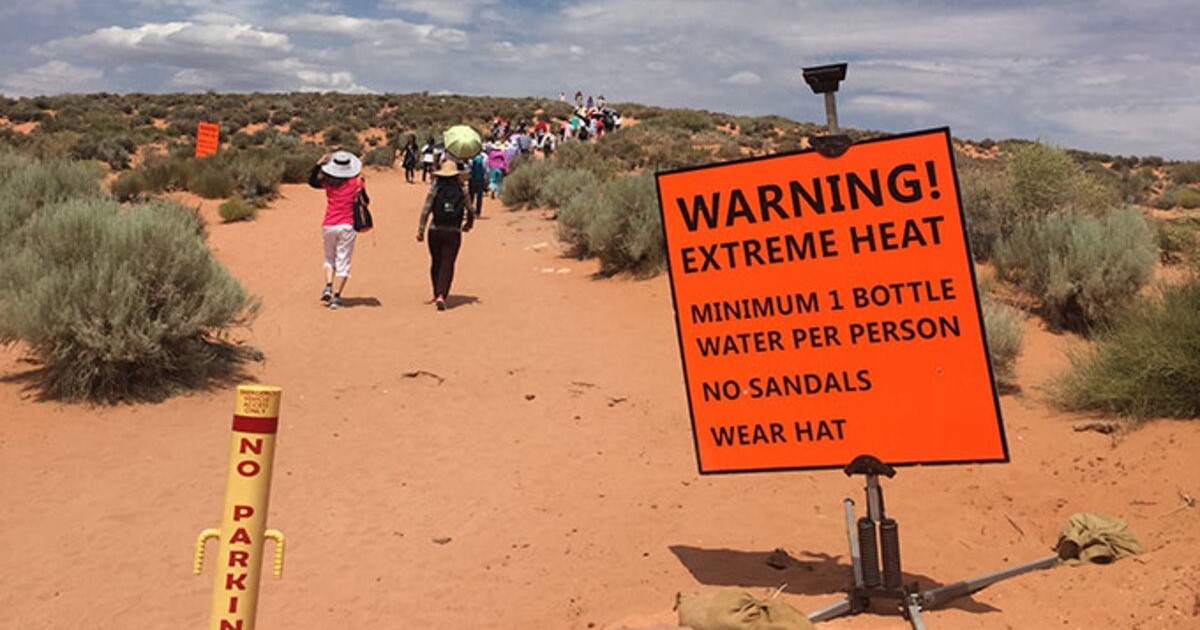
Arizona Records Hottest March Temperature in U.S. History
remote desert community in the state of Arizona has set a new benchmark for extreme weather, recording the hottest March temperature ever observed in the United States. The small area of Martinez Lake saw temperatures soar to a scorching 110°F (43.3°C), surpassing all previous national records for the month.
The unprecedented reading breaks the long-standing March record of 108°F, previously set in Rio Grande City in 1954. Meteorologists say such extreme heat this early in the year is highly unusual, as temperatures of this magnitude are typically not seen until late spring or early summer.
The heatwave has not been limited to one location. Major cities across the southwestern United States have also experienced unusually high temperatures. Phoenix climbed to around 105°F, while Las Vegas recorded temperatures in the mid-90s, both setting new daily or monthly records. The widespread nature of the heat has raised concerns among scientists and public officials alike.
Experts attribute the extreme conditions to a powerful high-pressure system, often referred to as a “heat dome,” which traps hot air and prevents cooler conditions from developing. This weather pattern, combined with long-term warming trends, is believed to be contributing to the increasing frequency and intensity of such heat events.
Climate scientists warn that record-breaking temperatures like this are becoming more common as global temperatures rise. Early-season heatwaves are particularly dangerous because communities are often less prepared, and the human body has not yet adapted to high temperatures after cooler months.
Authorities in affected areas have issued advisories urging residents to stay hydrated, avoid prolonged outdoor exposure, and check on vulnerable individuals such as the elderly and children. In some locations, outdoor activities have been limited to reduce the risk of heat-related illnesses.
As the southwestern United States braces for continued above-average temperatures, this historic March heat record serves as a stark reminder of the growing impact of extreme weather and the challenges it presents for public health, infrastructure, and daily life.