





Iran Threatens Gulf Energy and Water Infrastructure as Trump Ultimatum Looms
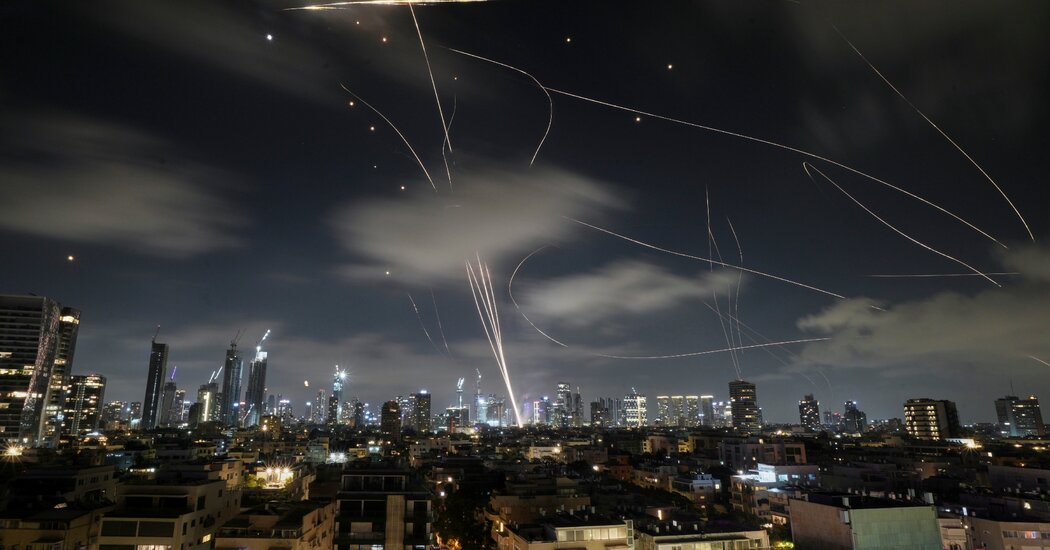
Tensions between Iran and the United States escalated sharply as Tehran warned it could retaliate against energy and water infrastructure in the Gulf if Washington acts on its recent threats. The warning follows a 48-hour ultimatum from U.S. President Donald Trump demanding that Iran fully reopen the Strait of Hormuz, a vital route for global oil shipments, or face military strikes.
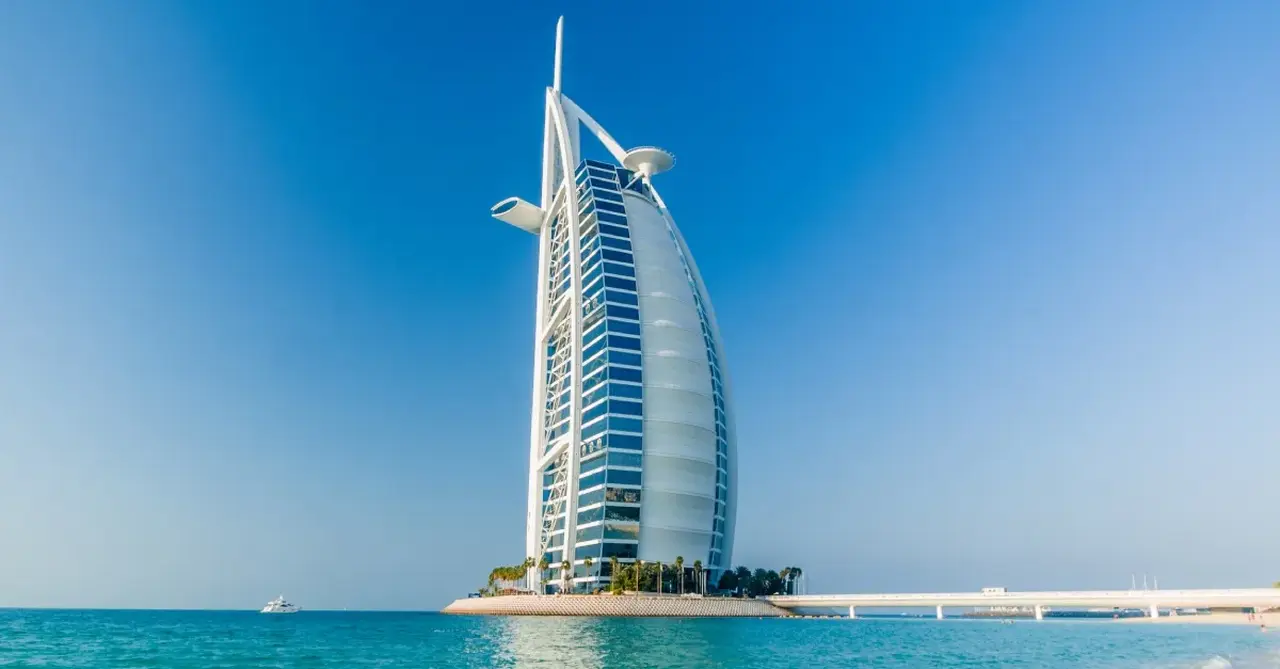
Iran’s senior officials stated that any attack on its power systems could trigger counterattacks on critical energy and water facilities in neighbouring Gulf states, particularly those hosting U.S. forces or aligned with Washington. The country also reiterated that it could close the Strait of Hormuz entirely if provoked, a move that would significantly disrupt global oil supply and further destabilize international markets.
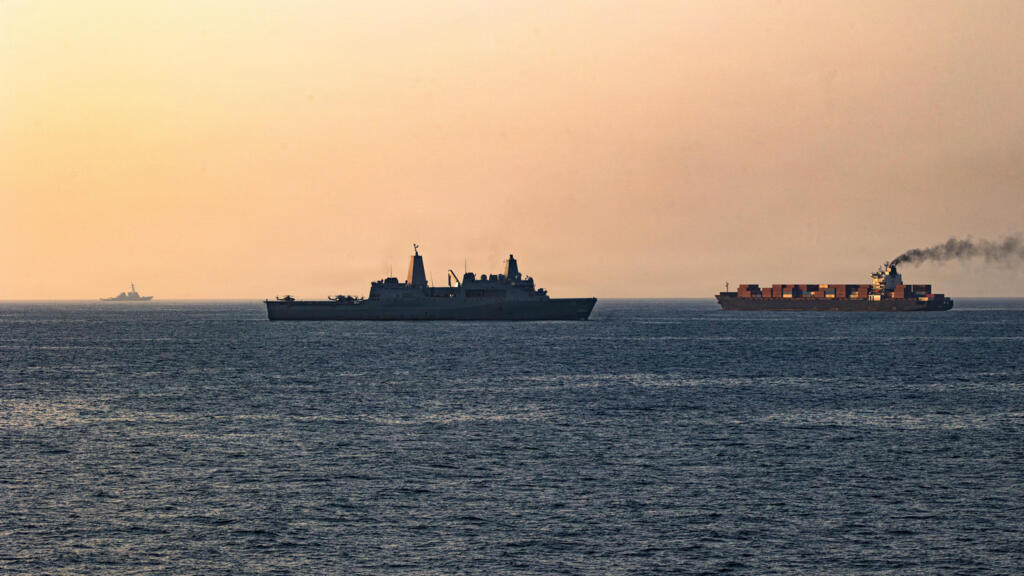
The standoff comes after weeks of rising hostilities in the region. The Trump administration has accused Iran of threatening international shipping and restricting the Hormuz strait, which handles roughly one-fifth of the world’s oil trade. U.S. officials warned that failure to comply with the ultimatum could lead to targeted strikes on Iranian power plants. Iran, however, denied any intention of controlling the strait permanently, while using partial closures as leverage in the conflict.
Global markets reacted nervously, with oil prices surging amid fears of supply disruptions. Investors moved toward safer assets as uncertainty over regional stability grew. Governments and international organizations have urged restraint, warning that military escalation could have far-reaching humanitarian and economic consequences.
Analysts have noted that targeting civilian infrastructure, including desalination plants that supply drinking water to millions, would mark a severe escalation. Several Gulf states rely heavily on these facilities, meaning any damage could disrupt daily life and basic services across the region.
As the ultimatum deadline approaches, both nations remain firm in their positions, and diplomatic efforts have yet to produce a breakthrough. With the potential for further escalation, world leaders continue to call for calm, emphasizing the urgent need for dialogue to prevent a wider conflict and mitigate the impact on global energy markets and regional security.