






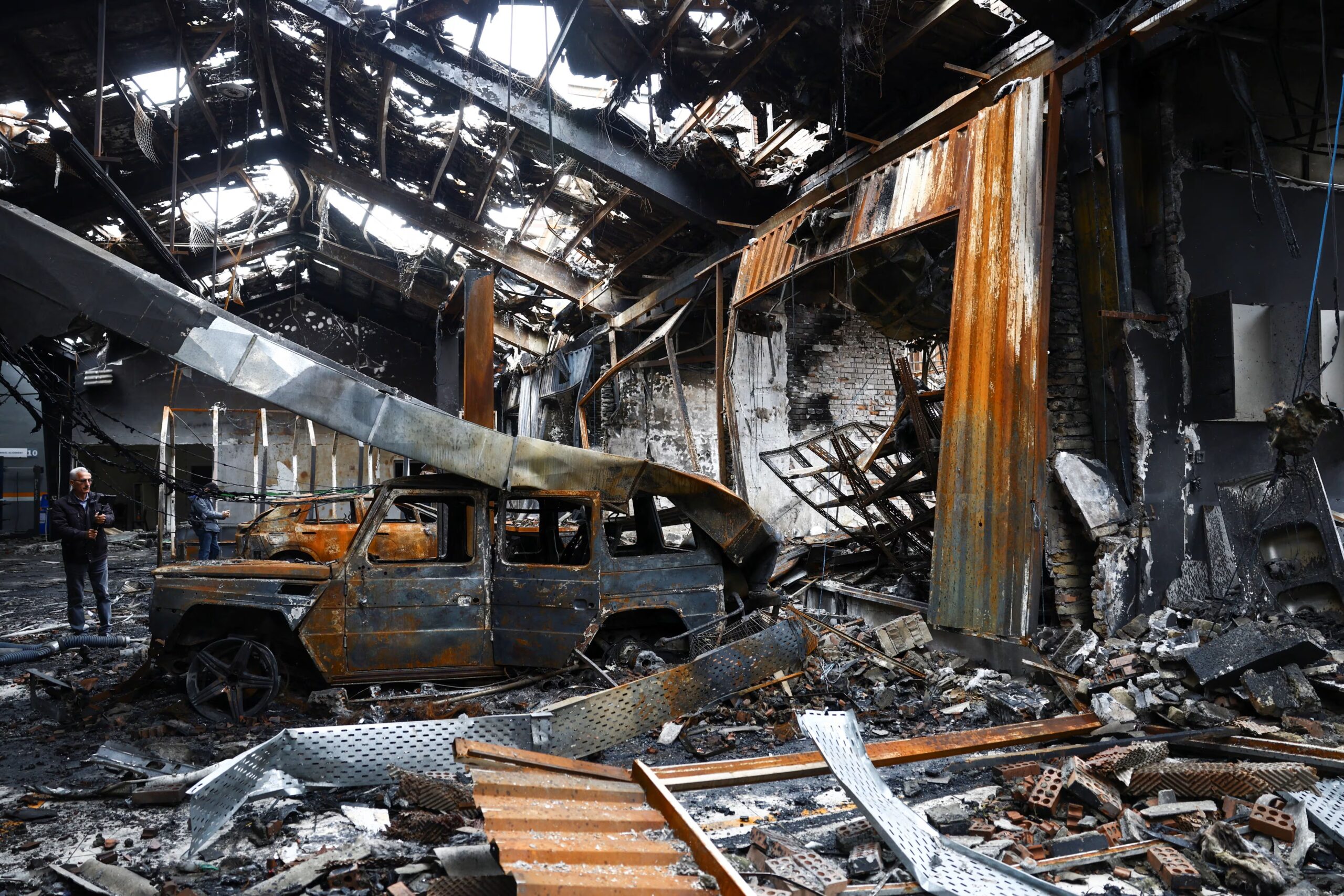
Iran-Backed Houthis Launch Missile Attacks on Israel, Escalating Middle East Conflict
Yemen’s Iran-backed Houthi movement has formally entered the ongoing Middle East conflict by launching missile attacks on Israel, marking a significant escalation in the month-long war involving the United States, Israel, and Iran. The strikes targeted Israeli military sites, prompting air raid sirens in cities including Beersheba, and Israeli defense forces reported intercepting several projectiles.
Houthi leaders stated that the attacks are carried out in solidarity with Iran and its allied forces, warning that operations will continue until what they describe as aggression against all resistance fronts ceases. This is the first time the Yemen-based group has openly intervened in the current conflict, after weeks of threats and regional tensions.
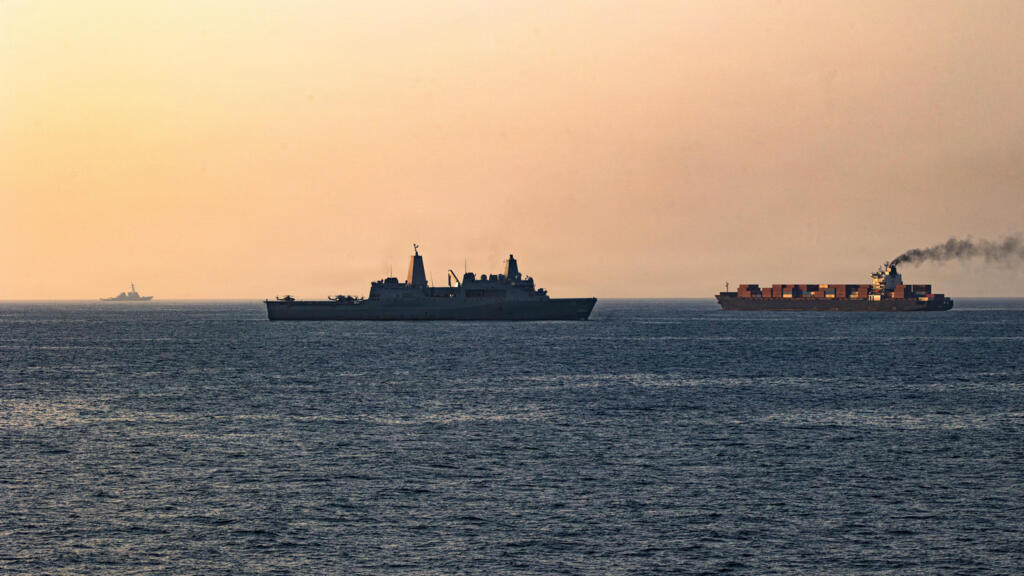
The escalation raises fears of a wider regional conflict. Analysts warn that the Houthis, who control significant portions of northern Yemen, could target not only Israeli territory but also critical shipping lanes such as the Bab al-Mandab Strait, which connects the Red Sea with the Gulf of Aden and the Suez Canal. Any disruption along this route could have serious consequences for global trade and energy supplies.
The United States has responded by reinforcing its military presence in the region, with thousands of Marines and support personnel deployed to nearby countries to safeguard assets and assist in ongoing operations. Regional diplomatic efforts are also underway, with nations including Pakistan seeking to mediate and contain the conflict before it spreads further.
Iran and allied militias in Lebanon and Iraq have welcomed the Houthis’ entry into the war, framing it as a united front against Western military operations. Israel has issued warnings of preparedness for a multi-front conflict, emphasizing that both military and civilian areas are at heightened risk due to the escalation.
The missile attacks on Israel by the Houthi movement mark a dangerous new phase in the Middle East war, expanding the number of actors involved and increasing the potential for civilian and economic fallout. Global observers are closely monitoring developments, concerned about further destabilization in the region and the potential impact on international trade, energy markets, and regional security.
The situation remains highly fluid, with both military and diplomatic responses likely to evolve rapidly as the conflict continues.