










Global Health Alerts: UK Investigates Peptide Clinics, Rare Childhood Disorders Rise, and New Covid Variant Emerges in the US
Health authorities are responding to a series of urgent developments around the world as concerns grow over unregulated medical treatments, rare pediatric disorders, and a new Covid‑19 variant.
In the United Kingdom, regulators have launched an investigation into multiple clinics offering experimental peptide therapies. These treatments, marketed for purposes such as anti‑aging, weight loss, and injury recovery, are gaining popularity despite limited clinical evidence. The Medicines and Healthcare products Regulatory Agency has warned that any clinic promoting peptides as effective medical treatments may be breaking the law and could face penalties. The investigation highlights ongoing concerns about the safety and legality of unregulated wellness products and emphasizes the risks patients may face from unverified therapies.
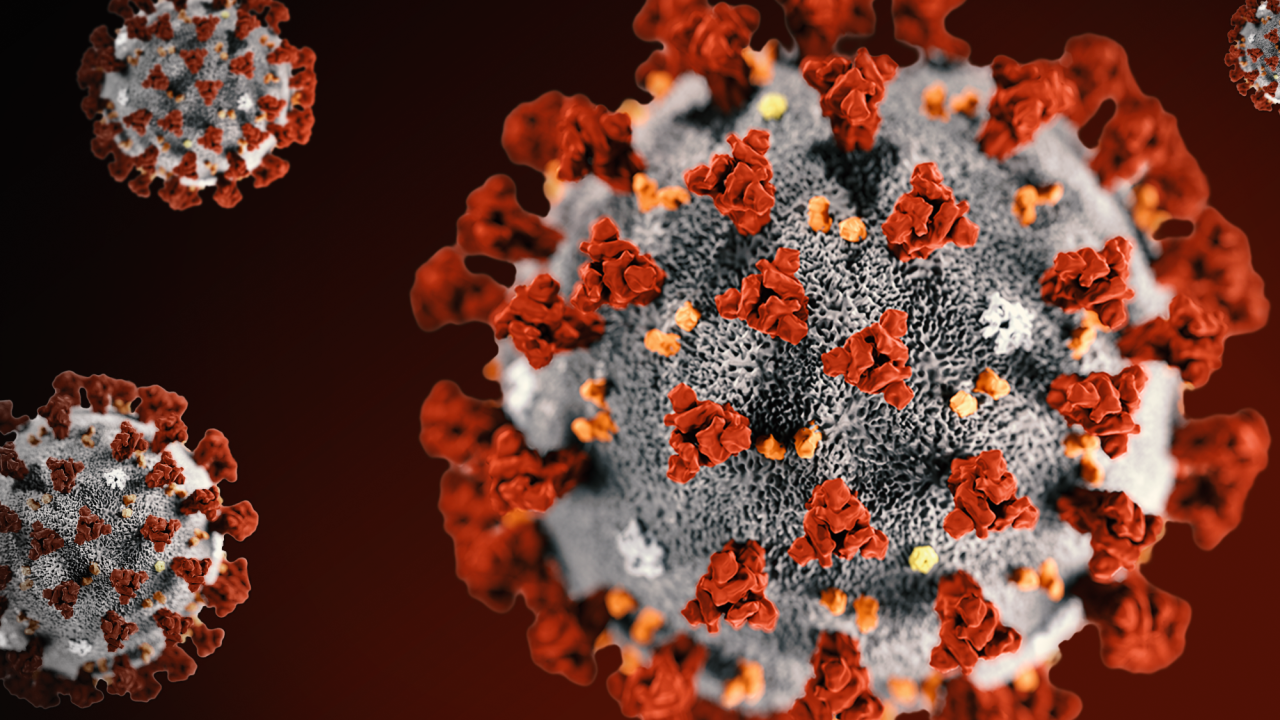
Meanwhile, public health experts in the United States are monitoring a new Covid‑19 subvariant, BA.3.2, which has been detected in numerous states. Preliminary data indicate that the variant carries several genetic mutations compared to previous strains. While early studies suggest BA.3.2 does not cause more severe illness or higher hospitalization rates, authorities are urging vigilance. Officials recommend continued surveillance, vaccination, and preventive measures to mitigate any potential impact on public health.
At the same time, rare neurodegenerative disorders in children are drawing increased attention from medical professionals and advocacy groups. Conditions such as infantile neuroaxonal dystrophy, which progressively impair motor and cognitive functions, remain extremely rare but have devastating consequences for affected families. Researchers are exploring potential gene therapies and clinical trials, while parents and advocacy groups work to raise awareness and secure funding for further study.
Experts note that rare diseases affect hundreds of millions of people globally, many beginning in childhood and presenting unique challenges for diagnosis, treatment, and support. As the world grapples with emerging infectious diseases and rare medical conditions, officials stress the importance of evidence-based healthcare, early detection, and patient safety.
Authorities urge the public to follow official guidance, avoid unverified treatments, and maintain appropriate precautions against infectious diseases. These concurrent health developments highlight the complex and interconnected challenges facing global public health in 2026, from emerging viral threats to rare disorders and unregulated wellness practices.