






Remaining in NATO is in US Interests, Says Keir Starmer as He Pushes Back on Trump Threats
British Prime Minister Sir Keir Starmer has said that continued US membership of NATO is in America’s own national interest, directly pushing back against threats from US President Donald Trump to withdraw from the military alliance.
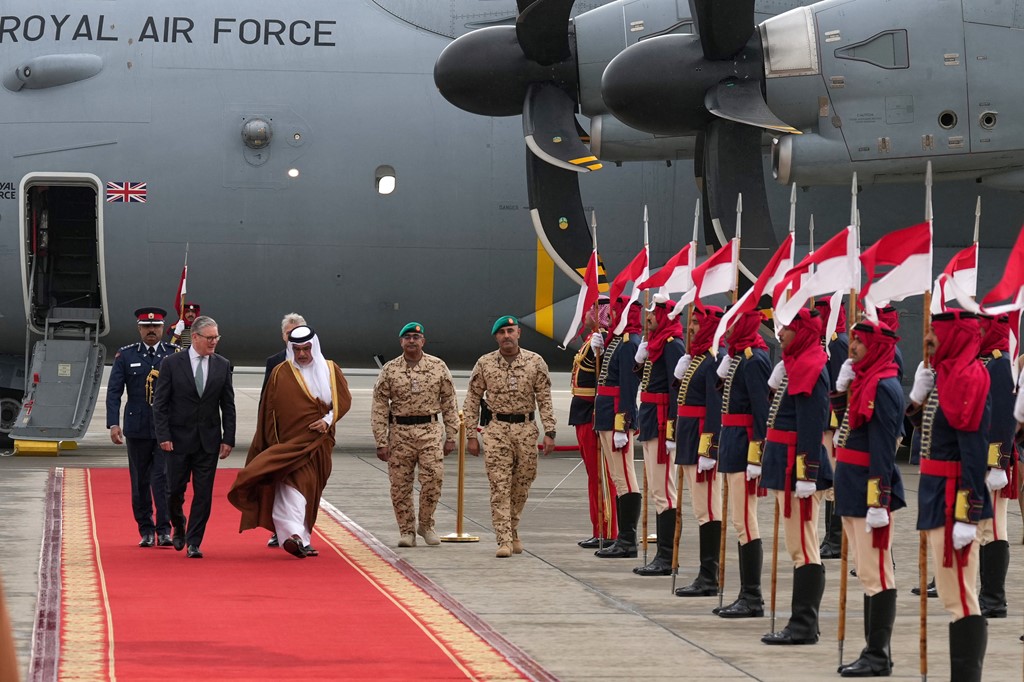
Speaking at the end of a diplomatic tour of Gulf states focused on the fragile ceasefire in the Iran conflict, Starmer warned that weakening NATO would undermine global security at a time of heightened instability. He stressed that the alliance remains the most effective defence partnership in modern history and has kept member states “much safer than we would otherwise have been.”
Starmer’s comments come amid rising transatlantic tension after Trump repeatedly criticised NATO allies over defence spending and suggested the US could reassess or even leave the alliance. European leaders have been under pressure to increase military contributions, particularly following the Iran conflict and disputes over securing key global shipping routes.
The Prime Minister acknowledged that European nations, including the UK, must do more to strengthen NATO, particularly in terms of defence investment and readiness. However, he insisted that this should be viewed as reinforcing the alliance rather than weakening it, arguing that a stronger European pillar ultimately benefits the United States as well.
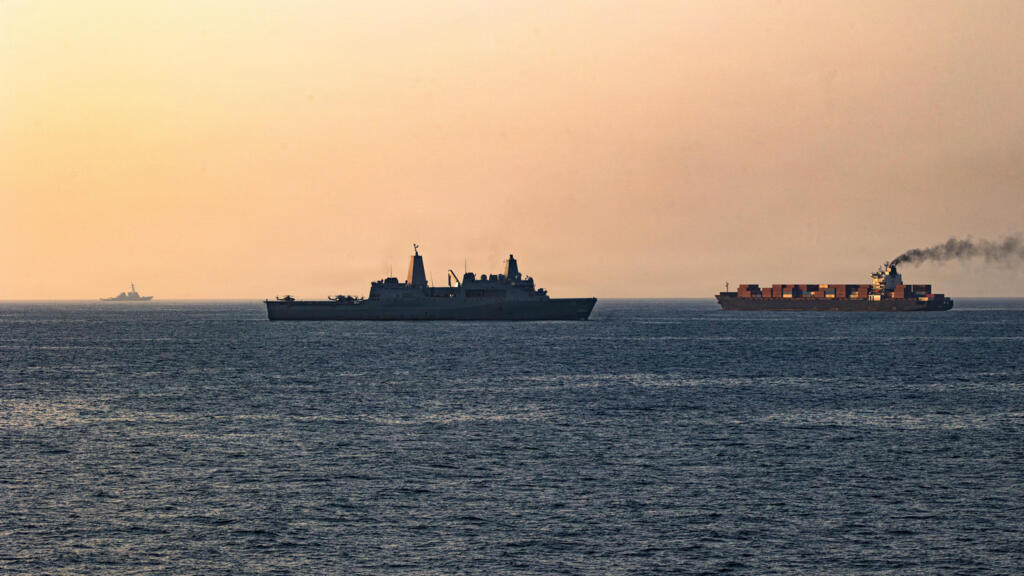
His remarks also follow discussions with Trump about stabilising maritime security in the Strait of Hormuz, a critical global oil chokepoint affected by recent tensions in the Middle East. Starmer said maintaining secure shipping routes and preventing further escalation in the region would require coordinated NATO cooperation and strong transatlantic leadership.
UK officials have defended Britain’s role in supporting US-led efforts in the Gulf, highlighting military support, intelligence cooperation, and access to key bases as evidence of continued commitment to shared security objectives.
Despite political friction, Starmer reiterated that NATO remains central to Western defence strategy and warned that fragmentation of the alliance would embolden global threats at a time of rising geopolitical risk.
His intervention highlights growing concern in European capitals that US political pressure could reshape the future of NATO, even as conflicts in the Middle East continue to test global stability.