






El Niño raises risk of extreme heat and wildfires, scientists warn
A developing El Niño weather pattern could increase the risk of heatwaves, drought and wildfires in several parts of the world, scientists have warned.
The phenomenon, driven by warmer-than-average sea surface temperatures in the Pacific Ocean, is expected to influence global weather systems over the coming months, with impacts likely to be felt across multiple continents.
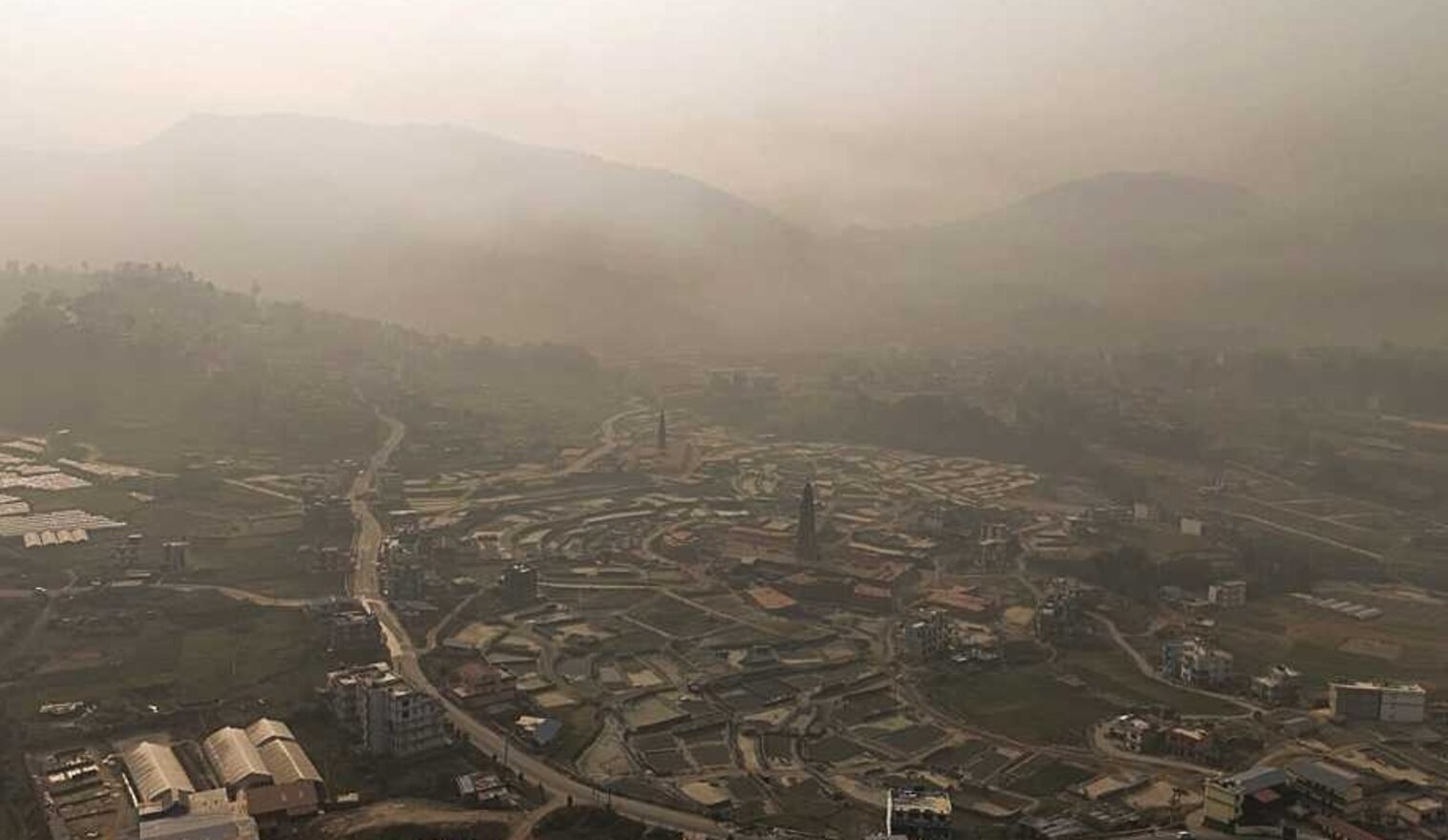
Researchers say some regions may experience significantly hotter and drier conditions than usual. These changes can dry out vegetation, leaving forests and grasslands more vulnerable to fires. Areas already facing low rainfall are considered particularly at risk.
Scientists stress that while El Niño is a naturally occurring climate cycle, its effects are now unfolding against a backdrop of rising global temperatures. This, they say, increases the likelihood of more intense and widespread extreme weather events.
“Higher baseline temperatures mean El Niño events can have a stronger impact,” one climate researcher said, noting that even small shifts in ocean temperatures can influence weather patterns on a global scale.
In parts of North America, officials are preparing for the possibility of an early and active wildfire season. Similar concerns have been raised in Australia, where dry conditions combined with heat could elevate fire danger in vulnerable regions.
Meteorological agencies are continuing to monitor the strength of the developing system. While forecasts remain uncertain, early models suggest the event could intensify as the year progresses, potentially affecting rainfall patterns, storm activity and temperature extremes.
Previous El Niño events have been linked to droughts in some regions and heavy rainfall in others, highlighting the uneven and often unpredictable nature of its impacts.
Emergency services and local authorities are urging communities in high-risk areas to remain alert and follow official advice. Preparation efforts include reviewing evacuation plans, managing vegetation and ensuring resources are in place to respond quickly to any outbreaks of fire.
Experts say further updates will be issued as more data becomes available, with the coming months expected to provide a clearer picture of how severe the impacts may be.