







Strait of Hormuz shut again after reported attacks on commercial ships, Iran says
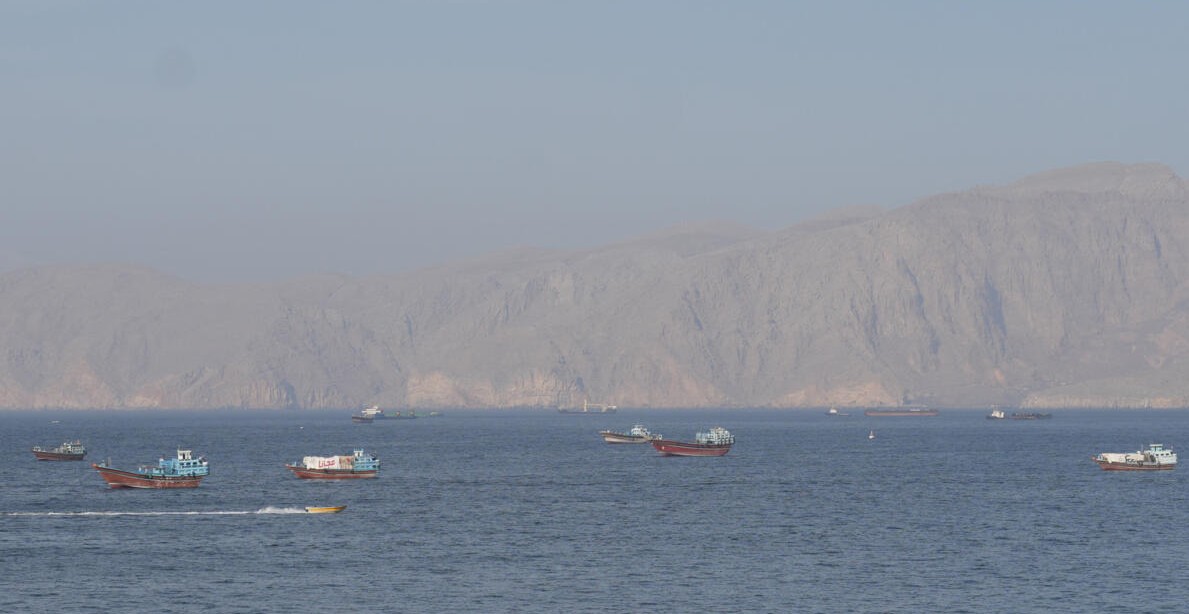
Global shipping and energy markets were thrown into fresh turmoil on 19 April 2026 after Iran announced the closure of the Strait of Hormuz, one of the world’s most critical oil transit routes, following reports of attacks on commercial vessels in the area.
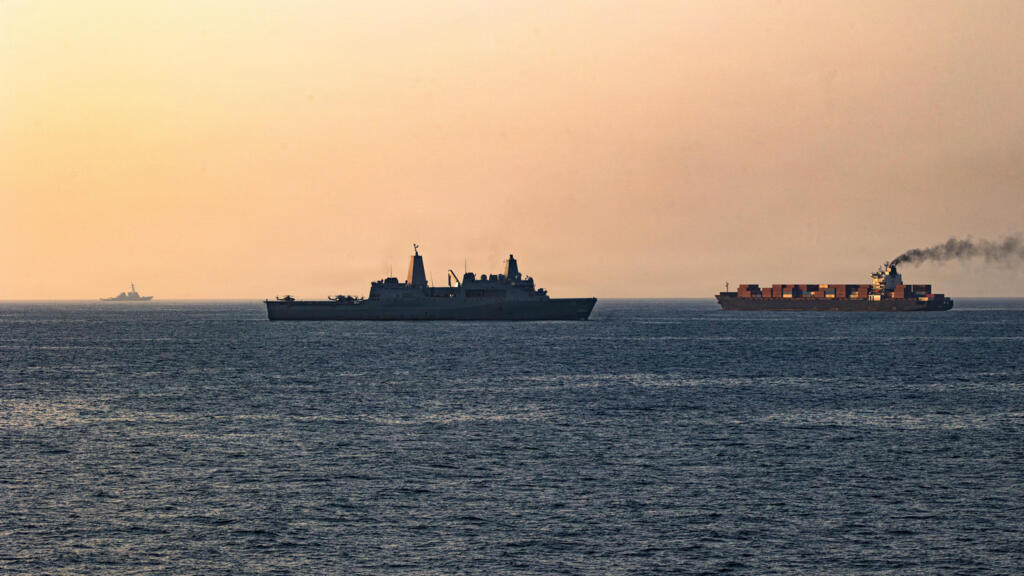
Iranian authorities said the waterway had been closed due to escalating security concerns, warning ships against attempting to pass through the narrow maritime corridor. The announcement came alongside reports that at least two commercial ships came under fire while navigating the strait, forcing them to turn back. Crew members were reported to be safe, but the incidents have sharply increased fears of a wider maritime confrontation in the Gulf.
The Strait of Hormuz is a vital passage for global energy supplies, handling a significant share of the world’s crude oil shipments. Any disruption to traffic through the route typically has immediate effects on global oil prices, shipping costs and insurance premiums.
Following the closure, shipping operators began reassessing routes in the region, with some vessels delaying entry into the Gulf altogether. Industry sources say maritime insurers are likely to raise risk premiums further, reflecting growing uncertainty over safe passage.
The move marks another escalation in a period of heightened tension in the region, where access to the strait has fluctuated amid ongoing geopolitical disputes. Previous brief reopenings had offered temporary relief to markets, but the latest developments suggest a renewed deterioration in conditions.
Energy traders reacted swiftly, anticipating potential supply disruptions that could tighten global oil markets. Analysts warn that even a short closure of the strait can trigger sharp price volatility, given its strategic importance to international energy flows.
Diplomatic efforts to stabilise the situation remain under pressure, with international observers calling for restraint to prevent further escalation. However, with shipping routes now disrupted again and maritime security deteriorating, uncertainty in the region has intensified.
The situation leaves global markets on edge, as the world watches whether the closure will be temporary or develop into a longer-term blockade of one of the most important waterways in global trade.