









US Soldier Charged After Using Secret Intelligence to Win $400,000 Betting on Maduro’s Removal
A United States Army soldier has been charged with multiple federal offenses after allegedly using classified military intelligence to earn more than $400,000 through bets on the removal of Venezuelan President Nicolás Maduro.
According to prosecutors, Master Sergeant Gannon Ken Van Dyke, a Special Forces soldier, used inside knowledge of a confidential US military operation to place strategic wagers on a prediction market platform. The bets correctly anticipated that Maduro would be removed from power by the end of January 2026, generating substantial profits.
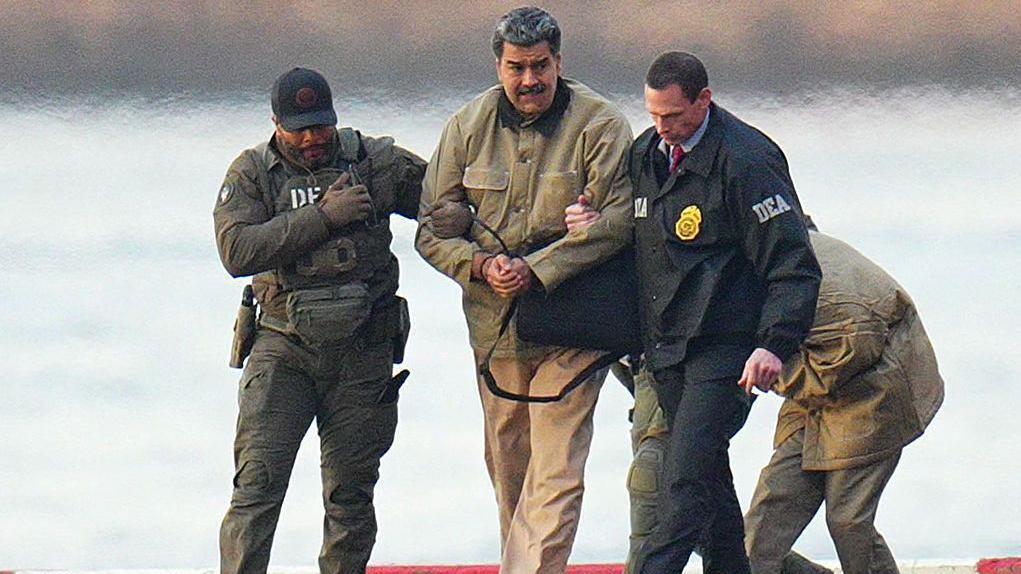
Authorities say Van Dyke was directly involved in planning and executing the operation that led to Maduro’s capture in early January. Despite having access to highly sensitive information and signing nondisclosure agreements, he allegedly placed a series of bets worth tens of thousands of dollars, ultimately turning them into more than $400,000 in winnings.
Prosecutors have charged him with theft of government information, wire fraud, commodities fraud, and unlawful use of confidential information. If convicted, he could face decades in prison.
Investigators also allege that Van Dyke attempted to conceal his activities by using cryptocurrency transactions and requesting the deletion of his betting account after cashing out his winnings.
The case is believed to be one of the first involving insider trading on a prediction market, a growing online sector where users bet on the outcomes of real-world events. The platform involved reportedly flagged the suspicious activity and cooperated with authorities.
Legal experts say the case raises serious concerns about the misuse of classified information and highlights potential regulatory gaps in emerging betting technologies. It has also sparked calls for tighter oversight of prediction markets to prevent similar incidents in the future.
Despite the severity of the charges, Van Dyke has been released on bond and is expected to appear in federal court as the case proceeds.
The incident underscores the risks posed when sensitive national security information is exploited for personal financial gain, potentially undermining trust within military institutions and beyond.