









Global Health Gains Momentum as Vaccination Drive Reaches Millions and Disease Elimination Advances
Global health progress has accelerated in 2026, marked by expanded vaccination campaigns, new treatment approvals, and significant milestones in disease elimination, according to international health agencies and recent data.
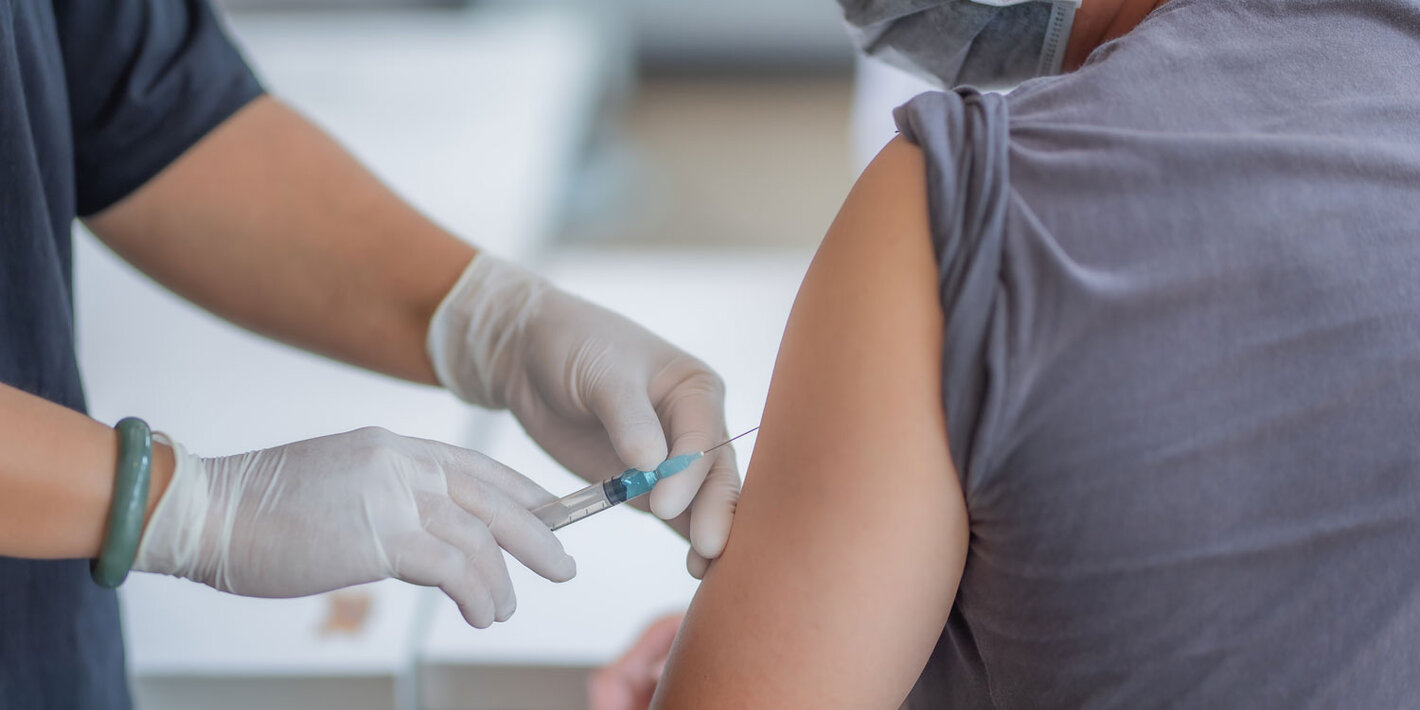
A major highlight is the continued expansion of “The Big Catch-Up” initiative, a global immunisation campaign aimed at closing vaccination gaps that widened during the COVID-19 pandemic. Health authorities report that more than 100 million children have now been reached through intensified vaccination efforts across multiple regions. The programme has been credited with restoring routine immunisation coverage in countries that faced setbacks in recent years due to health system disruptions.
In another key development, the World Health Organization (WHO) has prequalified the first malaria treatment designed specifically for infants. This marks an important step in addressing one of the most vulnerable groups affected by malaria, particularly in sub-Saharan Africa, where the disease continues to pose a major public health challenge. Experts say the approval could significantly improve survival rates among newborns and strengthen early-stage malaria prevention strategies.
Progress has also been reported in disease elimination efforts. Algeria has officially been recognised for eliminating trachoma, a bacterial eye infection that has long been a leading cause of preventable blindness in certain regions. The achievement places the country among a growing number of nations that have successfully eliminated neglected tropical diseases through sustained public health interventions, improved sanitation, and targeted treatment campaigns.
Meanwhile, global health data for 2025 indicates that approximately 1.75 billion people have experienced improved health outcomes compared to previous years. This improvement is attributed to better access to healthcare services, expanded vaccination coverage, and increased investment in disease prevention programmes worldwide.
Public health experts describe these developments as a sign of strengthening global health security, while cautioning that inequalities in healthcare access remain a major challenge. They stress that continued investment, international cooperation, and resilient health systems will be essential to sustaining progress.
Despite ongoing challenges such as emerging diseases and healthcare disparities, the overall trajectory points toward gradual but meaningful improvements in global health outcomes. The latest milestones reflect both scientific advancement and coordinated international effort aimed at reducing preventable illness and saving lives on a global scale.