








Anthropic Reaches $1.5 Billion Settlement With Authors in Landmark Copyright Case
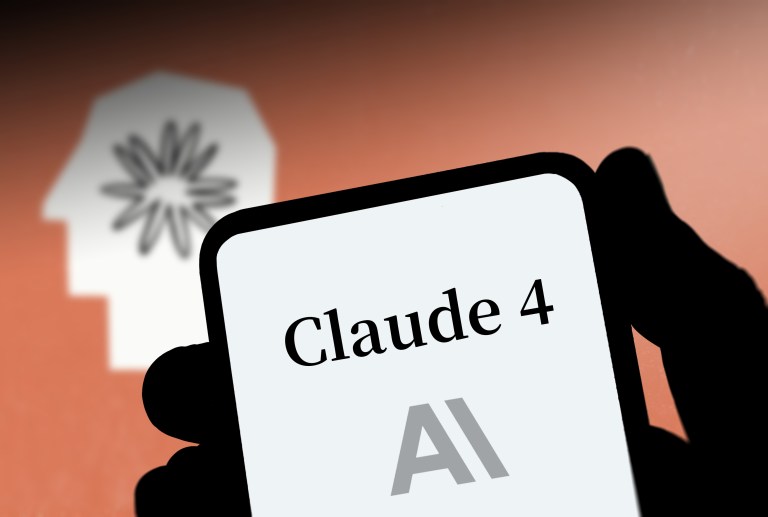
In one of the most significant legal developments in the rapidly evolving world of artificial intelligence, Anthropic has agreed to a $1.5 billion settlement with a coalition of authors who accused the AI company of copyright infringement. The case marks a turning point in how creative works are protected in the digital age and sets a precedent for how AI firms must handle copyrighted content in training their large language models.
The Case Against Anthropic
Anthropic, an AI research company known for developing advanced generative AI models, faced allegations from a group of authors and publishers who claimed that their copyrighted books, articles, and written materials were used without authorization to train AI systems. The plaintiffs argued that by ingesting their works, Anthropic unfairly profited from creative labor while undermining the publishing industry.
Authors expressed concerns that AI-generated text, capable of mimicking their writing styles or producing derivative content, could devalue original work and erode opportunities for human writers. The lawsuit became a flashpoint in the broader debate over how intellectual property should be respected in the age of generative AI.
The $1.5 Billion Settlement
The settlement figure of $1.5 billion is one of the largest payouts in the history of copyright-related disputes. By agreeing to the deal, Anthropic avoided a potentially lengthy and damaging trial that could have resulted in stricter regulations or limitations on its AI models.
The agreement includes financial compensation to authors and publishers, as well as commitments from Anthropic to:
- Implement stricter safeguards against unauthorized use of copyrighted content.
- Develop opt-out systems for authors who do not want their work included in AI training data.
- Explore licensing frameworks with publishers to ensure fair compensation in the future.
This resolution signals that AI firms are recognizing the importance of collaboration with the creative community rather than risking prolonged litigation.
Why This Settlement Matters
The Anthropic case is being closely watched across the tech and publishing worlds because it establishes a new benchmark for copyright accountability. For years, there has been a growing clash between content creators and AI developers, with writers, artists, and musicians raising concerns that their work is being used without permission to fuel powerful generative AI systems.
By agreeing to such a substantial payout, Anthropic has effectively acknowledged that the rights of authors must be taken seriously. This could influence how other AI companies, including giants like OpenAI, Google, and Meta, approach their own legal and ethical obligations around data use.
Impact on Authors and Publishers
For authors, this settlement represents validation of their long-standing concerns. Beyond the financial relief, it signals that creative labor holds value even in a tech-dominated marketplace. Publishers also see this as a victory, as it strengthens their negotiating power with AI firms and creates space for new licensing deals that could ensure steady revenue streams in the AI era.
What It Means for the Future of AI
While the settlement addresses immediate concerns, it also raises deeper questions about the future of AI development. Training data remains the lifeblood of AI systems, but if companies must pay billions to access high-quality copyrighted material, the cost of building competitive AI models will rise. This could reshape the industry, favoring firms that create transparent data partnerships and adopt ethical sourcing strategies.
The case also highlights the growing importance of AI governance. Governments and regulators may soon look to this case as a model for drafting new rules around intellectual property, data usage, and fair compensation for creators in the AI era.
Conclusion
The $1.5 billion settlement between Anthropic and authors marks a landmark moment in the AI copyright battle. It sends a powerful message that creative work cannot be exploited without consequence and that AI companies must find sustainable, fair, and ethical ways to train their systems.
As AI continues to transform industries, the balance between innovation and intellectual property rights will be at the heart of future legal and policy battles. For now, authors can celebrate a victory that ensures their voices remain central in the digital revolution.