










Lyft CEO Says California Union Deal Will Save $200 Million in Insurance Costs
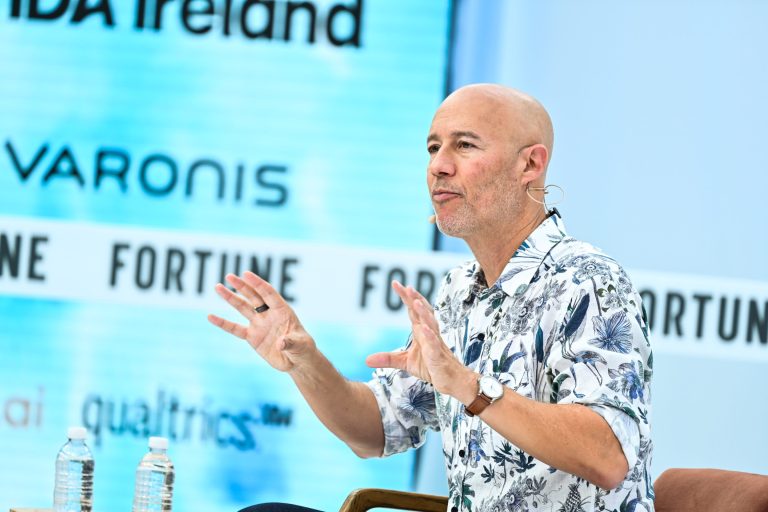
Lyft is preparing for a major financial shift following a groundbreaking agreement in California that will allow app-based drivers to unionize while remaining independent contractors. At a recent tech conference, Lyft CEO David Risher announced that the company expects to save around $200 million in insurance costs as part of the deal, describing the change as a massive breakthrough for both the business and its drivers.
The California Unionization Agreement
The agreement, struck between California lawmakers, Lyft, Uber, and labor representatives, gives rideshare drivers the right to organize and collectively bargain without altering their classification as contractors. For years, the status of gig workers in California has been one of the most heated labor debates in the country. This deal is seen as a compromise: drivers gain more collective power while companies like Lyft avoid the cost burdens that come with employee reclassification.
A central component of the agreement involves reduced insurance obligations. Until now, rideshare companies had to carry expensive coverage for underinsured or uninsured motorists, a cost that executives argued inflated fares and strained their margins. The new policy significantly lowers these requirements, creating a huge cost-saving opportunity.
$200 Million in Savings – and Where It Goes
Risher emphasized that the projected $200 million in savings would not just sit on Lyft’s balance sheet. Instead, he said the company intends to funnel much of the relief back to drivers through higher earnings and improved benefits. While details remain unclear, the CEO suggested that the deal positions Lyft to become more competitive in pricing while keeping drivers motivated and better compensated.
“The savings are enormous,” Risher said at the conference. “Insurance rates will drop, and we’ll be able to redirect that money toward drivers. This is not only good for our business but good for the people who power our platform every single day.”
What It Means for the Rideshare Industry
The announcement signals a major turning point in the gig economy. For years, rideshare firms have fought against efforts to classify drivers as employees, citing unsustainable costs. On the other side, driver advocates have demanded stronger rights and protections. The California compromise creates a hybrid model: drivers keep flexible contractor status but gain union representation, while companies like Lyft receive financial relief through lower insurance expenses.
This model could set the stage for other states to follow. If California’s framework proves successful, it may encourage policymakers elsewhere to strike similar deals—balancing worker rights with corporate sustainability.
Looking Ahead
As legislation moves forward, several questions remain:
- How quickly will the insurance cost reductions take effect?
- In what form will drivers see the promised financial benefits?
- Will the savings truly strengthen Lyft’s long-term profitability?
For Lyft, the projected $200 million savings represents not just a financial win but also a narrative shift. After years of clashes with regulators and labor groups, the company is now presenting itself as a partner in shaping the future of work. If the deal delivers on its promises, it could become a blueprint for rideshare labor relations across the country.