







Public Outcry Grows as Police Response to Teen’s Fatal Stabbing Comes Under Intense Scrutiny
The handling of a fatal stabbing by police has come under intense national scrutiny after newly released bodycam footage revealed controversial moments following the death of teenager Henry Nowak, prompting criticism from politicians, public protests, and a review of policing practices across the United Kingdom.
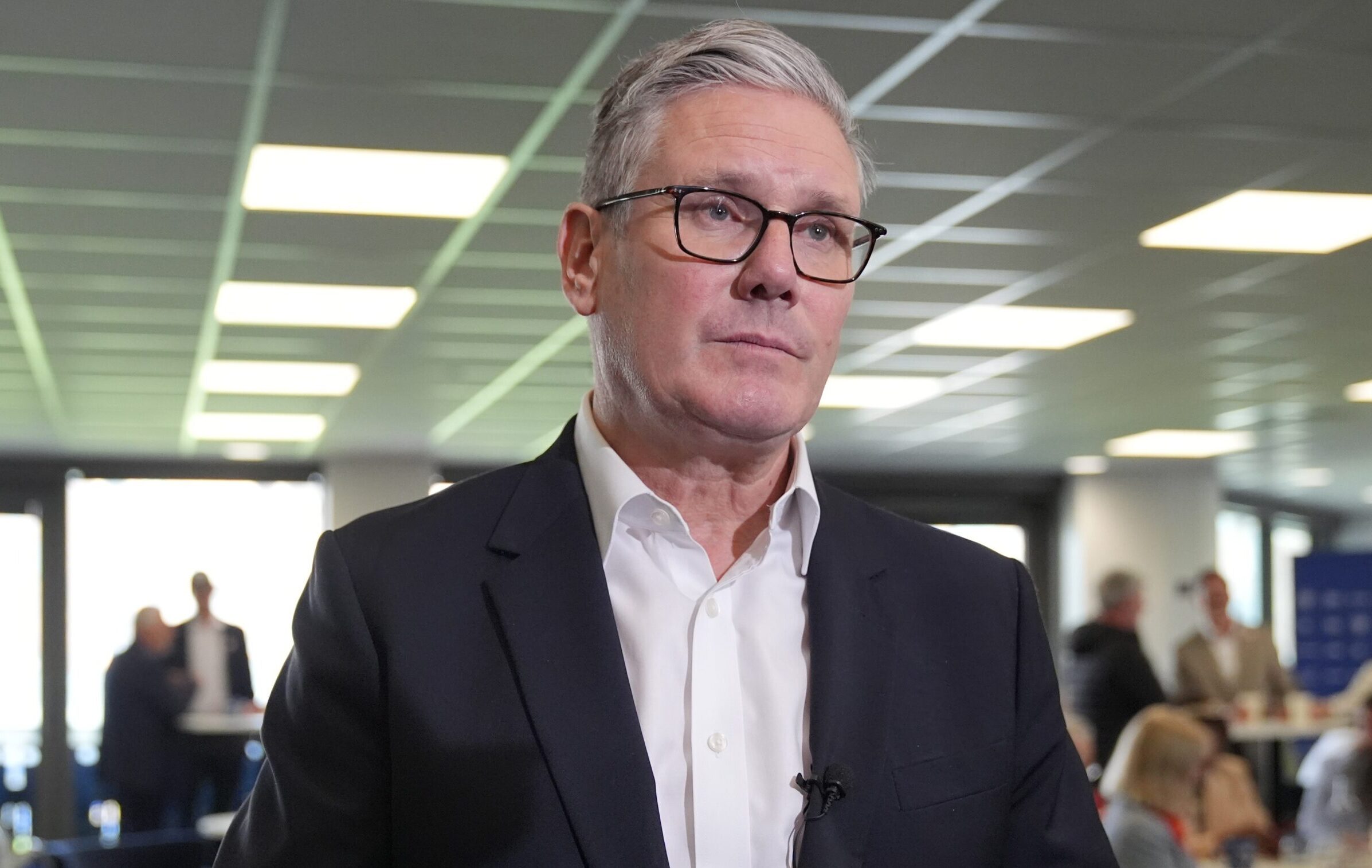
Prime Minister Keir Starmer said there were “serious questions for police to answer” after the footage emerged, showing officers responding to the scene where 18-year-old Henry Nowak was fatally stabbed in Southampton.
The footage captures the immediate aftermath of the attack and shows the suspect, 23-year-old Vickrum Digwa, interacting with police officers. Digwa was sentenced on Monday to a minimum of 21 years in prison after being convicted of murdering the university student with a 21-centimetre knife.
According to evidence presented during the trial, Digwa initially told officers he had been the victim of a racist attack. Bodycam recordings show police responding to those claims at the scene while Henry Nowak, who had suffered fatal injuries, was handcuffed during the chaotic aftermath. The footage has generated widespread debate online and among political leaders, with critics questioning whether officers were too quick to accept the suspect’s account before establishing the facts.
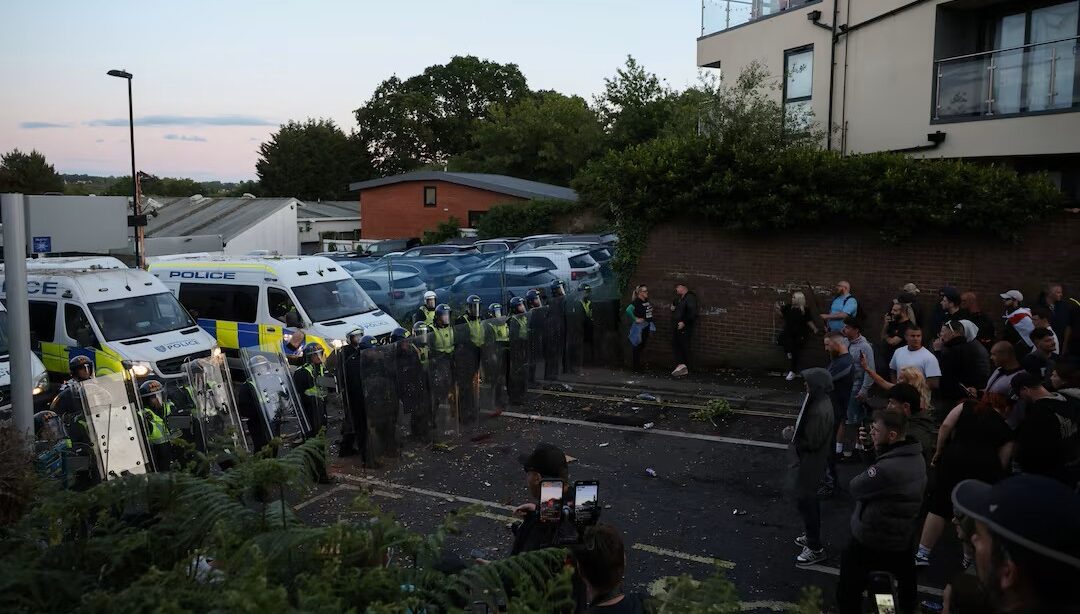
The release of the video has sparked strong public reaction. On Tuesday evening, several hundred demonstrators gathered in Southampton to demand accountability and transparency regarding the police response. While the protest began peacefully, clashes later occurred between some protesters and riot police, resulting in a tense standoff in parts of the city.
The controversy has also reignited debate over policing policies and efforts to address racial disparities within law enforcement. Attention has focused on guidance published last year by the National Police Chiefs’ Council (NPCC), which outlined anti-racism commitments aimed at improving equality within policing.
The document argued that achieving equal outcomes for people from different ethnic backgrounds does not necessarily mean treating everyone identically and that policing should take account of individuals’ circumstances and experiences. While the guidance is not formal policy or mandatory training, critics have argued that any approach perceived as treating people differently based on race risks undermining public confidence in policing.
Following the growing criticism, the NPCC confirmed it is reviewing the concerns raised by Members of Parliament and the public. Police leaders stated that they are prepared to make changes where necessary while maintaining their commitment to fair and unbiased policing.
The case has become a broader national discussion about trust, accountability, and decision-making during high-pressure incidents. As investigations and reviews continue, many are calling for greater transparency regarding police procedures and assurances that officers are trained to assess situations based on evidence rather than assumptions.
For Henry Nowak’s family, however, the focus remains on the loss of a young life. As the debate over policing practices intensifies, tributes continue to be paid to the teenager whose death has become the centre of a growing national conversation.