
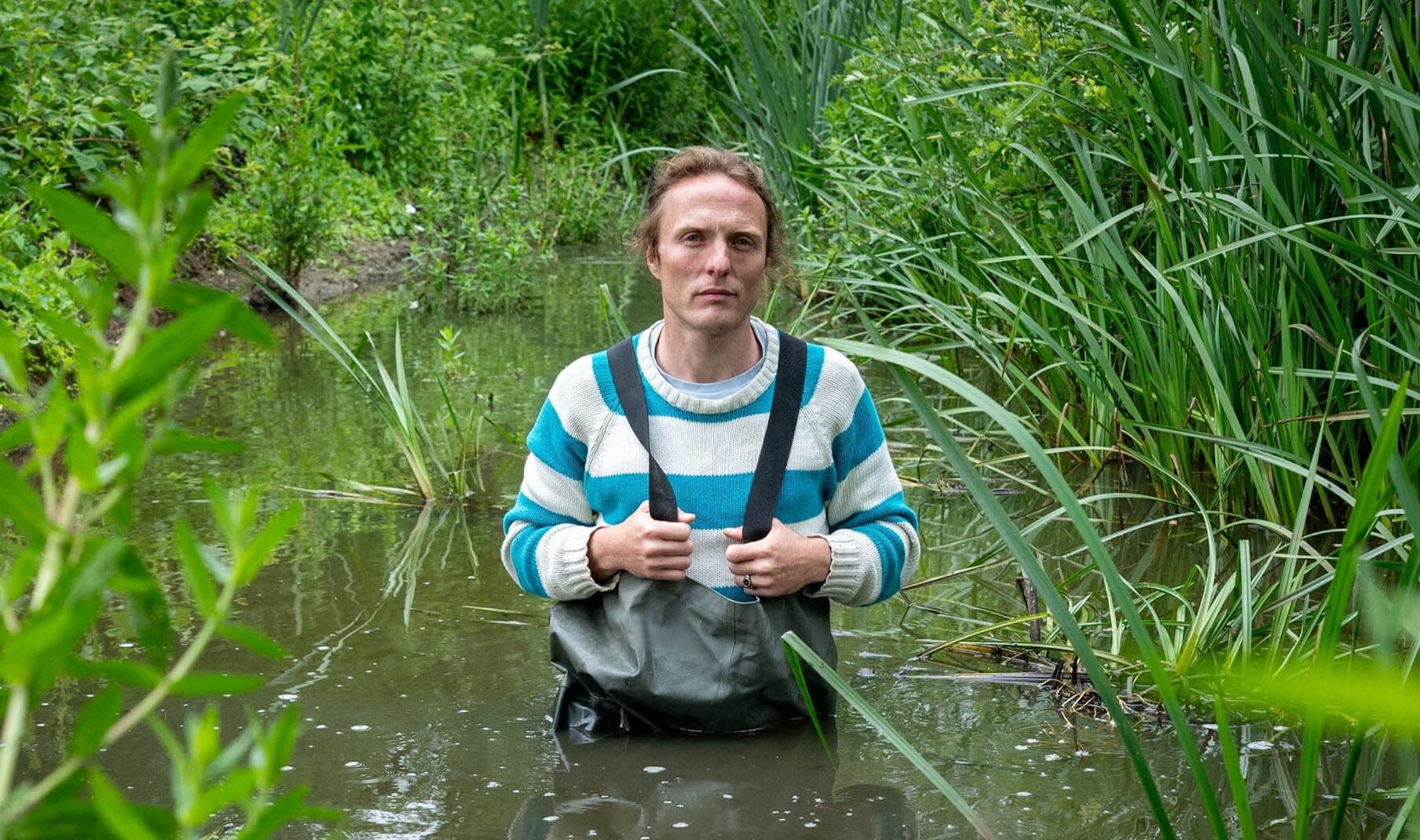









UK Lawyer Faces Legal Risk After Swimming in Polluted River He Helped Clean Up, Says Wildlife Has Returned
A UK lawyer, Paul Powlesland, says he could face up to two years in prison after swimming in a polluted river without a permit, despite claiming that the waterway has shown signs of ecological recovery following cleanup efforts he has supported.
Powlesland, who has been involved in environmental advocacy around river pollution, said he entered the river to highlight both its improving condition and the continued legal restrictions surrounding access to natural waterways. His actions, however, may fall foul of environmental regulations that require permits for certain activities in protected or regulated water systems.
Speaking about the river’s condition, Powlesland said that wildlife has begun to return since cleanup efforts started. He noted sightings of fish and dragonflies, describing them as positive indicators that the ecosystem is slowly recovering after years of pollution and environmental damage.
Despite these improvements, authorities maintain strict rules governing interaction with the river, particularly in areas where water quality, safety, or conservation status remains under review. Under current regulations, unauthorized activity in such waterways can carry significant penalties, including potential imprisonment.
Powlesland’s case has sparked wider debate about public access to natural spaces, environmental restoration, and the balance between conservation law and citizen engagement. Supporters argue that public interaction with restored rivers can raise awareness and encourage further environmental action, while critics stress that regulations are necessary to ensure safety and protect fragile ecosystems during recovery phases.
Environmental groups have long highlighted the poor condition of many UK rivers, citing industrial runoff, agricultural pollution, and sewage discharge as ongoing challenges. In recent years, however, increased public pressure and legal action have pushed authorities and water companies to invest in cleanup initiatives and stricter monitoring.
The reported return of wildlife such as fish and dragonflies is being viewed by some conservationists as a promising sign that restoration efforts are beginning to work. However, experts caution that full ecological recovery can take many years and requires sustained commitment to pollution control and habitat protection.
As discussions continue, Powlesland’s experience has drawn attention to the complex intersection of environmental activism and legal restrictions. While the river may be showing early signs of revival, the legal boundaries governing its use remain firmly in place, underscoring the challenges of balancing ecological recovery with public engagement.