







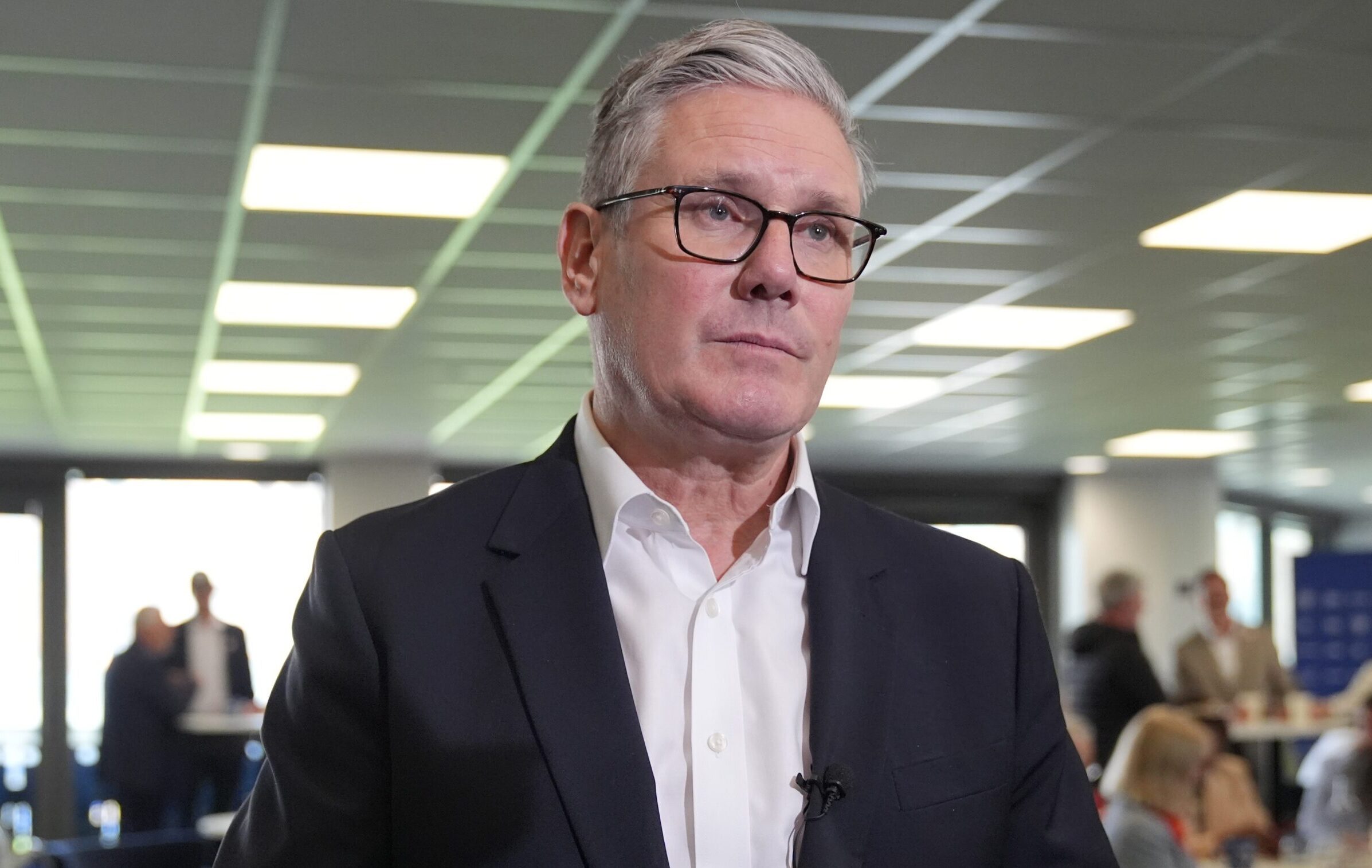


Keir Starmer Resigns as Labour Leader After Political Collapse, Marking a Defining Turn in UK Politics
Sir Keir Starmer has stepped down as leader of the Labour Party after a period of mounting political pressure, electoral setbacks, and internal revolt that ultimately reshaped the leadership of one of Britain’s major political forces. While he will remain in office as prime minister until a successor is selected, his resignation as party leader signals the end of a turbulent chapter in Downing Street.
The decision follows months of intensifying strain within Labour ranks, driven by weakening poll numbers and a growing sense that the government had lost its political momentum. What began as quiet concern within party circles escalated into open dissatisfaction, as MPs and senior figures increasingly questioned Starmer’s leadership and strategic direction.
The tipping point came after a series of damaging election results across Wales, Scotland, and local authorities in England. Long viewed within Labour as a crucial test of public confidence, the May elections instead delivered a severe blow to the party’s standing. The losses were not only numerical but symbolic, exposing fractures within Labour’s support base and triggering a wave of political consequences in Westminster.
The fallout was immediate. Health Secretary Wes Streeting resigned from his post, followed by several junior ministers who stepped away from government roles in protest and disillusionment. The resignations highlighted the depth of instability inside the administration and accelerated calls for a change at the top.
Further political tension emerged as internal party rivalries resurfaced. The resignation of an ally of Andy Burnham from the Commons reopened the pathway for the former Greater Manchester mayor’s potential return to Westminster, fueling speculation about a leadership challenge. Burnham, long seen as a powerful figure within the Labour movement, quickly became a focal point in discussions about the party’s future direction.
Starmer’s authority, once seen as firmly established, eroded rapidly under the weight of electoral disappointment and internal dissent. Attempts to maintain unity proved increasingly difficult as MPs openly demanded accountability and strategic change. Ultimately, faced with the prospect of prolonged instability and widening rebellion, Starmer chose to step aside as party leader.
His resignation marks a decisive shift in British politics. It reflects not only the pressures faced by a single leader, but also the volatility of public trust and the speed at which political fortunes can change. For Labour, the departure opens a new and uncertain contest for leadership, with competing visions likely to emerge over how the party should rebuild its identity and reconnect with voters.
As Starmer remains temporarily in office as prime minister, attention now turns to the race that will define Labour’s next era. The outcome will determine not only the party’s future direction but also the broader balance of power in UK politics.