









Early Bee Swarms Spark Alarm Across North America After Record Colony Losses
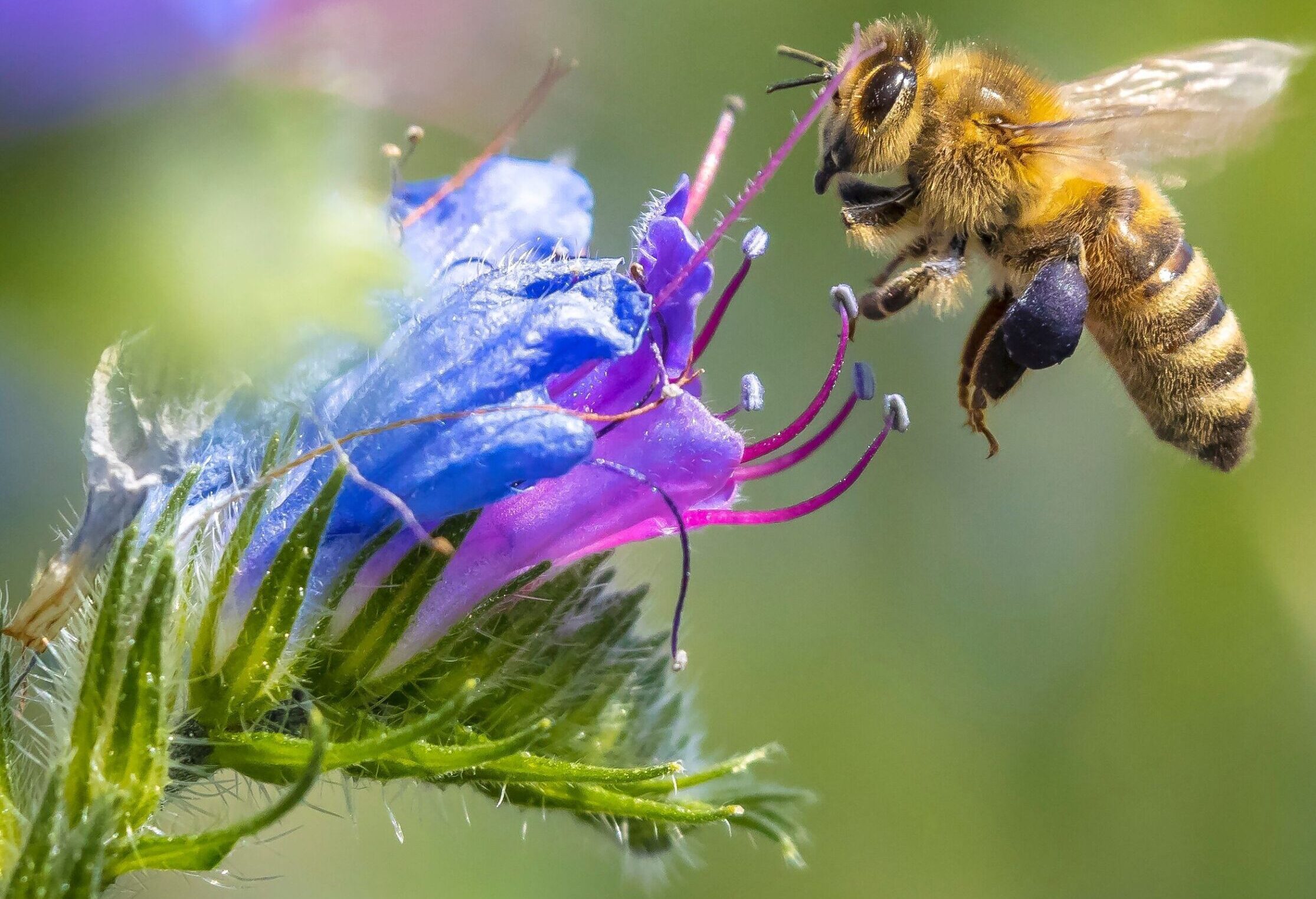
Beekeepers across North America are reporting an unusually early start to swarm season, raising fresh concerns for already stressed honeybee populations following record colony losses last year.
Experts say the early activity appears to be linked to an unusually warm winter, which disrupted normal seasonal cycles and caused honeybee colonies to become active weeks earlier than expected. Instead of remaining in a dormant state, many hives have begun “waking up” prematurely, prompting early foraging and swarm behavior.
The phenomenon has been observed across multiple regions in the United States and Canada, with beekeepers reporting increased hive splitting and unexpected swarms in late winter and early spring conditions. Normally, swarm season peaks later in the year when temperatures stabilize and food sources become more abundant.
Honeybees play a crucial role in pollinating crops such as almonds, apples, berries, and vegetables, making their health vital to global food production. Scientists warn that disruptions to their life cycle could have wide-reaching effects on agricultural output and food prices if the trend continues.
Last year saw significant honeybee colony losses, driven by a combination of parasites, pesticide exposure, habitat loss, and climate-related stress. The early start to this year’s swarm season is adding further pressure to already weakened colonies, raising fears of another difficult year for pollinators.
Researchers say climate change is increasingly altering seasonal patterns, causing mismatches between bee activity and the availability of flowering plants. If bees emerge too early, they may struggle to find enough nectar and pollen, weakening colonies before peak pollination periods begin.
Beekeeping associations are urging farmers and hive managers to closely monitor colonies and take preventive measures such as ensuring adequate food supplies and managing hive space to reduce uncontrolled swarming.
Scientists are also calling for expanded conservation efforts, including the protection of wild habitats, reduced pesticide use, and increased research into bee health and disease resistance.
While early swarming is not uncommon in isolated cases, experts warn that the scale and timing of this year’s activity may signal a broader shift in seasonal patterns that could reshape pollination cycles across North America in the years ahead.