










UK Tightens Waste Carrier Licensing Rules in Crackdown on Illegal Dumping
The UK government has announced tighter rules for waste carrier licences as part of a major crackdown on illegal dumping, aiming to close loopholes that have allowed criminal networks to exploit the waste management system.
Under the new measures, operators handling waste will face stricter registration checks, enhanced compliance monitoring, and tougher penalties for failing to properly document or dispose of materials. Authorities say the changes are designed to prevent so-called “fly-tipping gangs” from operating under legitimate-looking licences while dumping waste illegally in rural areas, industrial estates, and public land.
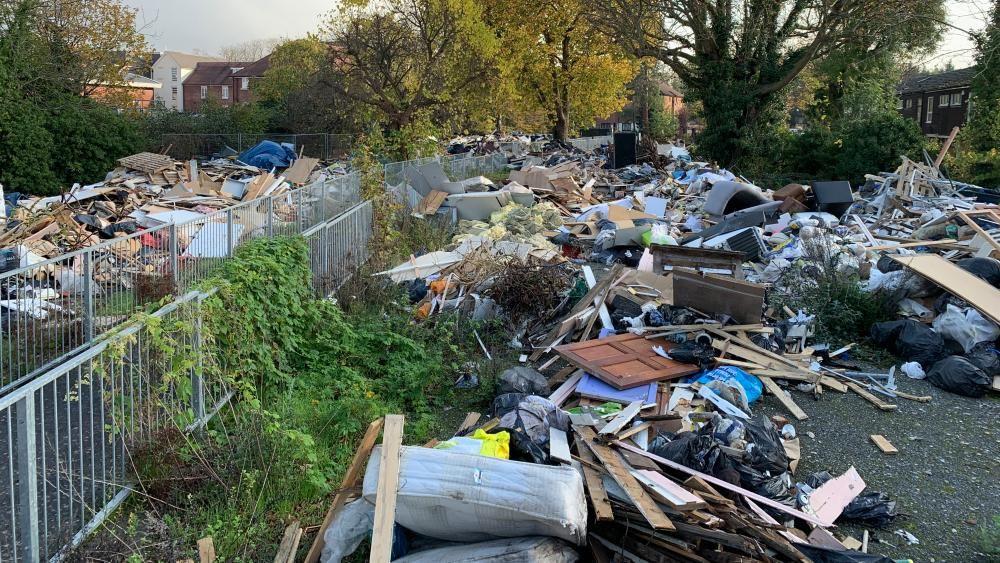
The Environment Agency has reported a steady rise in illegal waste dumping cases in recent years, with enforcement teams clearing thousands of tonnes of rubbish abandoned in fields, roadsides, and waterways. Officials say the problem has become increasingly organized, with some groups charging customers for legal disposal before unlawfully dumping waste to avoid landfill fees.
Environment ministers said the reforms will make it harder for rogue operators to enter the system and easier for regulators to trace waste from source to final disposal. Enhanced digital tracking and improved record-keeping requirements are expected to play a key role in strengthening oversight.
Local councils have welcomed the move, arguing that the cost of clearing illegally dumped waste has placed significant pressure on public budgets. Communities in affected areas have also raised concerns about environmental damage, including pollution, fire risks, and harm to wildlife caused by uncontrolled waste sites.
The crackdown will also include increased fines and potential prosecution for repeat offenders, with authorities emphasizing that illegal dumping is not only an environmental issue but also a serious criminal offence linked to organized crime groups.
Environmental campaigners have long called for stronger regulation of the waste industry, warning that existing rules were too easy to bypass. They argue that tougher licensing requirements will help restore accountability and reduce the incentive for illegal disposal.
Officials say the new framework will be rolled out in phases, with full enforcement expected to begin after a transition period allowing businesses to update their registration and compliance systems.