





Multi-Front Diplomatic Push Underway as Pakistan and Regional Powers Engage in Effort to Bridge Gaps in Iran–US Talks
A broad diplomatic initiative involving multiple regional and international actors is underway to reduce tensions and advance negotiations between Iran and the United States, as efforts intensify to narrow differences in ongoing discussions over regional security and broader geopolitical disputes.
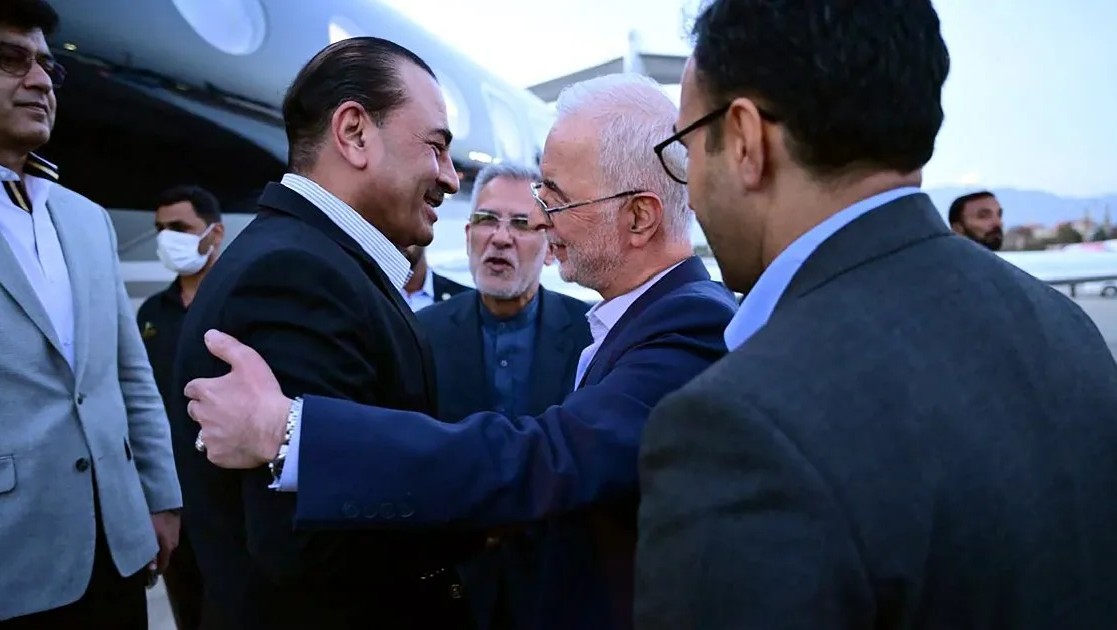
The latest developments gained momentum following the visit of Pakistan’s Chief of Army Staff, General Asim Munir, to Tehran, where he held extended talks with Iranian Foreign Minister Abbas Araghchi. The meeting, which reportedly continued late into the night, is being viewed by diplomatic observers as part of a coordinated attempt to keep communication channels open amid complex regional tensions.
General Munir’s visit was preceded by Pakistan’s Interior Minister Mohsin Naqvi, who spent several days in Tehran preparing ground for high-level engagements. The sequence of visits highlights Pakistan’s increasing role as a facilitator in backchannel diplomacy aimed at easing regional friction.
According to diplomatic sources, Araghchi has also been in contact with counterparts in Turkey, Iraq, and Qatar, reflecting the widening scope of engagement. A Qatari delegation is also present in Tehran, contributing to discussions that are being described as multi-layered and ongoing.
In parallel, Pakistan’s Prime Minister Shehbaz Sharif traveled to China as part of broader consultations linked to regional stability efforts. Meanwhile, the United Nations Secretary-General António Guterres was briefed by Iranian officials in a phone call outlining the current state of negotiations and diplomatic progress.
Despite the increased diplomatic activity, officials have urged caution. Iranian Foreign Ministry spokesperson Esmail Baghaei emphasized that while engagement has intensified, no agreement has been reached. He noted that “significant differences remain” between the parties and that ongoing efforts are focused on narrowing those gaps rather than announcing any immediate breakthrough.
Analysts say the current phase reflects a structured but fragile diplomatic process involving multiple intermediaries. Pakistan’s role, alongside engagement from Gulf and regional powers, is being seen as an attempt to create a stable communication framework that could eventually support formal negotiations between Tehran and Washington.
The situation remains fluid, with diplomats continuing discussions across several parallel channels. While optimism has grown in some quarters, officials involved in the process stress that substantial political and strategic disagreements still need to be resolved before any durable agreement can be reached.