







Green Party Leaders Urge Listening to Reform UK Voters as Focus Turns to Inequality and Political Discontent
Senior Green Party figures have warned that the party must better understand and engage with voters drawn to Reform UK, arguing that many are motivated by deeper concerns over inequality, economic insecurity and political neglect rather than ideology alone.
Zack Polanski and Caroline Lucas have both stressed that sections of the electorate who have shifted towards Nigel Farage’s Reform UK represent communities that feel increasingly disconnected from mainstream politics. They argue that unless those concerns are addressed directly, frustration could continue to fuel support for populist movements across the country.
The Greens’ leadership has suggested that issues such as the rising cost of living, housing pressures, stagnating wages and declining public services are central to this political realignment. Rather than dismissing Reform voters, they say parties should focus on understanding the economic and social conditions that have shaped their choices.
Polanski has emphasised the importance of building a broader political conversation around inequality, arguing that environmental policy must be linked with social justice in order to remain relevant to working-class communities. Lucas, a former Green Party leader, has echoed this view, warning that ignoring voters who feel left behind risks deepening political fragmentation.
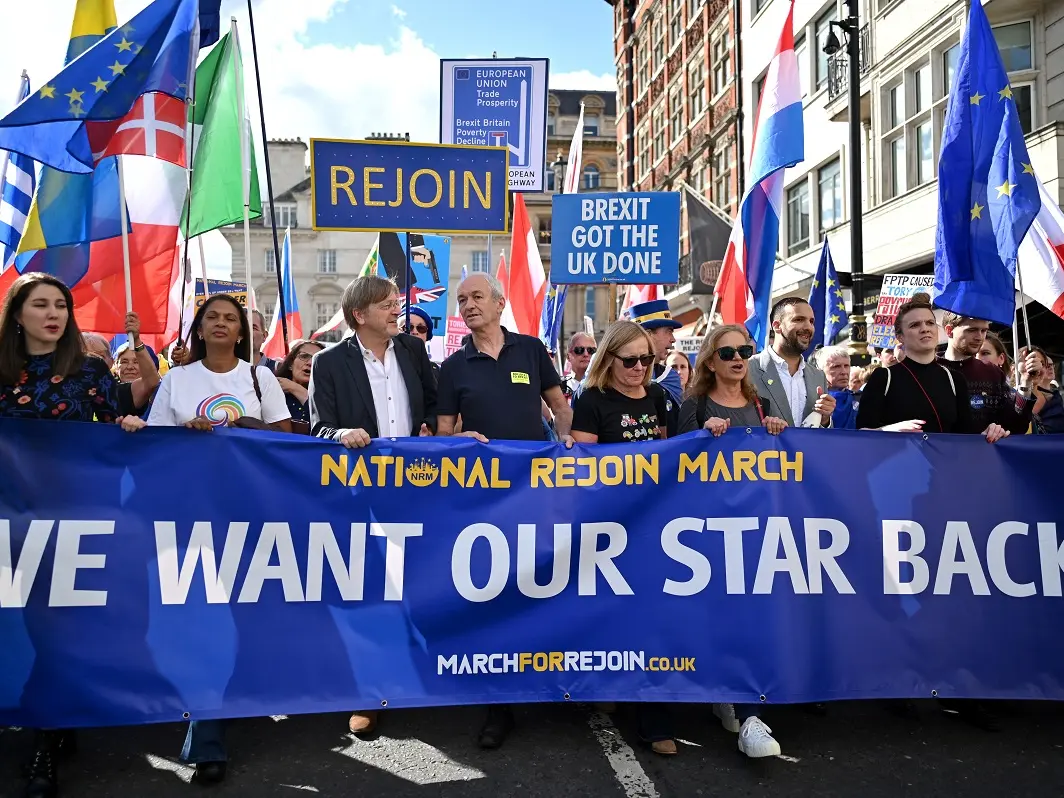
The comments come at a time of shifting electoral dynamics in British politics, with Reform UK gaining traction in parts of the country where traditional party loyalties have weakened. Analysts say this reflects wider dissatisfaction with established parties and a growing appetite for alternative voices.
Green Party strategists believe that addressing these concerns does not mean compromising on core environmental principles, but rather expanding the party’s focus to include economic fairness and everyday living standards. They argue that climate policy and social policy are increasingly intertwined, particularly as households face rising energy costs and economic uncertainty.
The debate within the party reflects a broader question facing UK politics: how to respond to voters who feel excluded from decision-making processes. For the Greens, the challenge is to balance principled environmental action with a message that resonates with communities experiencing financial and social strain.
As the political landscape continues to evolve, Green leaders say the path forward lies in listening more closely, engaging more directly, and recognising that the roots of voter frustration are often economic rather than purely ideological.