







Global Passport Rankings Shift as Asian Nations Dominate Mobility Index
The latest global passport rankings for 2026 highlight a changing world order in international travel freedom, with Asian countries continuing to lead and several traditional Western powers seeing slower progress in global mobility access.
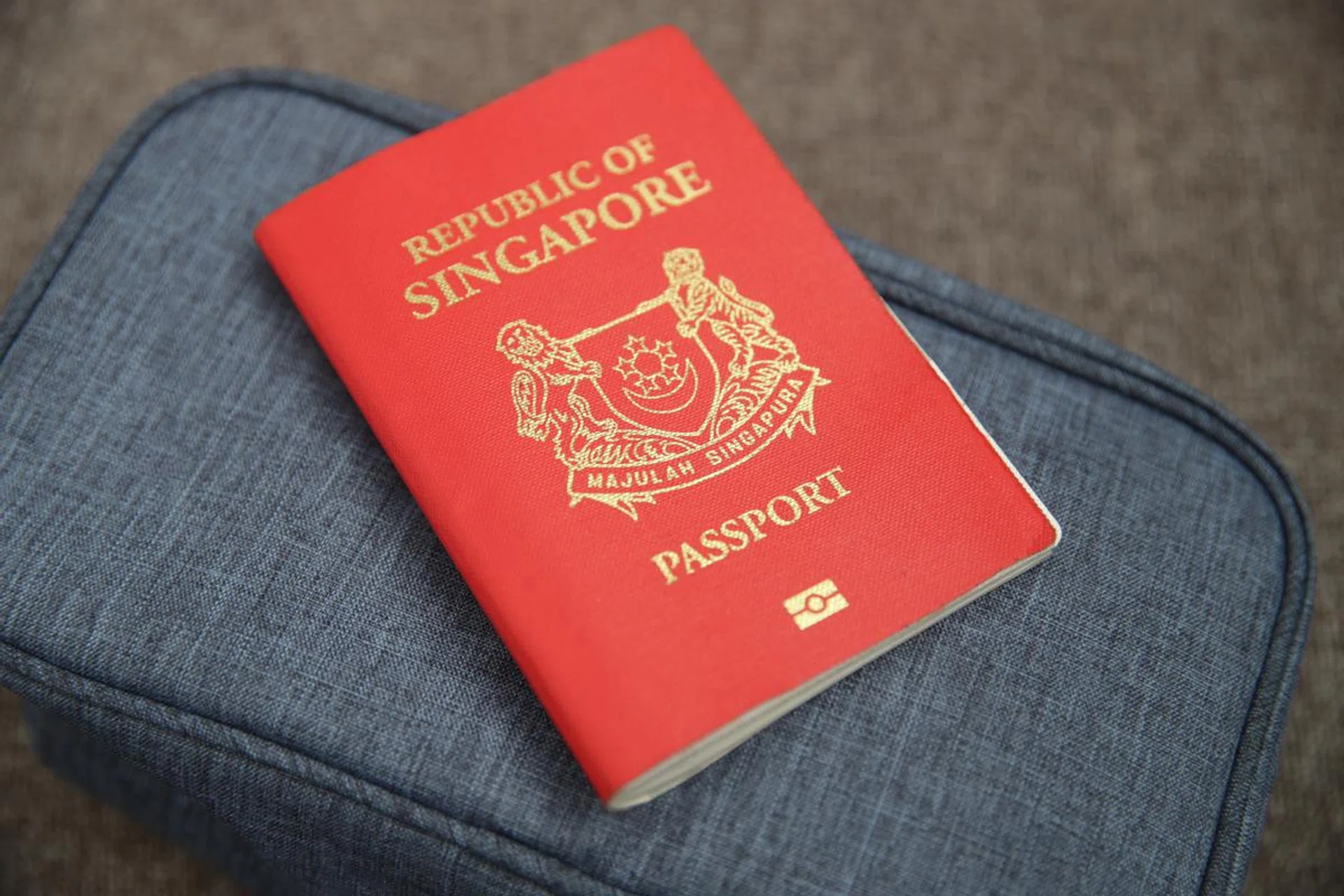
Singapore holds the top position once again, offering its citizens visa-free or visa-on-arrival access to more destinations than any other nation. Close behind, Japan and South Korea maintain strong positions, reflecting their continued diplomatic strength and extensive international agreements that allow seamless global travel.
European nations remain highly competitive in the upper tier of the rankings, with countries such as Germany, France, Italy, Spain, and the Netherlands retaining access to most major global destinations without requiring advance visas. Their consistent performance underscores the strength of the European Union’s collective travel agreements and international partnerships.
The United Arab Emirates continues its rapid rise in global mobility rankings, emerging as one of the fastest-improving passports in the world over the past decade. Expanded diplomatic outreach and strategic visa agreements have significantly boosted its global standing.
In contrast, the United States remains outside the very top positions, reflecting a gradual decline in relative passport strength compared to earlier years. Analysts suggest that while American citizens still enjoy broad global access, other nations have accelerated their diplomatic reach, narrowing the gap in international travel freedom.
India has also shown steady improvement, with increasing visa-free access to more countries than in previous years. This growth is linked to expanding economic partnerships and stronger international relations across Asia, Africa, and the Middle East.
Experts say passport rankings are no longer just a measure of travel convenience but a reflection of geopolitical influence, diplomatic strategy, and global economic integration. Countries actively building international partnerships are seeing faster gains in mobility, while others are experiencing slower changes.
The 2026 rankings underscore a broader global shift, where emerging economies are steadily strengthening their global footprint and reshaping the balance of international mobility.
As global travel continues to recover and expand, passport power remains one of the clearest indicators of a nation’s influence in an increasingly interconnected world.