







UK Political Hatred and Division ‘Worse Than Brexit Era,’ Says Kim Leadbeater
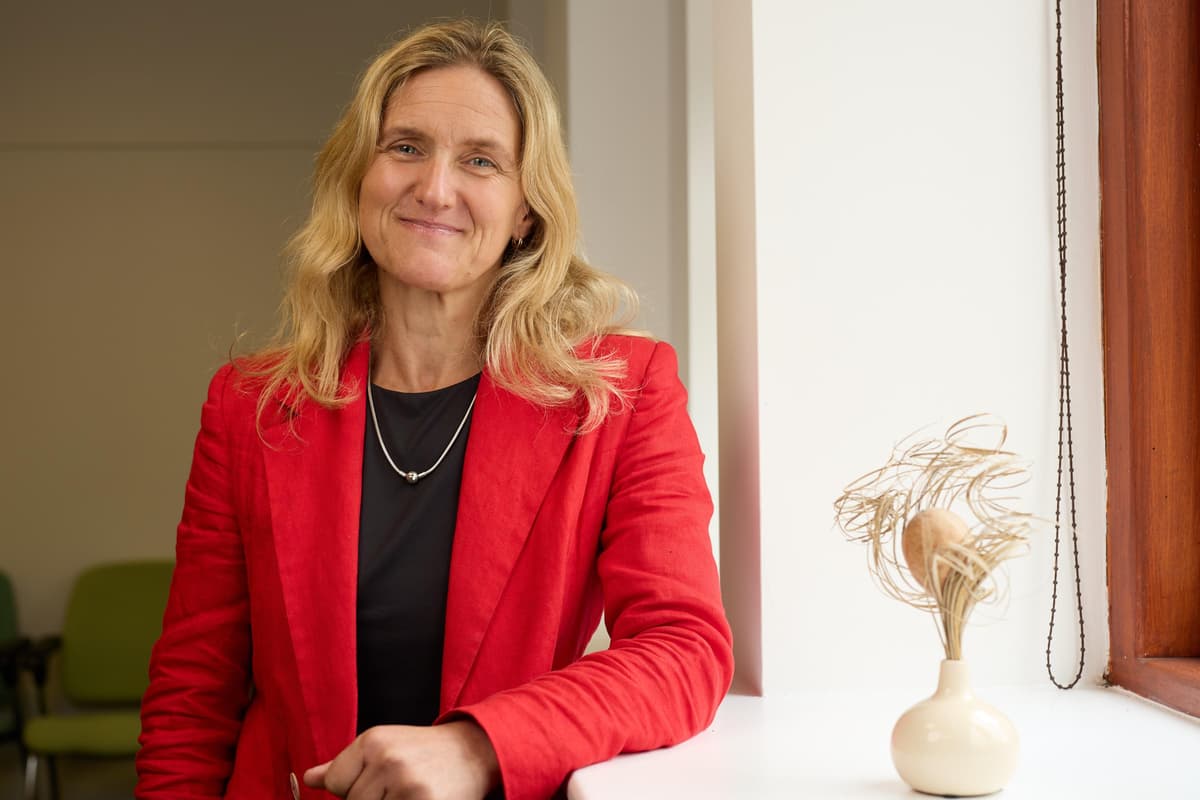
Political hatred and division in the United Kingdom may now be more severe than during the Brexit referendum period, according to Labour MP Kim Leadbeater, who has warned that public life is becoming increasingly toxic and polarised.
Speaking in an interview marking the 10th anniversary of the murder of her sister, MP Jo Cox, Leadbeater reflected on the long-term impact of political violence and rising tensions in public debate. Jo Cox was killed in 2016 by a far-right extremist during the heated weeks leading up to the Brexit vote, an event that shocked the country and prompted widespread calls for greater civility in politics.
Leadbeater said that although there were promises at the time to reduce hostility and promote compassion in political discourse, those efforts were short-lived. In her view, the tone of debate has since deteriorated, with online and public rhetoric becoming more aggressive and divisive over the past decade.
She stressed that those who promote division represent a minority, but are often highly vocal and influential in shaping public perception. According to Leadbeater, it is the responsibility of the wider political community and society to counteract this by amplifying messages of unity and highlighting positive stories within the country.
Everyone in public life, she argued, has a role to play in reducing tensions and preventing further escalation of hostility. She warned that failure to do so risks normalising extreme rhetoric and deepening societal fractures.
Her comments come amid renewed discussion about political violence and public unrest following recent incidents that have sparked debate across the UK. Leadbeater said these events should serve as a reminder of the consequences of division and the importance of maintaining respectful democratic discourse.
Reflecting on her sister’s legacy, she said the anniversary of Jo Cox’s murder should not only be a moment of remembrance but also an opportunity to reassess the direction of political culture in Britain. In her view, the country must “look at how we can change that narrative” and rebuild a sense of shared understanding.
As the anniversary approaches, her message highlights a broader concern among many public figures: that without conscious effort to reduce polarisation, political discourse risks becoming even more fragmented and hostile in the years ahead.