








Trump Says US–Iran Deal to End Fighting Could Be Signed on Sunday Amid Diplomatic Uncertainty
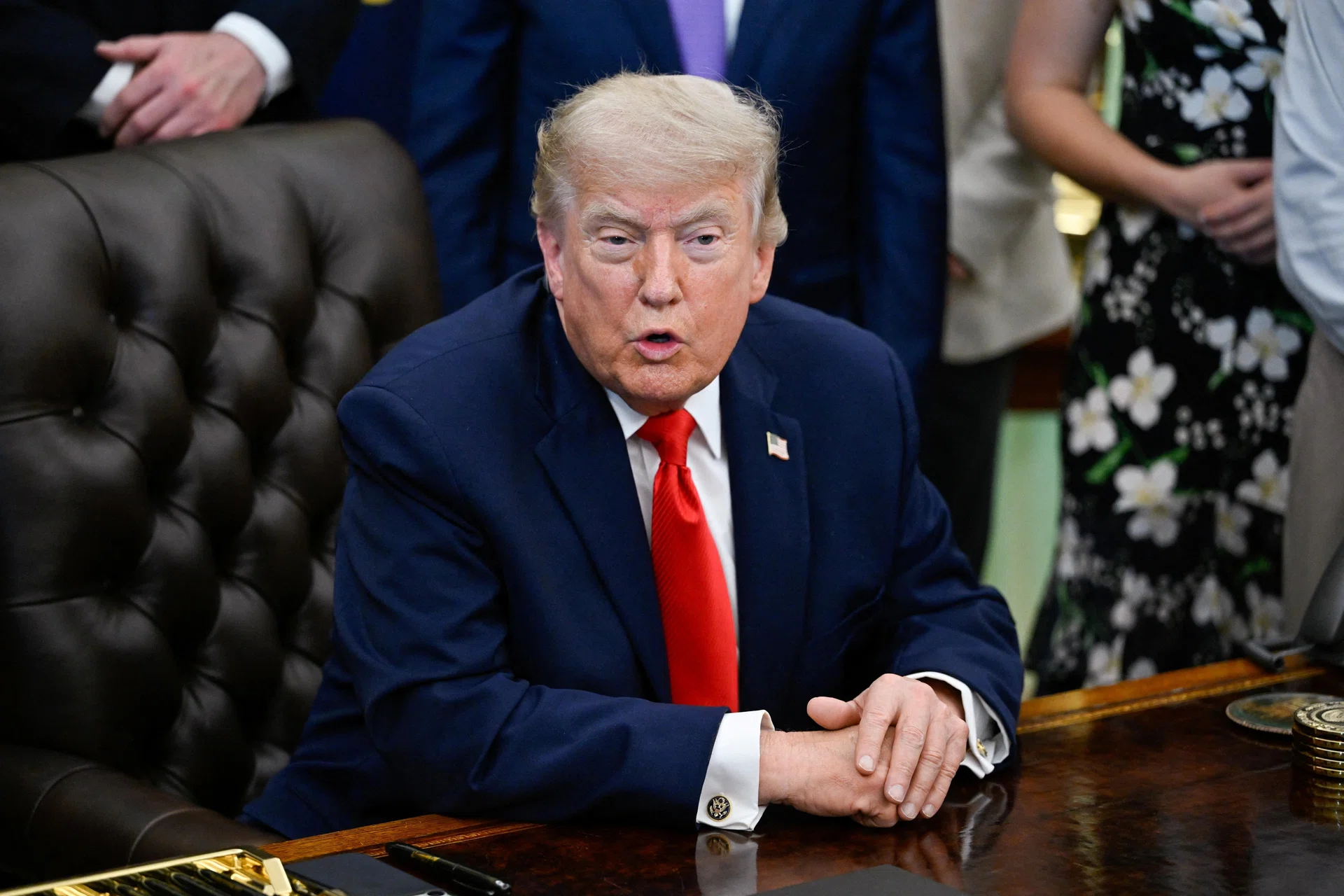
Former U.S. President Donald Trump has said that a deal aimed at ending fighting between the United States and Iran is scheduled to be signed on Sunday, in what could mark a major breakthrough in long-running tensions between the two countries. However, Iranian officials have expressed caution over the timeline, saying that while negotiations are ongoing, the exact timing of any signing remains uncertain.
In comments posted on social media, Trump said the agreement would be signed “tomorrow” and suggested that, once in place, the Strait of Hormuz—a vital global shipping route—would be “open to all.” The waterway is one of the world’s most important energy corridors, through which a significant share of global oil shipments pass, making its security a key concern for international markets.
The announcement follows reports that Pakistan has been involved in mediation efforts between Washington and Tehran. Officials in Pakistan described the agreement as “likely expected” to be finalised within 24 hours and said preparations were underway for what they referred to as an “electronic signing,” indicating that the deal may be concluded remotely.
Despite these developments, Iran has urged caution regarding the proposed timeline. Iranian Foreign Ministry spokesperson Esmaeil Baghaei said that while discussions are continuing, the signing is not expected to take place immediately, adding that “it will not be tomorrow.” The remarks highlight ongoing differences in how quickly both sides expect a final agreement to be reached.
Trump also referred to Iran’s nuclear programme in his comments, suggesting that remaining stockpiles of enriched material would be addressed and eventually destroyed once conditions allow. Western governments have long accused Iran of seeking to develop nuclear weapons, while Tehran maintains that its programme is peaceful and focused on energy production and research.
The former president further warned that if progress does not proceed “quickly, easily and smoothly,” the United States has what he described as “the ultimate alternative,” though he did not provide further details. The statement adds to the uncertainty surrounding the negotiations, even as diplomatic signals suggest movement toward a potential agreement.
The Strait of Hormuz remains a central issue in any broader regional settlement. The narrow waterway is strategically critical for global energy supplies, and any disruption can have immediate effects on international oil prices and shipping routes. As such, proposals linked to its status are closely monitored by governments and markets around the world.
While the possibility of a deal has generated cautious optimism, significant questions remain over whether all parties will be able to agree on final terms within the proposed timeframe. Diplomatic negotiations between the United States and Iran have historically been complex and often subject to last-minute delays or changes.
For now, attention remains focused on whether Sunday will mark a historic signing or another stage in a longer and uncertain diplomatic process between Washington and Tehran.