









Andy Burnham’s Push for Public Ownership of Water and Energy Could Reshape UK Economy, Allies Say
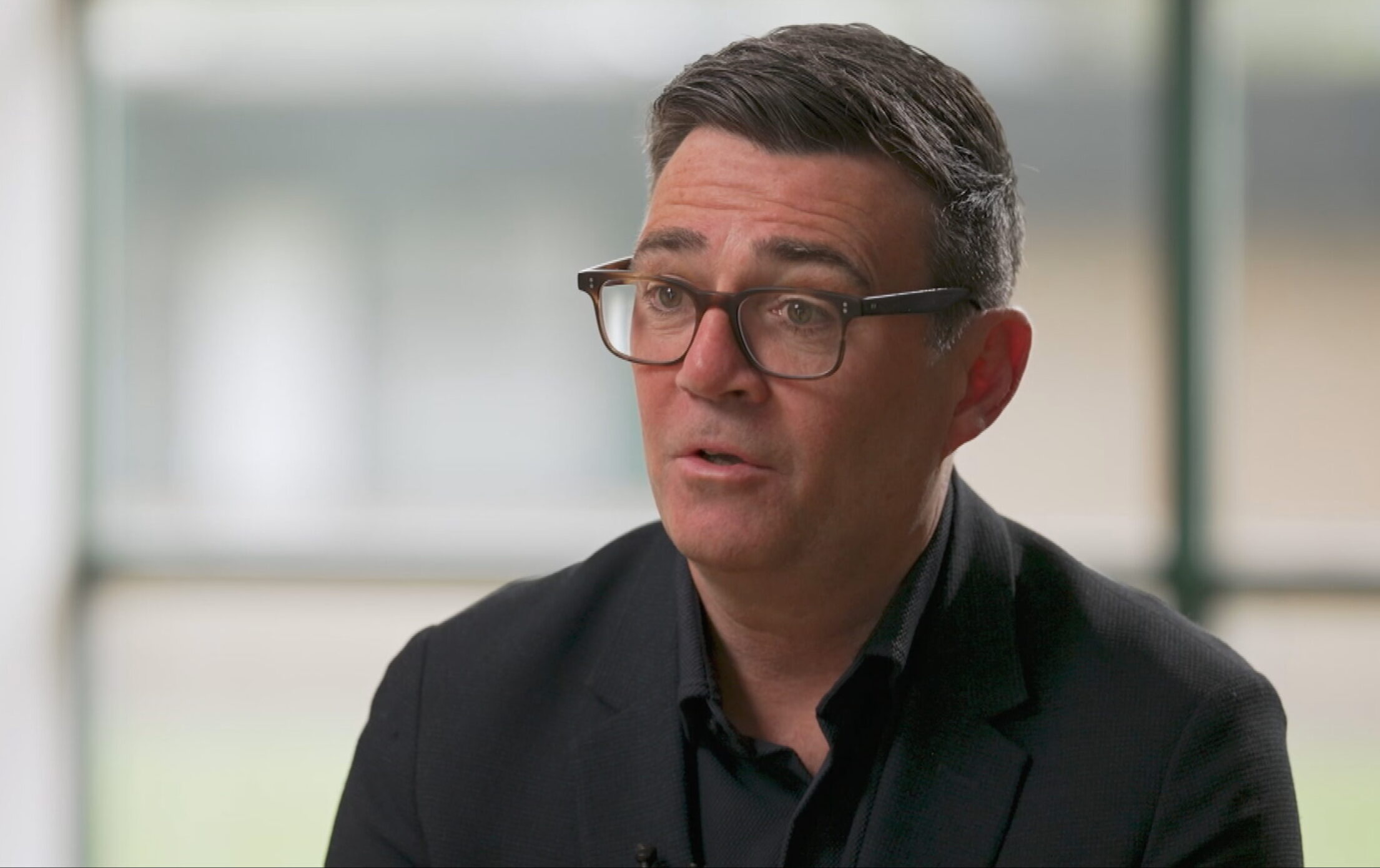
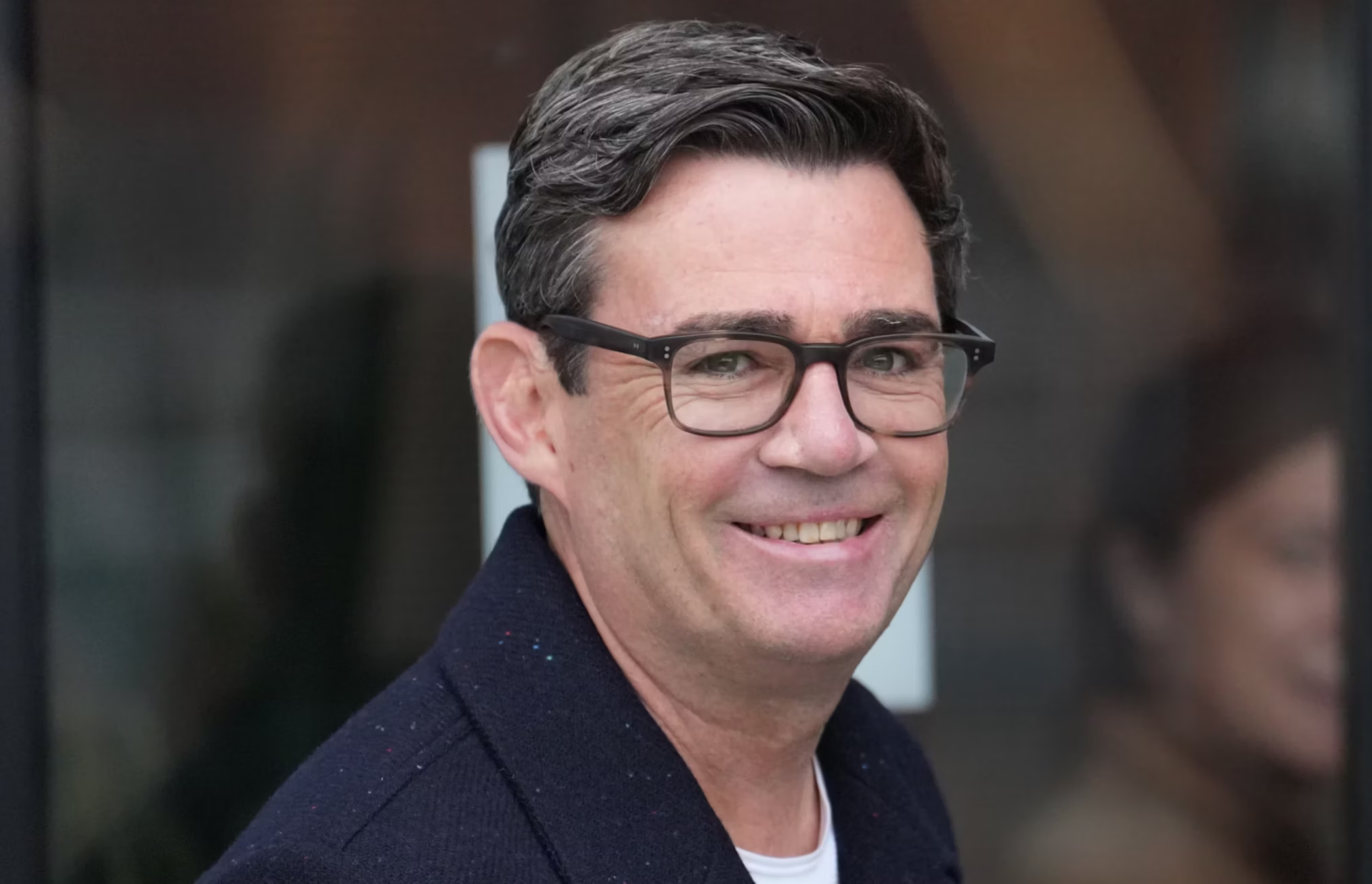
Plans to bring key utilities such as water and energy back under public control could become a central pillar of Andy Burnham’s political agenda if he becomes Prime Minister, according to sources close to the Greater Manchester mayor. The proposals, which insiders describe as “serious and long-term,” would represent one of the most significant shifts in UK economic policy in decades.
Burnham is reportedly considering a major restructuring of how essential services are owned and managed, with the aim of placing water and energy systems under public ownership. Supporters of the idea argue that such a move could improve service reliability, increase accountability, and potentially reduce household bills over time.
However, the scale of the proposal would be unprecedented in modern British politics. It would amount to a reversal of decades of privatisation policies that began in the 1980s, potentially bringing large parts of the national infrastructure back under state control. Analysts warn that while public ownership could offer long-term benefits, it would also involve significant financial commitments, including the cost of acquiring assets and maintaining ageing infrastructure.
One ally of Burnham said he was “completely serious” about ensuring that the “essentials of life” are run in the public interest rather than for private profit. The phrase has become increasingly associated with his broader political messaging, which focuses on reducing inequality and increasing public accountability in essential services.
Burnham himself has previously argued that water and energy systems should serve the public good rather than commercial interests, although he has yet to outline a detailed national plan explaining how such a transition would be implemented in practice. Questions remain over funding, regulatory frameworks, and the long-term economic impact of such a large-scale policy shift.
Critics of the proposal argue that bringing utilities back into public ownership could place a heavy burden on taxpayers, particularly given the estimated costs of upgrading infrastructure and managing operational systems. They also warn that such a move could create new bureaucratic challenges and reduce private sector investment in the sector.
Despite these concerns, the idea is gaining attention within political circles, with supporters viewing it as a potential response to rising utility bills and growing dissatisfaction with privatized service providers.
As debate continues, Burnham’s stance on public ownership is likely to remain a defining feature of discussions about the future direction of UK politics and economic policy, especially as questions about cost of living and infrastructure resilience become increasingly urgent.
While no formal national plan has been announced, the direction of his messaging suggests that the role of the state in providing essential services could become a central issue in any future leadership bid.