







US Reinstates Iranian Oil Sanctions After Strait of Hormuz Vessel Attacks
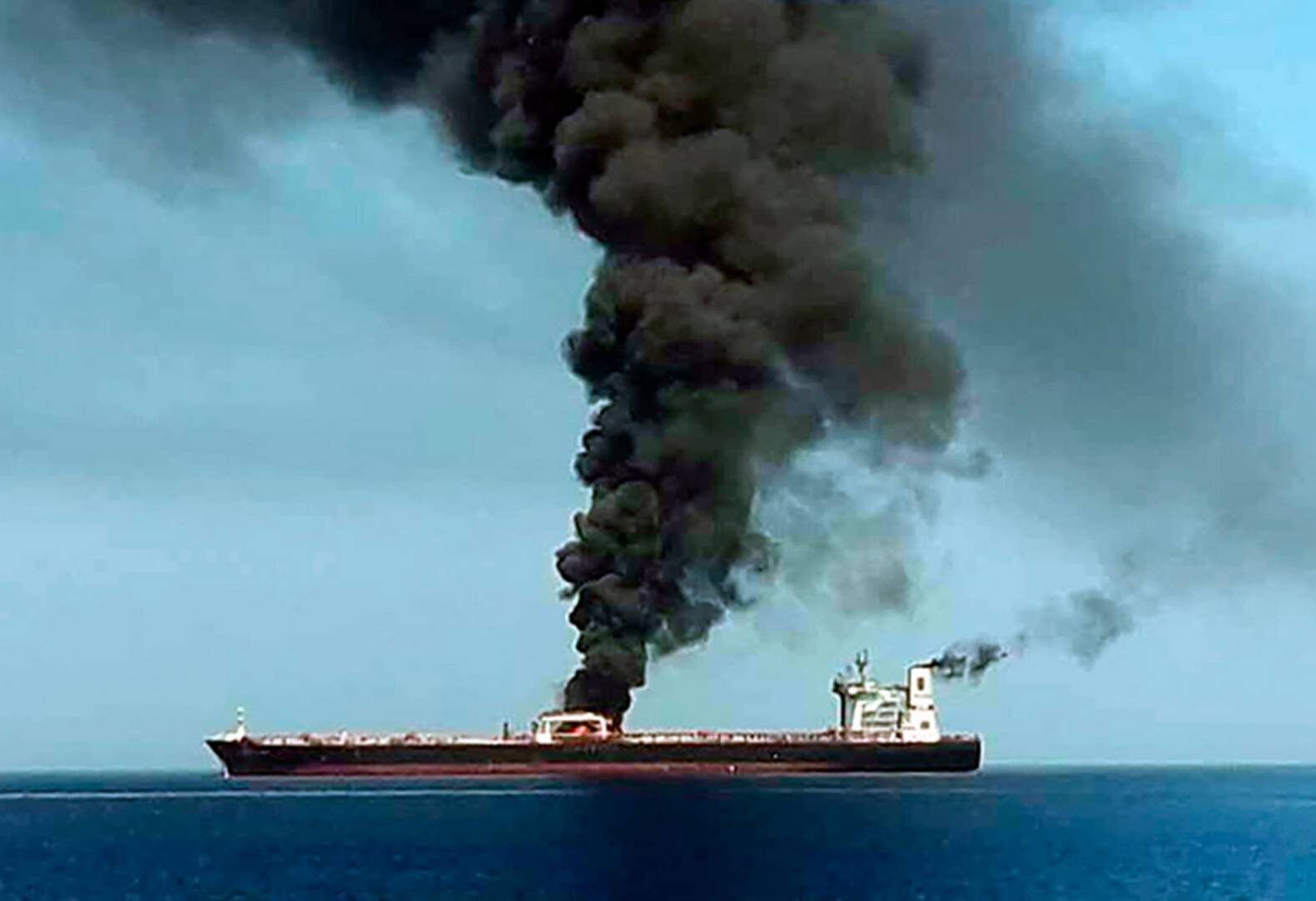
The United States has reinstated sanctions on Iranian oil sales following attacks on vessels in the Strait of Hormuz, escalating pressure on Tehran and creating fresh uncertainty in global energy markets. The move comes as Washington warned that attacks on commercial shipping routes would face serious consequences.
The U.S. government announced the return of restrictions on Iranian oil exports after previously allowing limited sales under a fragile agreement between Washington and Tehran. The Treasury Department had authorized Iranian oil transactions until August 21, but the latest decision shortens the permitted wind-down period, with the new deadline set for July 17.
A U.S. official described Iran’s reported attacks on vessels in the strategic Strait of Hormuz as “wholly unacceptable,” saying the actions threatened international shipping and regional stability. The official added that discussions between the two countries were continuing in good faith toward a possible final agreement, despite the renewed tensions.
The Strait of Hormuz is one of the world’s most important energy routes, with a significant portion of global oil supplies passing through the narrow waterway. Any disruption in the region has the potential to affect energy prices, shipping costs, and international markets.
Following the announcement, oil prices rose sharply, gaining more than 5% as traders reacted to concerns about possible supply disruptions and further instability in the Middle East. Investors are closely monitoring developments as the sanctions could affect Iran’s ability to export crude oil and generate revenue.
Iran has previously relied heavily on oil exports despite international restrictions, using various methods to continue selling crude to global buyers. The renewed U.S. sanctions are expected to increase pressure on Iran’s energy sector and could complicate ongoing diplomatic efforts.
The latest action adds another challenge to already strained relations between Washington and Tehran. Both sides have faced disagreements over security issues, regional influence, and energy policies, while international observers continue to call for diplomatic solutions to prevent further escalation.
Energy analysts said the impact of the sanctions will depend on how markets respond, whether enforcement measures expand, and whether tensions in the Strait of Hormuz continue to rise.
As the United States increases economic pressure on Iran, governments and businesses worldwide are watching closely for possible effects on fuel prices, shipping routes, and global energy security. The coming weeks are expected to be critical in determining whether diplomatic negotiations can prevent further confrontation between the two countries.