








UK’s Underwater Seagrass ‘Forests’ Under Threat as Sewage and Farm Pollution Drives Sharp Decline in Marine Life
A new scientific investigation into the health of the UK’s coastal ecosystems has revealed that pollution from sewage and agriculture is having a far more damaging impact on underwater “forests” than previously understood, with significant consequences for marine biodiversity.
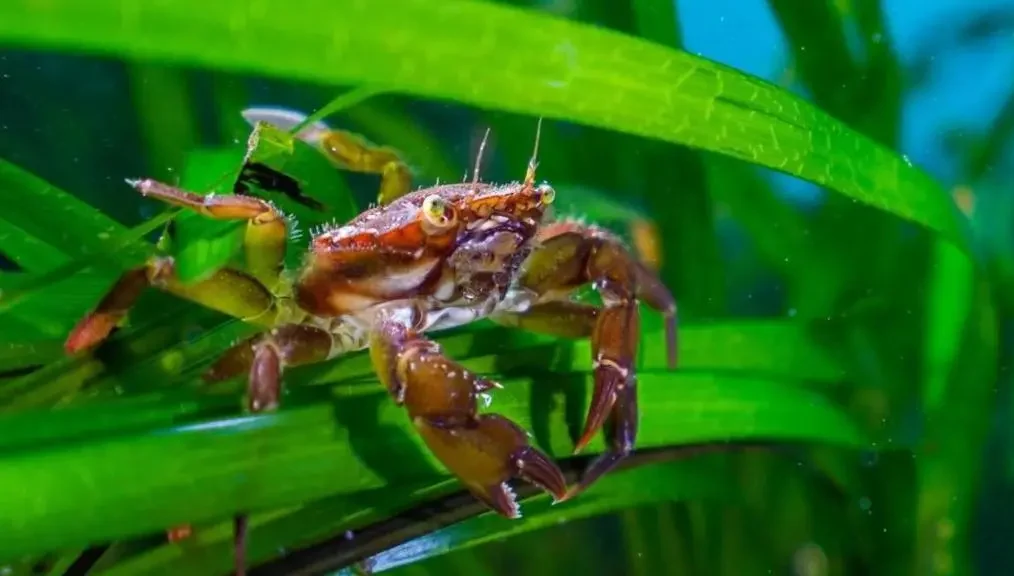
Researchers studying seagrass meadows around the Orkney Islands in Scotland observed a striking decline in the number of small invertebrates living within polluted sites compared to cleaner areas. Among the species affected was the small orange shore crab Carcinus maenas, which is typically commonly found sheltering and feeding among seagrass blades. In heavily polluted waters, however, these crabs and other invertebrates were far less abundant.
Scientists say the findings are alarming because seagrass ecosystems play a vital role in supporting marine life, storing carbon, and protecting coastlines from erosion. Often described as underwater forests, these habitats provide food and shelter for a wide range of species, from tiny crustaceans to fish that support larger marine food chains. When these ecosystems decline, the effects ripple outward through the entire coastal environment.
The study links the degradation of seagrass meadows to nutrient pollution from agricultural runoff and untreated or partially treated sewage entering coastal waters. Excess nutrients such as nitrogen and phosphorus can trigger algal growth that blocks sunlight, while also altering sediment conditions in ways that make it harder for seagrass to thrive. Over time, this leads to habitat loss and a collapse in biodiversity.
Researchers observed that meadows exposed to higher pollution levels supported significantly fewer small invertebrates, suggesting that the entire ecological structure of these environments is being disrupted. This decline not only threatens marine species but also reduces the natural benefits that seagrass provides, including carbon storage and water filtration.
Environmental scientists are warning that the situation reflects a broader challenge facing coastal waters across the UK and beyond. Without stronger controls on agricultural runoff and improved wastewater treatment infrastructure, seagrass habitats could continue to decline, accelerating biodiversity loss and weakening natural coastal protection systems.
The findings add to growing pressure on policymakers to address water quality issues more aggressively, as scientists stress that protecting seagrass is not only about conserving wildlife but also about safeguarding climate resilience and coastal stability for the future.