










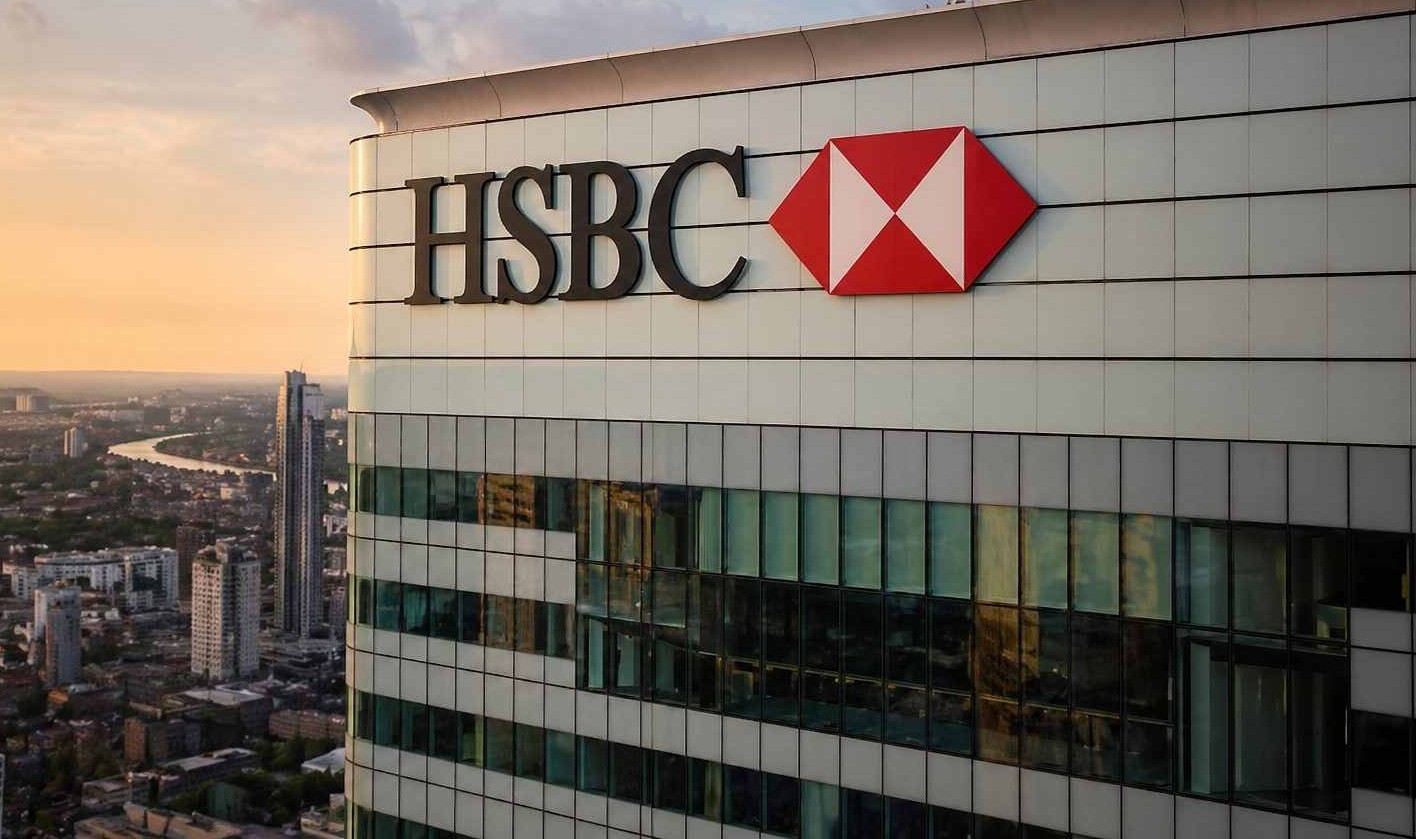
HSBC Shares Slide After $400 Million Shock Loss Linked to MFS Collapse
Global banking giant HSBC Holdings saw its shares fall sharply after reporting an unexpected $400 million hit tied to the collapse of British mortgage lender Market Financial Solutions (MFS), rattling investor confidence and reigniting concerns over private credit risk exposure in the financial sector.
The loss, disclosed on Tuesday, stems from HSBC’s exposure to MFS, a UK-based mortgage lender that recently collapsed under financial pressure. The announcement triggered a swift market reaction, with HSBC shares dropping around 6% as investors reassessed the bank’s risk management practices and exposure to the increasingly opaque private credit market.
The development has raised broader questions across the banking industry about the stability and transparency of lending to non-bank financial institutions. Private credit markets have expanded rapidly in recent years, offering higher yields but also carrying elevated risks due to lower regulatory oversight compared to traditional banking channels.
Analysts suggest that the incident could prompt closer scrutiny of how major banks assess counterparty risk in alternative lending segments. While HSBC remains one of the world’s largest and most diversified financial institutions, the unexpected nature of the loss highlights potential vulnerabilities even within well-capitalized global banks.
Market reaction was immediate, with investors weighing the possibility that similar exposures could exist across other major lenders. Concerns over contagion risk in private credit markets briefly pressured broader banking stocks, reflecting growing caution in a sector already sensitive to interest rate shifts and credit quality concerns.
Despite the setback, HSBC’s long-term fundamentals remain supported by its strong presence in Asia and diversified global operations. However, the incident is likely to intensify internal reviews and external regulatory attention on how large banks manage exposure to non-traditional lending structures.
The episode serves as a reminder that even in a stabilizing global financial environment, hidden risks within complex credit ecosystems can surface suddenly, impacting market sentiment and triggering sharp equity movements.