





WMO Warns El Niño Could Make 2027 the Hottest Year on Record
The world may be heading toward another period of extreme heat as the World Meteorological Organization (WMO) warns that El Niño conditions are likely to return in the coming months. According to the latest WMO forecast, there is an 80% chance that El Niño will develop between June and August 2026, with the probability rising to around 90% by the end of the year. Scientists say the climate phenomenon could significantly increase global temperatures and potentially make 2027 the hottest year ever recorded.
El Niño is a naturally occurring climate pattern that develops when sea surface temperatures in the central and eastern Pacific Ocean become unusually warm. While it occurs every few years, its effects can be felt worldwide, influencing rainfall, droughts, storms, and heatwaves across many regions.
Climate experts are particularly concerned because the last major El Niño event in 2023–2024 contributed to 2024 becoming the hottest year on record. The combination of El Niño and human-caused climate change pushed global temperatures to unprecedented levels. Scientists now warn that a new El Niño event developing in 2026 could have an even greater impact, especially as greenhouse gas concentrations continue to rise.
The WMO says unusually warm ocean waters in the tropical Pacific are already fueling the development of El Niño. Forecast models suggest that the event could become moderate to strong, although its exact intensity remains uncertain. Historically, the strongest effects of El Niño on global temperatures are often felt during the year following its development, which is why researchers are closely watching 2027.
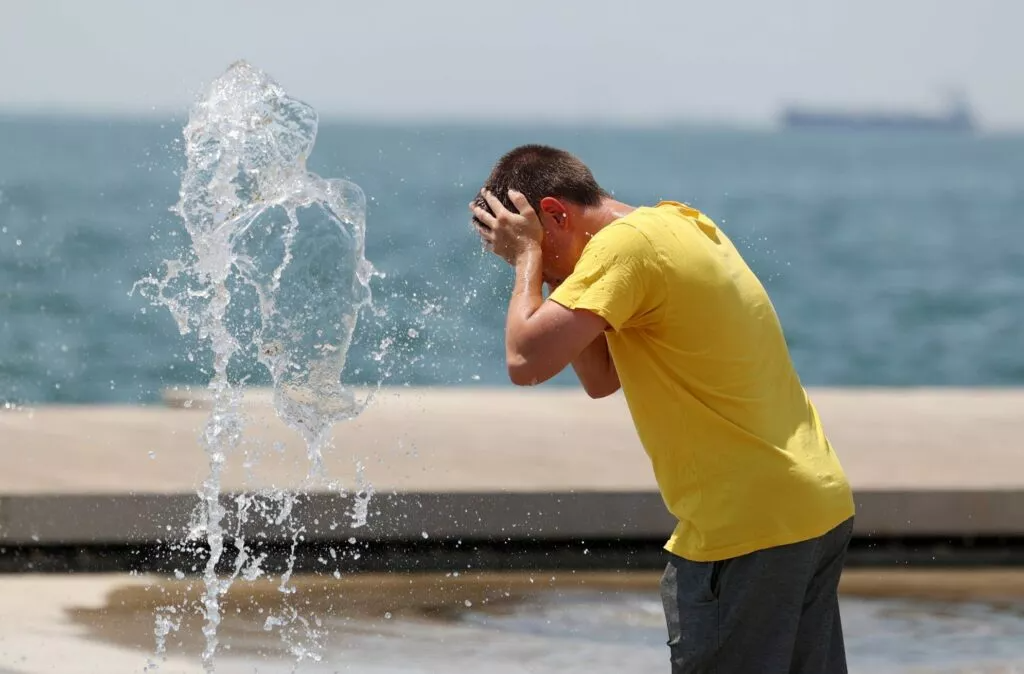
Scientists warn that the return of El Niño could trigger a range of extreme weather events around the globe. Some regions may experience severe droughts and water shortages, while others could face heavy rainfall, flooding, and stronger storms. Heatwaves are also expected to become more frequent and intense, placing additional pressure on public health systems, agriculture, water supplies, and energy infrastructure.
The United Nations has urged governments to strengthen early-warning systems and climate preparedness measures. WMO Secretary-General Celeste Saulo emphasized that seasonal forecasts and climate monitoring can help communities prepare for potential impacts and reduce risks to lives and livelihoods.
As the planet continues to warm due to human activities, scientists stress that El Niño is no longer acting alone. Climate change is amplifying its effects, making heatwaves, floods, and droughts more severe than in the past. If current projections hold true, 2027 could become another milestone in the world’s climate record—one that underscores the urgent need for global action on climate change.