







Robin Hood’s Dark Return: How Modern Storytelling Is Reclaiming the Legend’s Violent Origins
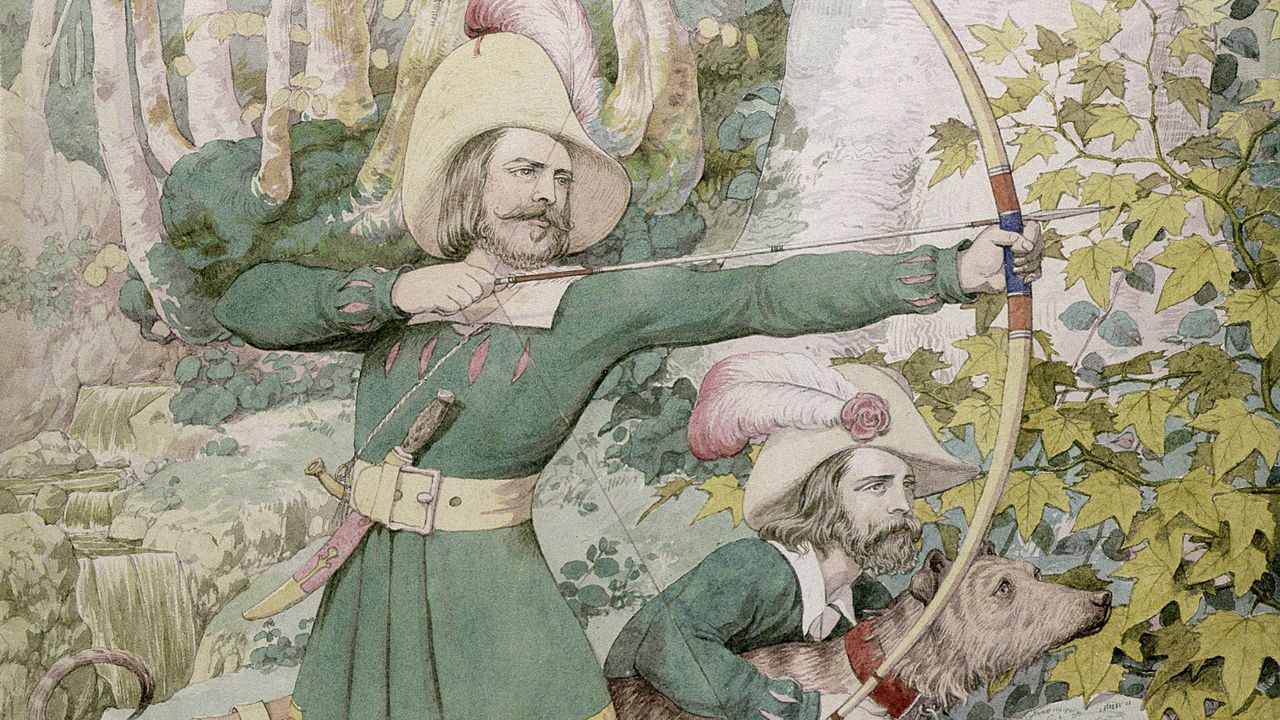
Robin Hood has long been one of the most recognisable figures in English folklore, a symbol of rebellion, justice and the triumph of the poor over the rich. But behind the familiar image of a cheerful outlaw in green tights lies a far older and far darker tradition—one that modern filmmakers are now beginning to revisit with renewed seriousness.
The legend of Robin Hood first emerged in oral traditions during the 12th century, passed down through ballads and stories that were far less sanitised than the versions most audiences know today. In these earliest accounts, Robin was not necessarily a noble hero, but a violent outlaw operating on the margins of medieval society, shaped by lawlessness, survival and revenge rather than altruistic ideals.
Over time, however, the character was reshaped through literature, theatre and eventually film into a more family-friendly symbol of resistance. This transformation reached its cultural peak in adaptations such as Disney’s 1973 animated Robin Hood, which reimagined the outlaw as a charming fox who steals from the rich to help the poor while maintaining a light, humorous tone.
Now, new adaptations are pushing back against that softened image. One of the most striking reinterpretations comes from director Michael Sarnoski in his upcoming film The Death of Robin Hood, which presents a radically different vision of the legendary figure. The film stars Hugh Jackman as an ageing, battle-worn Robin Hood, reflecting on a lifetime of violence and myth-making as he approaches the end of his life.
Rather than celebrating heroism, the story examines the psychological weight of legend itself. In one pivotal moment, Robin rejects the idealised version of himself, telling a character who praises his supposed nobility that the truth has been distorted over time. He dismisses the heroic narrative entirely, describing himself not as a saviour of the poor, but as a man driven by violence and self-interest.
The film’s tone marks a significant departure from traditional adaptations, leaning into moral ambiguity rather than clear-cut heroism. By stripping away the romanticised image of Robin Hood, Sarnoski invites audiences to reconsider how legends are formed and what is lost when history is reshaped into myth.
This darker interpretation reflects a broader trend in contemporary storytelling, where iconic figures are increasingly re-examined through more realistic or psychologically complex lenses. Rather than preserving comforting myths, filmmakers are exploring the contradictions and consequences behind them.
As The Death of Robin Hood suggests, the legendary outlaw may be less a symbol of justice and more a reflection of how societies choose to remember and sometimes rewrite the past.