

Lai Warns of Rising Chinese Pressure as Taiwan Expands Defence Push and Seeks US Arms Deal
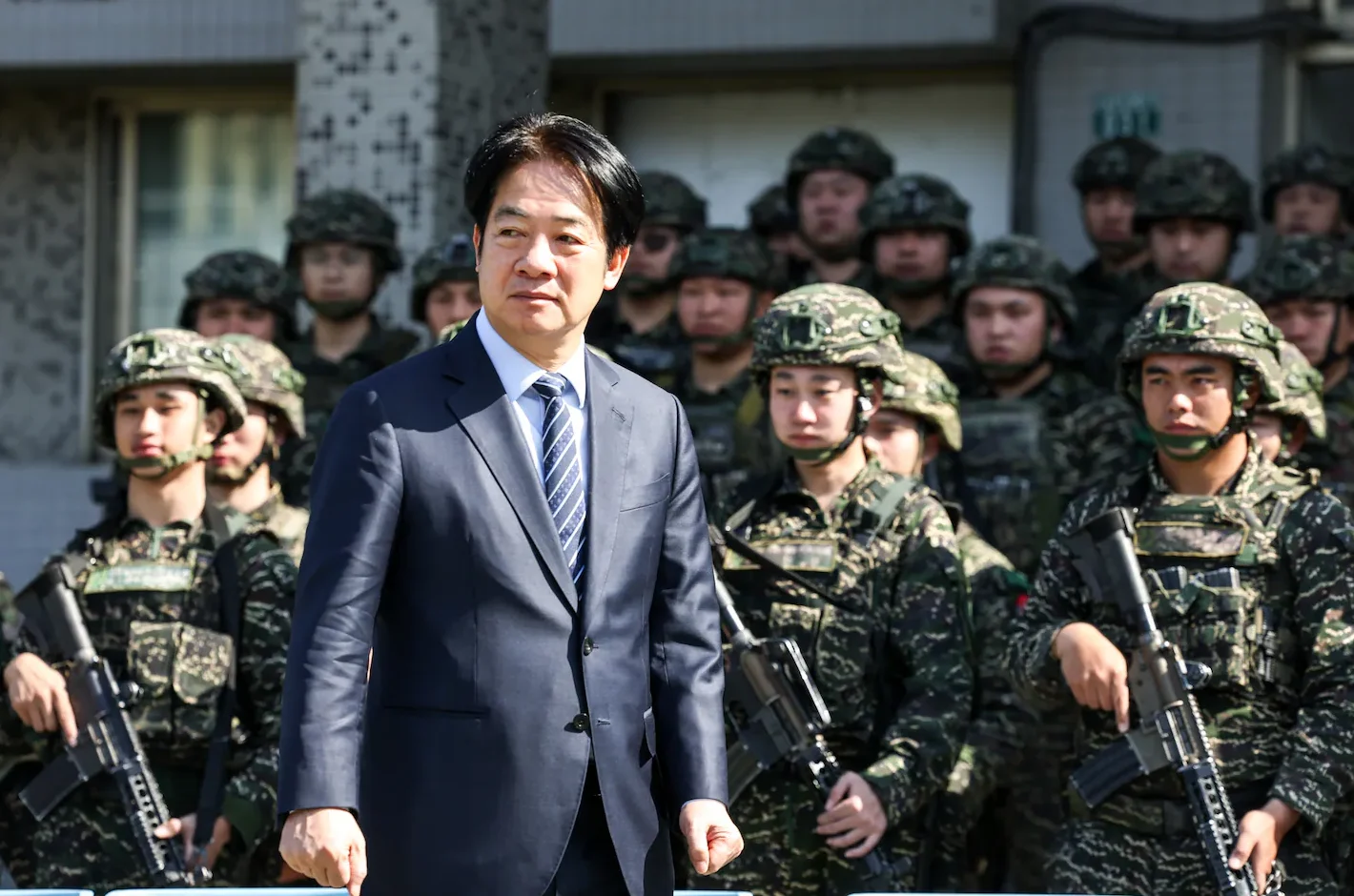
Taiwan’s President Lai Ching-te has warned that China’s “coercion is intensifying,” as he reiterated that the island’s efforts to defend itself and reject rule by Beijing should not be viewed as provocation.
Speaking to the Taiwan Foreign Correspondents’ Club in Taipei on Thursday, Lai said Taiwan remained open to dialogue with China, but only on the basis of “parity and respect.” He stressed that Taiwan’s future could only be decided by its people, reinforcing the government’s long-standing position against political pressure from Beijing.
China, which considers democratically governed Taiwan part of its territory, has increased military and diplomatic pressure in recent years, including regular air and naval operations near the island. The escalating tensions have raised concerns among regional powers and global allies about the risk of miscalculation in the Taiwan Strait, one of the world’s most sensitive geopolitical flashpoints.
Lai’s comments come at a time when Taiwan is accelerating efforts to strengthen its defence capabilities. The government has announced a $6.7 billion investment plan focused on developing military drones and expanding asymmetric warfare capabilities designed to deter potential aggression. Officials say the initiative is aimed at improving surveillance, response speed and battlefield resilience in the face of growing military pressure.
The president also expressed hope that a new package of U.S. arms sales could be approved soon, underscoring Taiwan’s reliance on Washington as a key security partner. While the United States does not formally recognise Taiwan as a sovereign state, it remains the island’s most important international backer and is legally committed to providing defensive support under the Taiwan Relations Act.
Beijing has repeatedly condemned U.S. arms sales to Taiwan, arguing they violate its sovereignty claims and inflame regional tensions. Washington, however, maintains that its support is consistent with maintaining stability in the Taiwan Strait and deterring unilateral changes to the status quo.
Lai used his remarks to balance reassurance and resolve, signalling that Taiwan does not seek confrontation while making clear it will not accept political subordination. His comments reflect a broader shift in Taipei’s messaging, increasingly focused on resilience, deterrence and international partnerships.
As cross-strait tensions continue to rise, Taiwan’s leadership is seeking to strengthen both its military preparedness and diplomatic visibility. For Lai, the challenge remains navigating pressure from Beijing while sustaining support from global allies without triggering further escalation in an already fragile regional balance.