







What Becomes of Andy Burnham’s Justice Causes as He Steps Toward the Top Job?
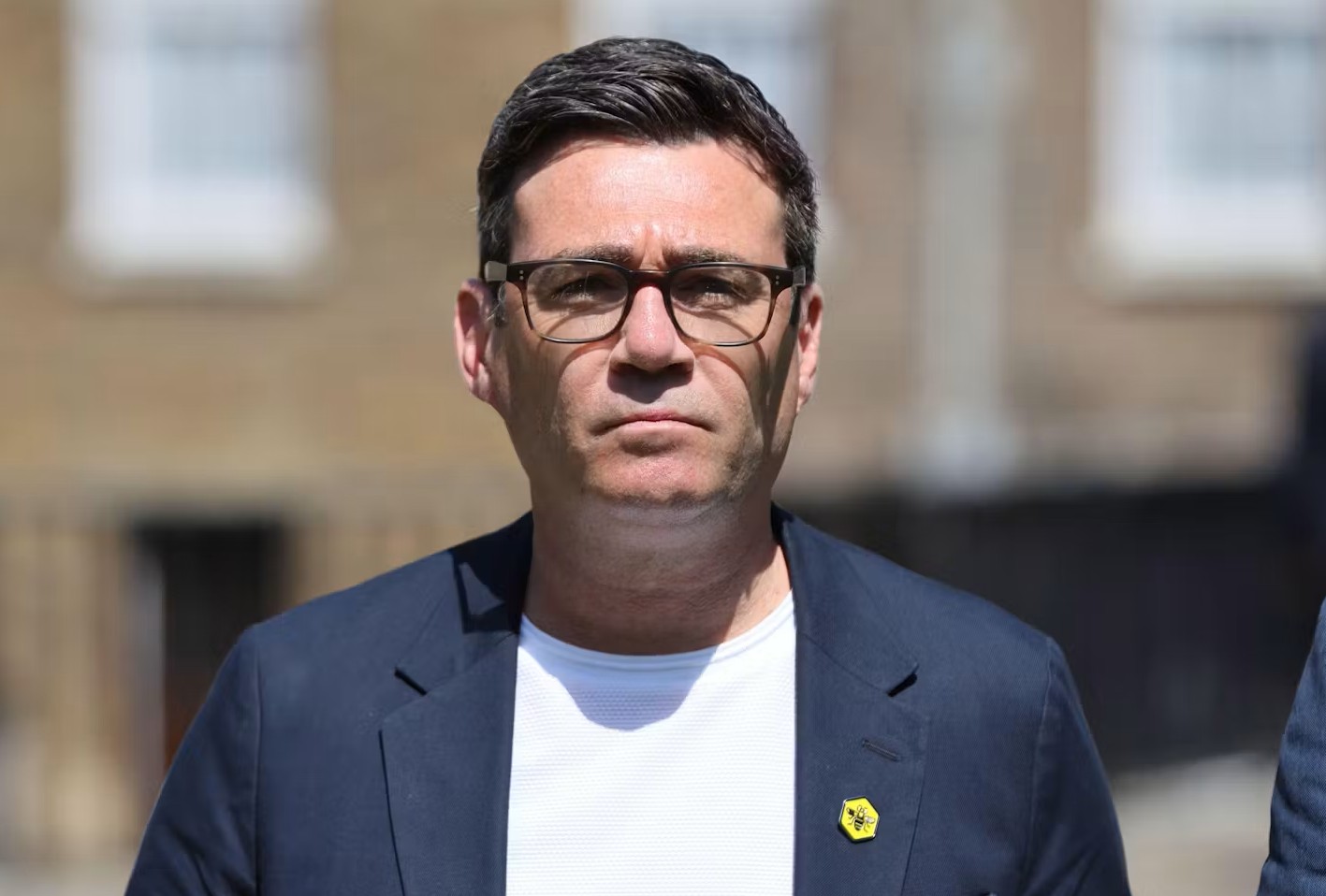
As Andy Burnham moves closer to the highest office in UK politics, attention is turning to the future of the social justice campaigns that have defined much of his public career. Long regarded as one of the most prominent advocates for victims’ rights and institutional accountability, Burnham now faces the challenge of balancing those commitments with the demands of national leadership.
Over the years, Burnham has built a strong reputation for championing causes linked to public accountability, particularly in cases involving failures of institutions and support for affected communities. His leadership as Mayor of Greater Manchester has also been shaped by a focus on regional fairness, public service reform, and addressing long-standing inequalities between London and the rest of the country.
As expectations grow that he could soon become prime minister, questions are emerging about whether these campaign priorities will remain central or be reshaped by the realities of governing at a national level. Supporters believe his record suggests he will continue to prioritise justice-related reforms, arguing that his political identity is closely tied to these issues and unlikely to change.
However, political analysts note that the transition from regional leadership to the premiership often requires a shift in focus. The responsibilities of leading the country include managing the economy, foreign policy, national security, and legislative priorities that may limit the time and political space available for campaign-driven initiatives. As a result, some of his signature causes may need to be delegated to ministers or restructured into broader government policy.
Campaign groups that have worked closely with Burnham are watching closely, particularly those that have relied on his personal involvement to maintain political pressure and public attention. There are concerns that once in office, the immediacy of these issues could be affected by competing national priorities, even if they remain part of the government’s broader agenda.
At the same time, supporters argue that reaching the top job could give Burnham greater authority to implement reforms he has long advocated. With control over government policy direction, he could potentially advance structural changes in public services, regional governance, and accountability frameworks more effectively than from his current position.
For now, much remains uncertain. Burnham’s expected rise marks a pivotal moment not only in his political career but also for the causes he has consistently supported. Whether those campaigns retain their prominence or evolve into a broader national agenda will depend on how he chooses to define leadership at the highest level of government.