
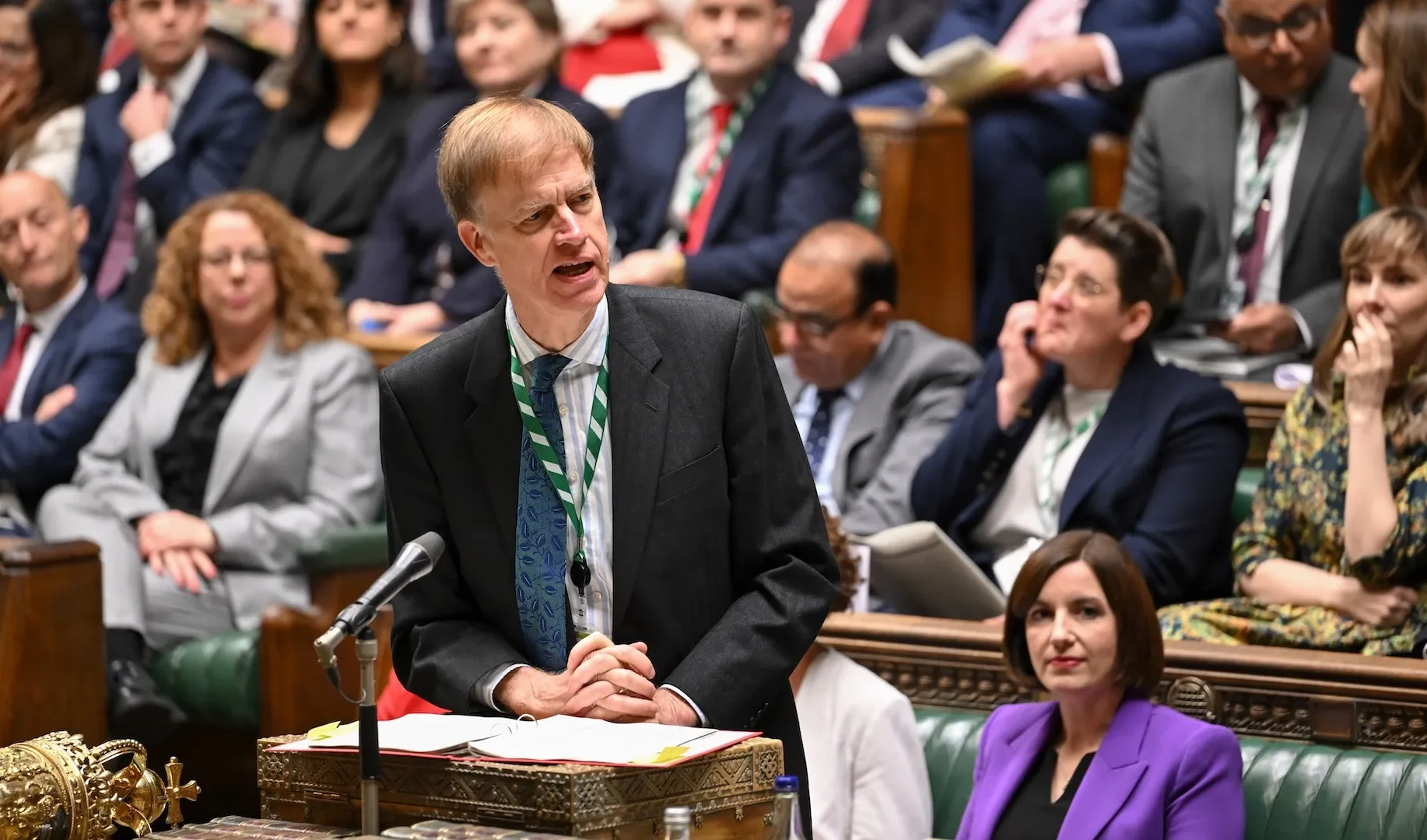









Timms Review Set to Redefine Future of UK Disability Benefits Amid Growing Debate Over Pip Reform
The UK government is preparing to publish the first findings of the Timms review into Personal Independence Payment (Pip), a major examination of the disability benefits system that could shape the future support available to millions of disabled people across England and Wales.
The review, led by Stephen Timms, the minister for social security and disability, was launched after the government abandoned proposed changes that would have reduced disability and sickness benefit spending by around £5bn a year. The plans faced strong opposition, including a rebellion from 126 Labour MPs, who argued that the changes could have removed vital support from hundreds of thousands of people with long-term physical and mental health conditions.
The Timms review aims to make Pip “fair and fit for the future” and was developed with input from disabled people, following a public consultation that received around 38,000 responses. An interim report is expected this week, with a full review due later in the autumn.
Pip currently supports around 3.9 million people in England and Wales, helping cover the additional costs associated with disability, including expenses linked to mobility, daily living, transport, heating, and essential care needs. The benefit is not means-tested and is separate from unemployment support, with payments based on individual assessments of a person’s circumstances.
The system has faced criticism from disability campaigners who argue that assessments can be complicated, stressful, and inconsistent. Advocacy groups have raised concerns that some claimants with fluctuating conditions, including certain physical illnesses and mental health conditions, struggle to receive the correct level of support. Many people who challenge assessment decisions at tribunals are successful, increasing pressure for changes to the process.
At the same time, rising Pip costs have fueled debate among politicians and policymakers. Government forecasts suggest annual spending on the benefit could increase significantly in the coming years, raising questions about long-term affordability and sustainability.
Although the review’s official purpose is not to identify spending cuts, some campaigners remain concerned that financial pressures could influence future reforms. They fear that changes introduced as part of a wider overhaul could reduce access to support for vulnerable people.
The review is expected to conclude that the current Pip system is not working effectively and requires major reform. Some campaigners have pointed to Scotland’s Adult Disability Payment system as a possible model, where applications rely more heavily on claimant information and medical evidence rather than routine face-to-face assessments.
The outcome of the Timms review could mark a major turning point for the UK’s disability benefits system, determining whether future reforms improve accessibility and fairness or create new concerns for millions of recipients who rely on Pip support.