




Putin and Netanyahu Engage in High-Stakes Talks to Stabilize Middle East
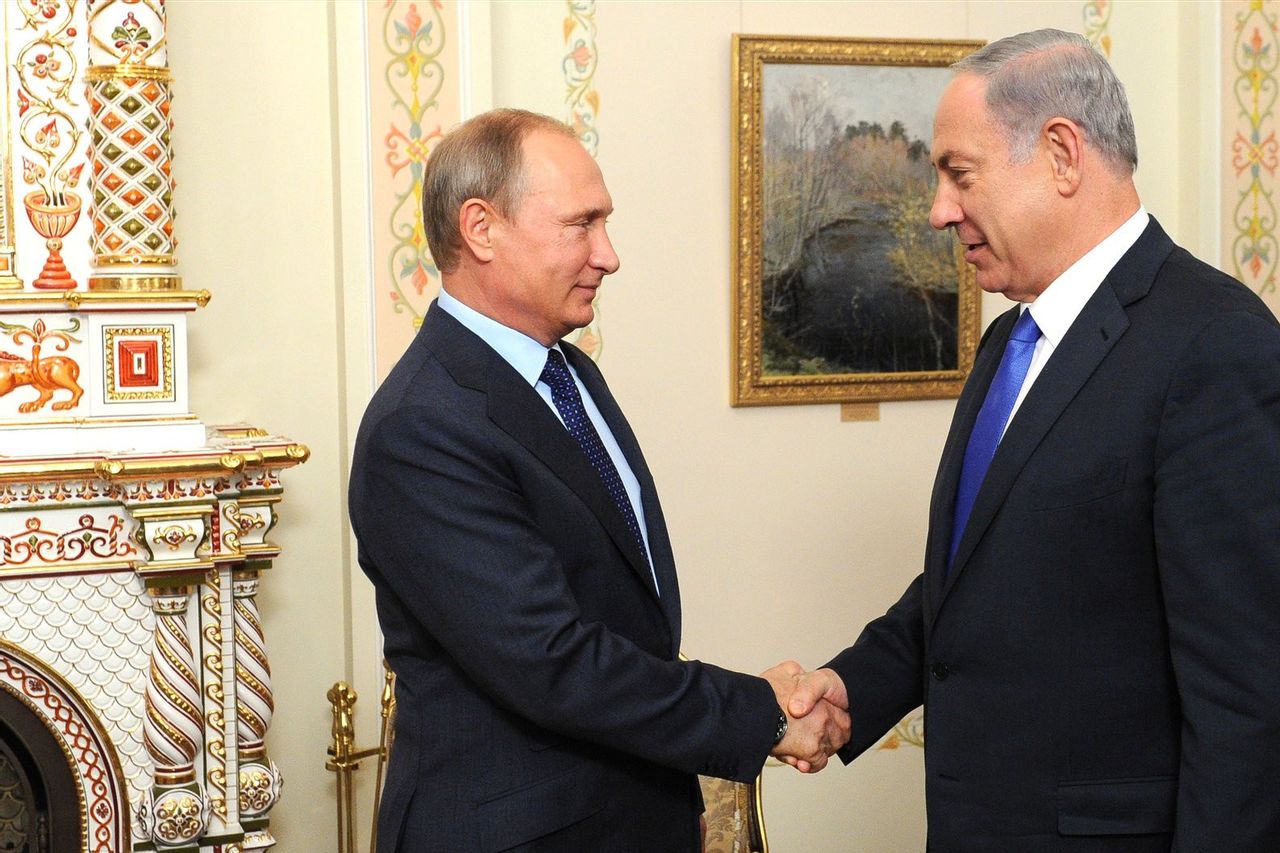
Russian President Vladimir Putin and Israeli Prime Minister Benjamin Netanyahu held urgent talks today to address rising tensions and security challenges across the Middle East. The high-level discussions focused on ongoing geopolitical pressures, regional conflicts, and potential diplomatic pathways to reduce the risk of escalation in a region long marked by volatility.
According to official statements, both leaders stressed the importance of dialogue and coordination in tackling pressing issues, including Iran’s growing influence, cross-border threats, and political instability in key regional states. Russia signaled its willingness to act as a mediator where possible, emphasizing the need for constructive engagement to prevent further deterioration of security and to safeguard the interests of all nations involved.
Netanyahu highlighted Israel’s concerns over regional security, particularly threats posed by militant organizations and hostile state actors. He reportedly urged closer international cooperation to prevent conflicts from spiraling out of control. Putin, in response, stressed Russia’s role as a stabilizing force in the region and offered to facilitate diplomatic channels between regional players to mitigate tensions.
Analysts see these talks as a strategic move by both Moscow and Jerusalem. For Israel, engagement with Russia provides a potential avenue to manage Iranian influence in neighboring territories, while Russia seeks to assert its diplomatic relevance and maintain stability in a volatile region critical to its geopolitical ambitions. The conversation underscores a delicate balancing act, as both countries aim to secure national interests while promoting broader regional stability.
The discussions come amid increasing international concern over Middle Eastern conflicts and the potential for broader geopolitical fallout. Observers note that proactive dialogue between major powers is vital to avoid miscalculations that could lead to military confrontations. By coordinating and exchanging perspectives, Putin and Netanyahu aim to create an environment conducive to diplomatic solutions rather than unilateral actions.
While no specific agreements were announced, the dialogue itself is being hailed as a positive step toward mitigating immediate risks and fostering cooperation on security matters. Experts suggest that sustained engagement between world leaders like Putin and Netanyahu may pave the way for more comprehensive multilateral initiatives, involving other key players in the region, to address long-standing tensions and conflicts.
As the Middle East continues to face complex political and security challenges, the talks between Russia and Israel signal a renewed focus on diplomacy and strategic coordination, highlighting the critical role of high-level dialogue in navigating one of the world’s most sensitive and volatile regions.