







Iran Strikes Near Israeli Nuclear Center as Trump Threatens Power Plant Attacks
Tensions in the Middle East escalated sharply as Iranian forces launched missile strikes near Dimona and Arad, areas close to Israel’s nuclear research facilities, while former U.S. President Donald Trump issued a stark warning that could broaden the conflict.
Iran’s missile assault targeted residential areas and infrastructure in southern Israel, causing injuries and significant damage. Israeli authorities said the missiles did not directly hit the Shimon Peres Negev Nuclear Research Center, but surrounding areas were affected, raising alarm over the safety of strategic sites. Emergency services worked through the night to treat casualties, remove debris, and restore critical services. Some residents were evacuated from nearby towns as a precaution against further attacks.
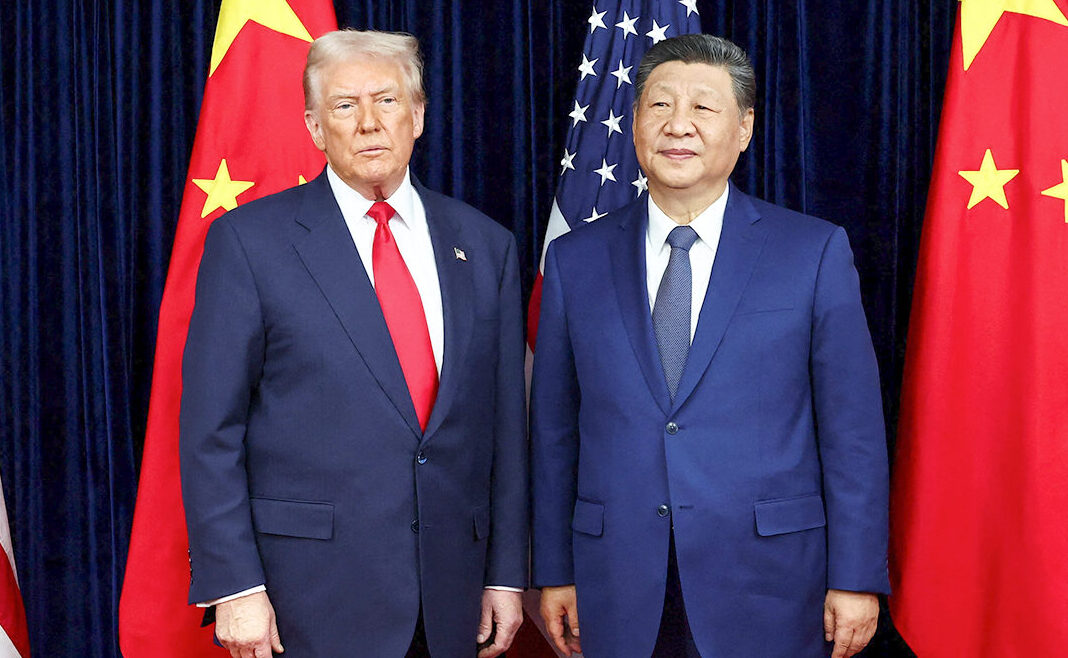
In response to the escalation, Trump issued a 48-hour ultimatum to Tehran, warning that the United States would begin targeting Iranian power plants if the Strait of Hormuz, a key global oil shipping route, was not reopened immediately. Trump stated that failure to comply could lead to the “obliteration” of Iran’s largest energy facilities, increasing fears of a broader military confrontation.
The closure of the Strait of Hormuz has disrupted oil and gas exports, pushing energy prices sharply higher and raising concerns about global supply. Analysts warn that continued threats and attacks could destabilize energy markets further and prolong economic uncertainty.
Iranian officials, for their part, vowed to retaliate against any attacks on their infrastructure. Tehran warned that strikes on power plants or other key facilities would prompt countermeasures against U.S. and allied targets throughout the region. The Iranian military has reportedly placed key installations on high alert as the standoff continues.
International leaders have called for restraint and diplomacy to prevent further escalation. The United Nations and regional organizations are monitoring the situation closely, urging both sides to avoid actions that could spark a full-scale conflict. Meanwhile, Israel has strengthened security measures around its critical infrastructure and deployed additional military units to southern regions.
The situation remains highly volatile, with both sides signaling that further strikes could be imminent. Observers warn that without immediate diplomatic intervention, the confrontation could spiral into a wider regional conflict, affecting not only the Middle East but also global trade and energy markets.