









UN Warns Global Sand Crisis Is Threatening Rivers, Coasts and Ecosystems
The United Nations has issued a fresh warning that the world’s growing demand for sand is rapidly outpacing sustainable supply, creating serious environmental risks for rivers, coastlines, and fragile ecosystems across the globe. According to UN experts, sand has become one of the most heavily exploited natural resources after water, driven largely by booming construction, urban expansion, and infrastructure development.
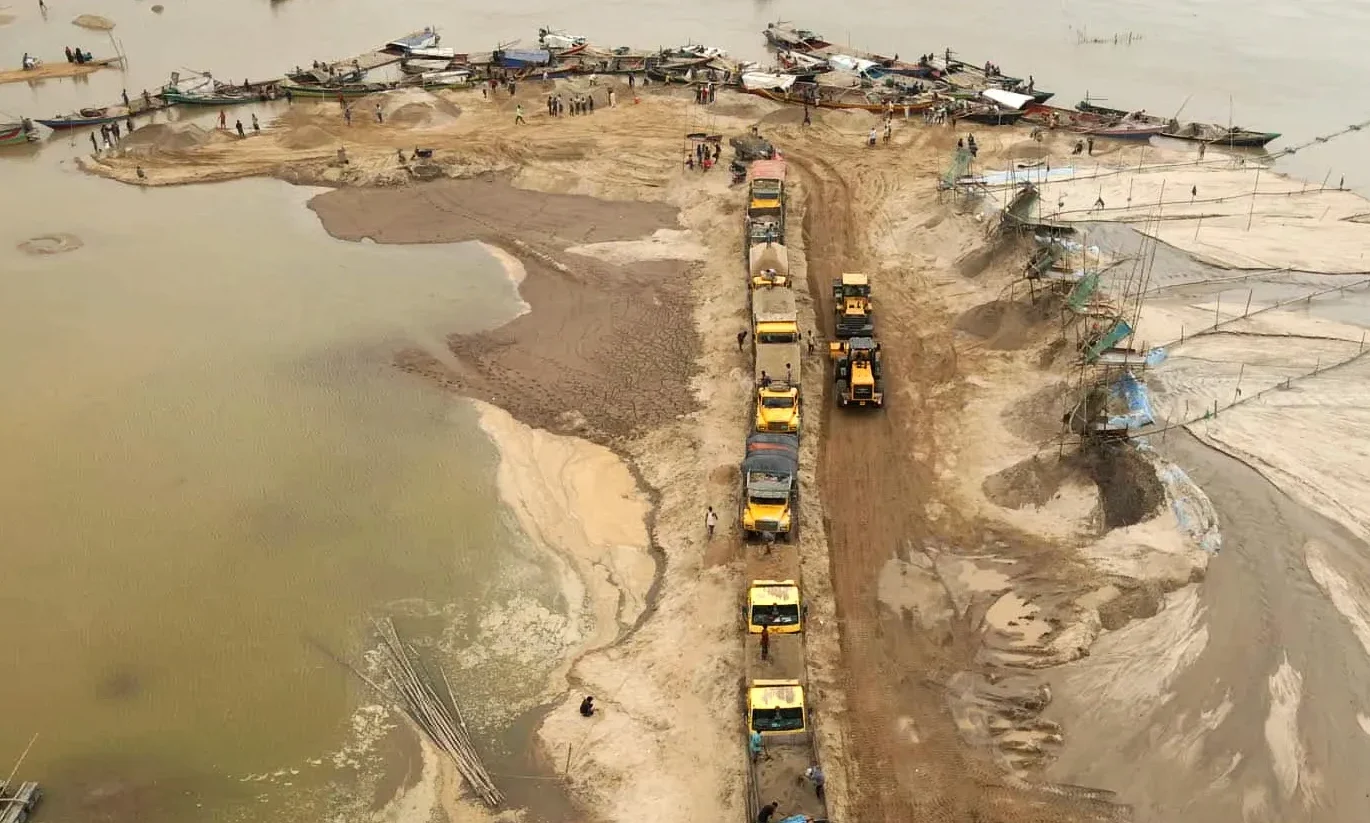
Sand is a key ingredient in concrete, glass, roads, electronics, and land reclamation projects, making it essential to modern economies. However, environmental agencies say uncontrolled extraction from rivers, beaches, and seabeds is causing widespread ecological damage, including erosion, habitat destruction, declining biodiversity, and increased flooding risks.
The UN warned that global demand for sand and gravel now reaches tens of billions of tons every year, fueled by rapid urbanization in developing and industrialized nations alike. Experts say many ecosystems are unable to recover from the pace of mining, especially in coastal and river regions already under pressure from climate change.
Environmental researchers noted that illegal sand mining has also become a growing problem in several countries, where weak regulation and high demand have created profitable black markets. In some areas, communities have reported collapsing riverbanks, disappearing beaches, and damage to fisheries that support local livelihoods.
The report calls for urgent international action to improve the monitoring and management of sand resources. UN officials are encouraging governments to adopt stricter environmental standards, promote recycling of construction materials, and invest in alternative building solutions that reduce dependence on natural sand extraction.
Scientists argue that the issue has long been overlooked despite sand’s central role in global development. While attention is often focused on oil, minerals, or deforestation, experts say unsustainable sand extraction is quietly reshaping landscapes and damaging ecosystems on a massive scale.
The UN also stressed that better urban planning and more efficient construction practices could help reduce future demand. Recycled materials, crushed rock, and innovative building technologies are increasingly being explored as sustainable alternatives.
As climate pressures intensify and cities continue expanding, environmental experts warn that balancing development needs with ecological protection will become increasingly critical. The UN says immediate cooperation between governments, industries, and environmental groups is necessary to prevent what could become a major global resource and environmental crisis in the coming decades.