








A Decade On, Donald Trump Returns to a Stronger and More Assertive China
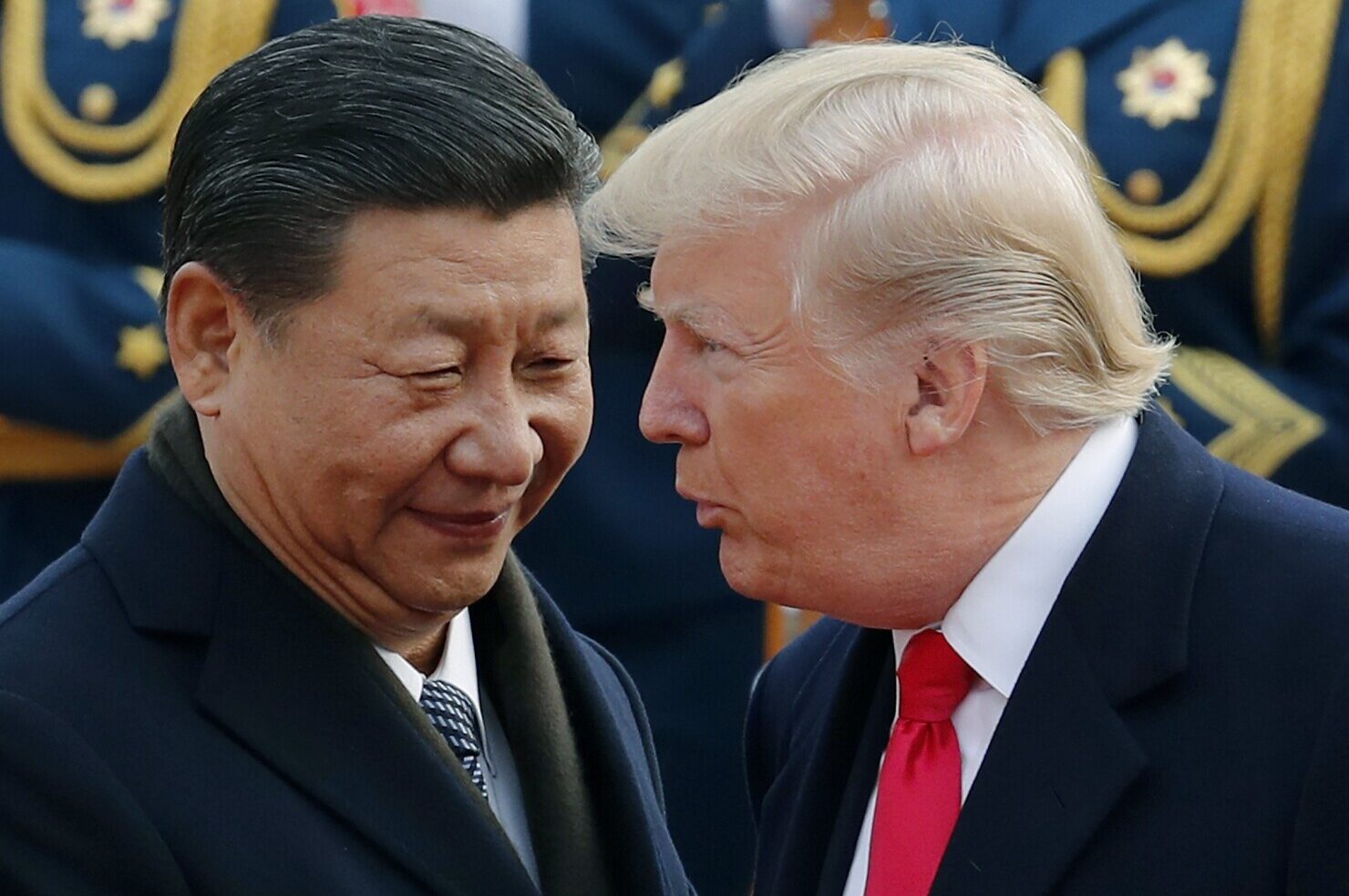
A decade after his earlier presidency reshaped global trade tensions, Donald Trump has returned to the political stage facing a dramatically transformed global order, with China now more economically resilient, technologically advanced, and diplomatically assertive than it was ten years ago.
In the years since Trump first escalated trade disputes and imposed sweeping tariffs, China has steadily expanded its global influence through industrial upgrading, supply chain diversification, and deepened ties across Asia, Africa, and parts of Europe. Under the leadership of Xi Jinping, Beijing has doubled down on long-term strategies aimed at reducing dependence on Western markets while strengthening domestic innovation and production capacity.
Analysts note that the balance of power in global trade and technology has shifted significantly. China’s dominance in electric vehicles, renewable energy supply chains, and critical minerals processing has grown, while its investment in artificial intelligence and advanced manufacturing has narrowed gaps with Western competitors. This evolution has made the geopolitical environment more complex for any U.S. administration seeking to reassert economic leverage.
Trump’s earlier tenure was marked by an aggressive approach to China, including tariffs, export restrictions, and efforts to relocate manufacturing supply chains back to the United States. However, the China he faces today is less vulnerable to external pressure, with broader trade partnerships and stronger internal consumption cushioning external shocks.
At the same time, tensions remain high over issues such as Taiwan, technology export controls, and maritime disputes in the South China Sea. Both Washington and Beijing continue to view strategic competition as a defining feature of the international system, even as economic interdependence persists in key sectors.
Observers suggest that any renewed confrontation between Trump and China would unfold in a far more multipolar world than the one he previously navigated. Unlike a decade ago, when globalization strongly favored Western-led supply chains, today’s environment is shaped by fragmented trade blocs and competing technological ecosystems.
As Trump re-enters the global stage, the central question is no longer whether China is rising, but how both powers will manage competition without destabilizing an already fragile global economy.