









Is a Super El Niño on the Horizon? Scientists Monitor Potential Weather Shift
Climate experts are closely watching the Pacific Ocean as signs point to the possible development of a significant El Niño event later in 2026. Some forecasts suggest it could be particularly strong, raising concerns about potential impacts on global weather patterns.
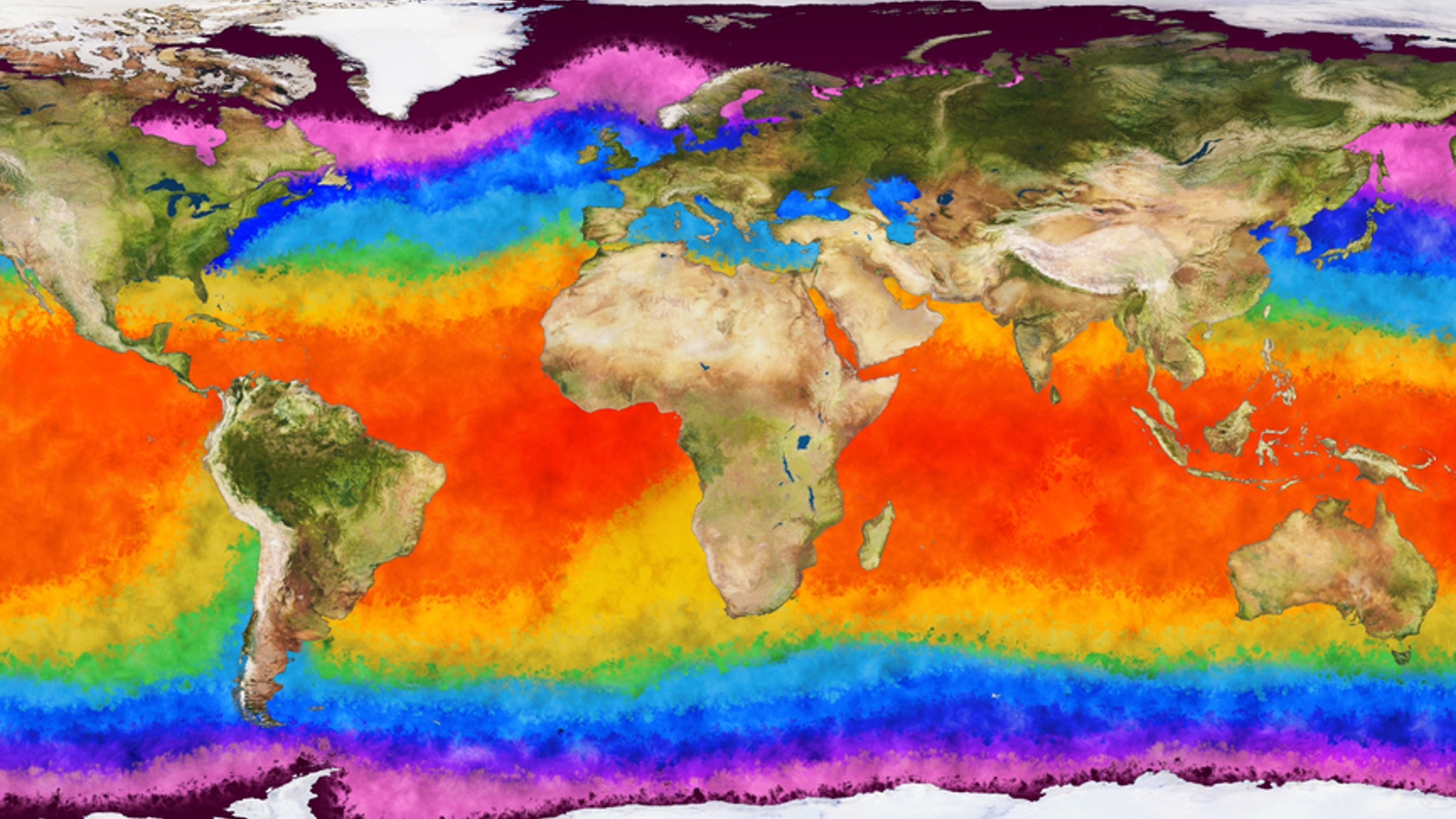
El Niño is a natural climate phenomenon characterized by unusually warm sea surface temperatures in the central and eastern Pacific Ocean. These changes can disrupt typical weather patterns worldwide, bringing heavier rains to some regions and droughts or heatwaves to others. Strong El Niño events have historically caused notable extremes, such as the 1997‑98 episode, which led to floods, wildfires, and record high temperatures across several continents.
Current observations show that the La Niña conditions, which have cooled the Pacific for the past few years, are weakening. Climate models indicate a high likelihood of a transition to El Niño by mid-2026. According to recent forecasts, there is a 60 to 70 percent chance that El Niño conditions will emerge between June and August, replacing the neutral phase.
While scientists caution that it is too early to predict the exact strength, some models suggest the possibility of a particularly powerful event, sometimes referred to as a “super El Niño.” If this occurs, global average temperatures could rise sharply, while extreme weather events such as floods, droughts, and stronger storms may become more frequent in vulnerable regions.
Experts emphasize that long-term climate forecasting carries uncertainty. The strength and impact of an El Niño event depend on multiple factors, including the speed of ocean warming and atmospheric responses over the coming months. Nevertheless, governments, farmers, and disaster management agencies are already monitoring conditions to prepare for potential disruptions.
Forecasters stress the importance of staying informed and taking early action, particularly in regions historically affected by El Niño. As scientists continue to track ocean temperatures and wind patterns, communities worldwide are being urged to plan for possible weather extremes in the second half of 2026.
While the precise outcome remains uncertain, the prospect of a strong or even super El Niño underscores the importance of understanding climate patterns and their potential effects on daily life, agriculture, and disaster readiness.