






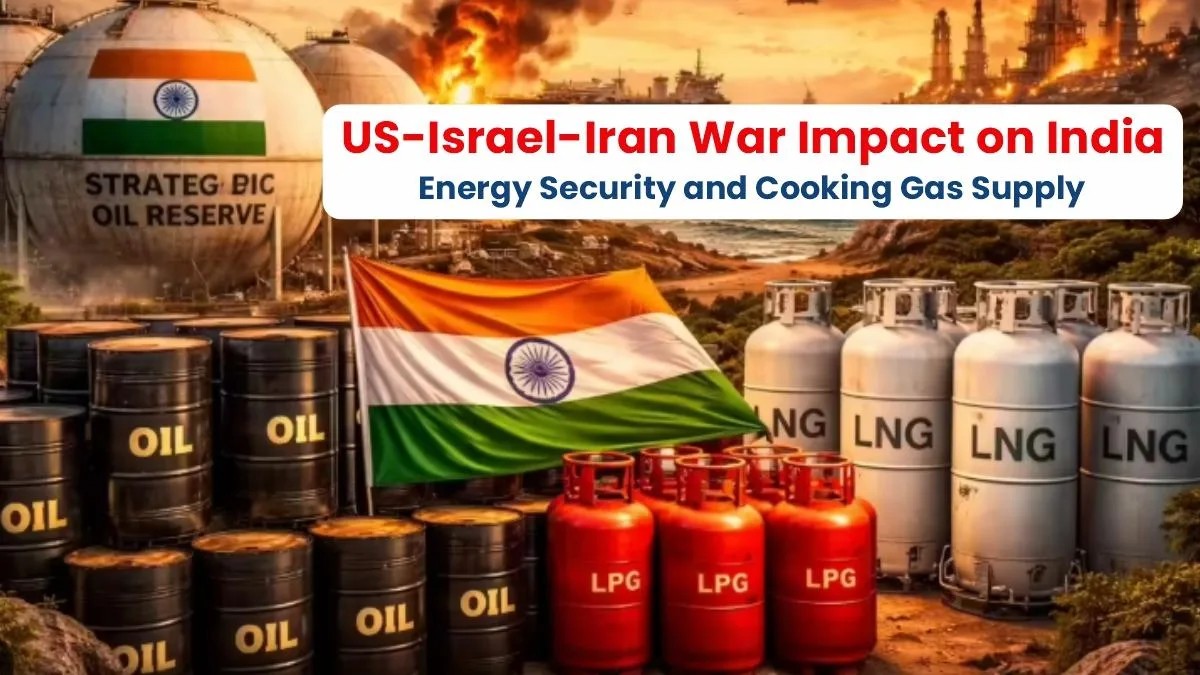
US-Israeli War on Iran Strains Food, Water and Fuel Prices in India
The ongoing conflict between the United States, Israel, and Iran is creating ripple effects that are being felt in India, where households are seeing rising prices for fuel, food, and even water.
The war has disrupted major energy supply routes, including shipments passing through the Strait of Hormuz, a key corridor for crude oil. This has driven up global oil prices, pushing fuel costs higher across Asia, including India. Refiners are now paying a premium for crude, which is being reflected in higher prices at petrol pumps and for liquefied petroleum gas used in households.
Rising fuel costs are affecting more than just transportation. Higher prices for diesel and petrol are increasing the cost of moving goods, including food and essential supplies. Farmers and transport operators are passing on these costs, contributing to higher prices for vegetables, grains, and other staples. Experts warn that if the conflict continues, inflation in India could remain elevated for months.
Water supply in parts of northern India is also being affected. Many communities rely on diesel-powered pumps and tanker deliveries, and the surge in fuel costs has made water distribution more expensive. In some areas, households are seeing higher charges for tanker deliveries when municipal water supplies are limited.
India has remained officially neutral in the conflict, but analysts say the situation highlights the country’s vulnerability as a major importer of crude oil. Around 80–85 percent of India’s energy needs come from imported oil, making global supply disruptions a significant concern for both industry and consumers.
Consumer advocates are urging the government to consider temporary subsidies or targeted relief measures for essential commodities. These could help cushion the impact on low- and middle-income households, which are being hit hardest by the rising costs of food, fuel, and water.
As the war continues, ordinary Indians are bracing for continued price pressures. While the long-term effects remain uncertain, economists stress that the combination of geopolitical tensions and global energy market volatility is likely to keep essential costs elevated in the coming months.